



5 stars reviews

Happy Clients: 460+ - Projects: 720+

House Extensions Dublin

House extensions in Dublin from €40,000, usually without planning permission up to 45 m² at the rear and 12 to 16 weeks on site.

Free Quote
Client photos

460+ Happy homeowners

Complete home extensions tailored to your dreams

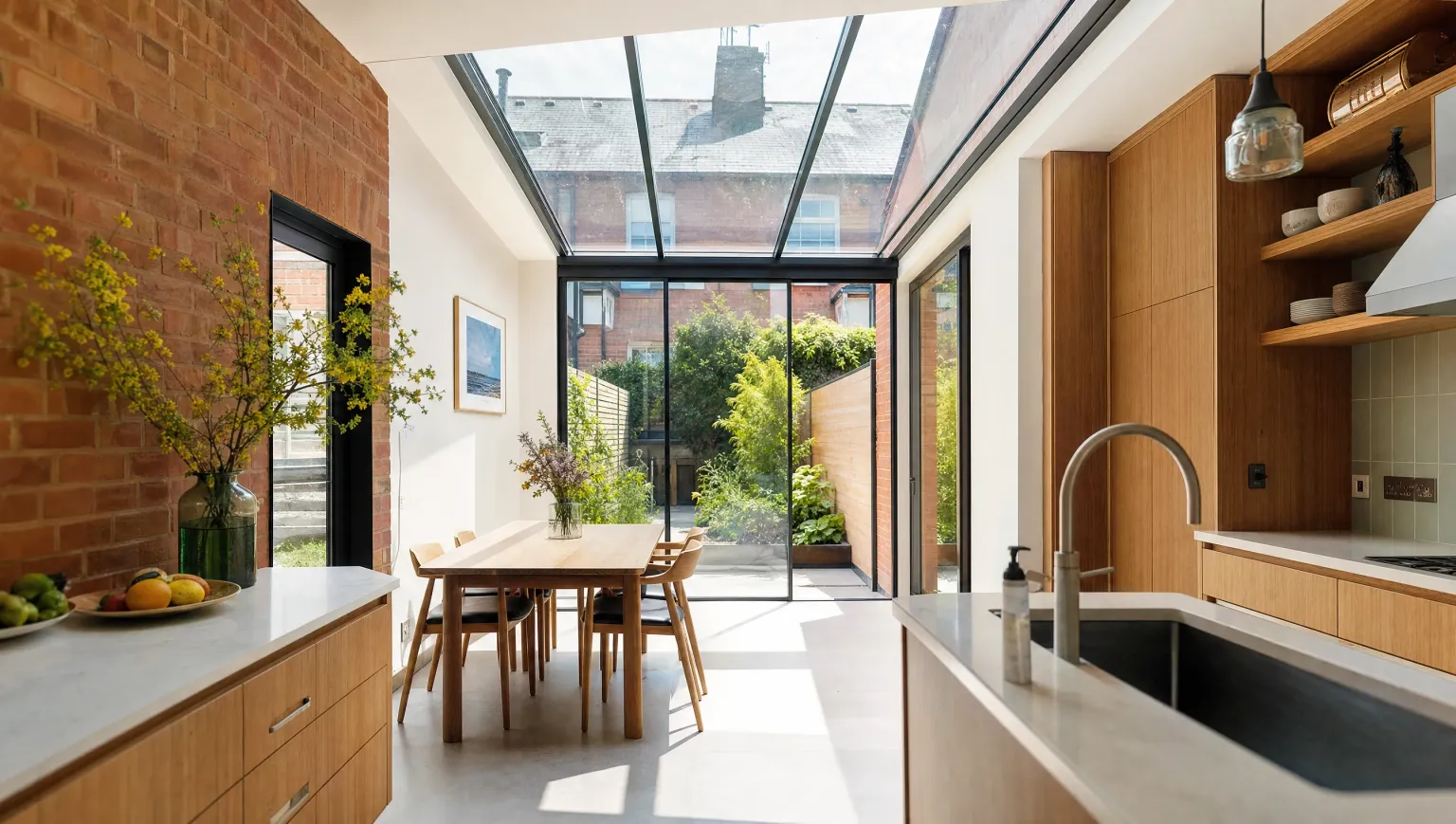
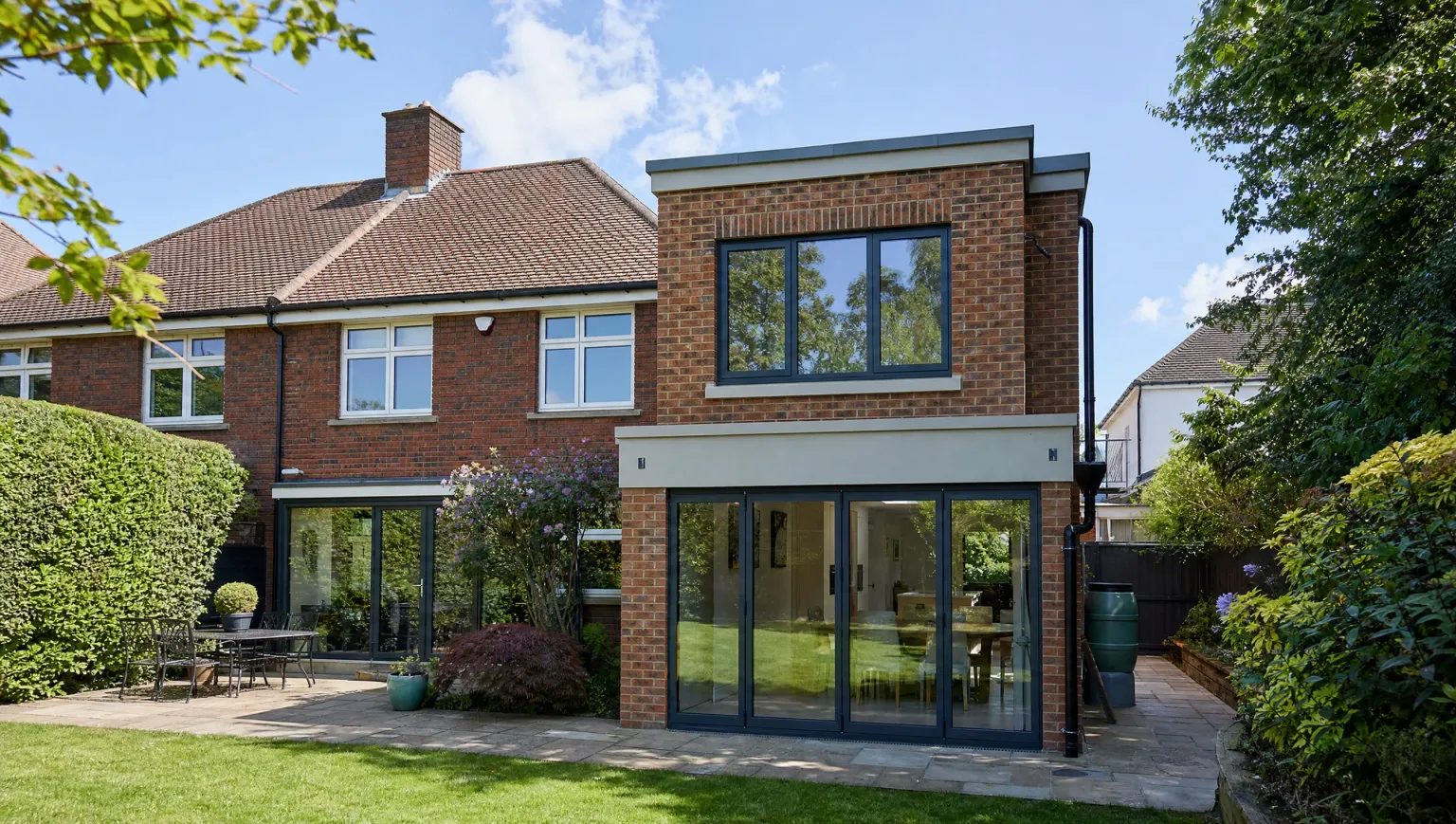
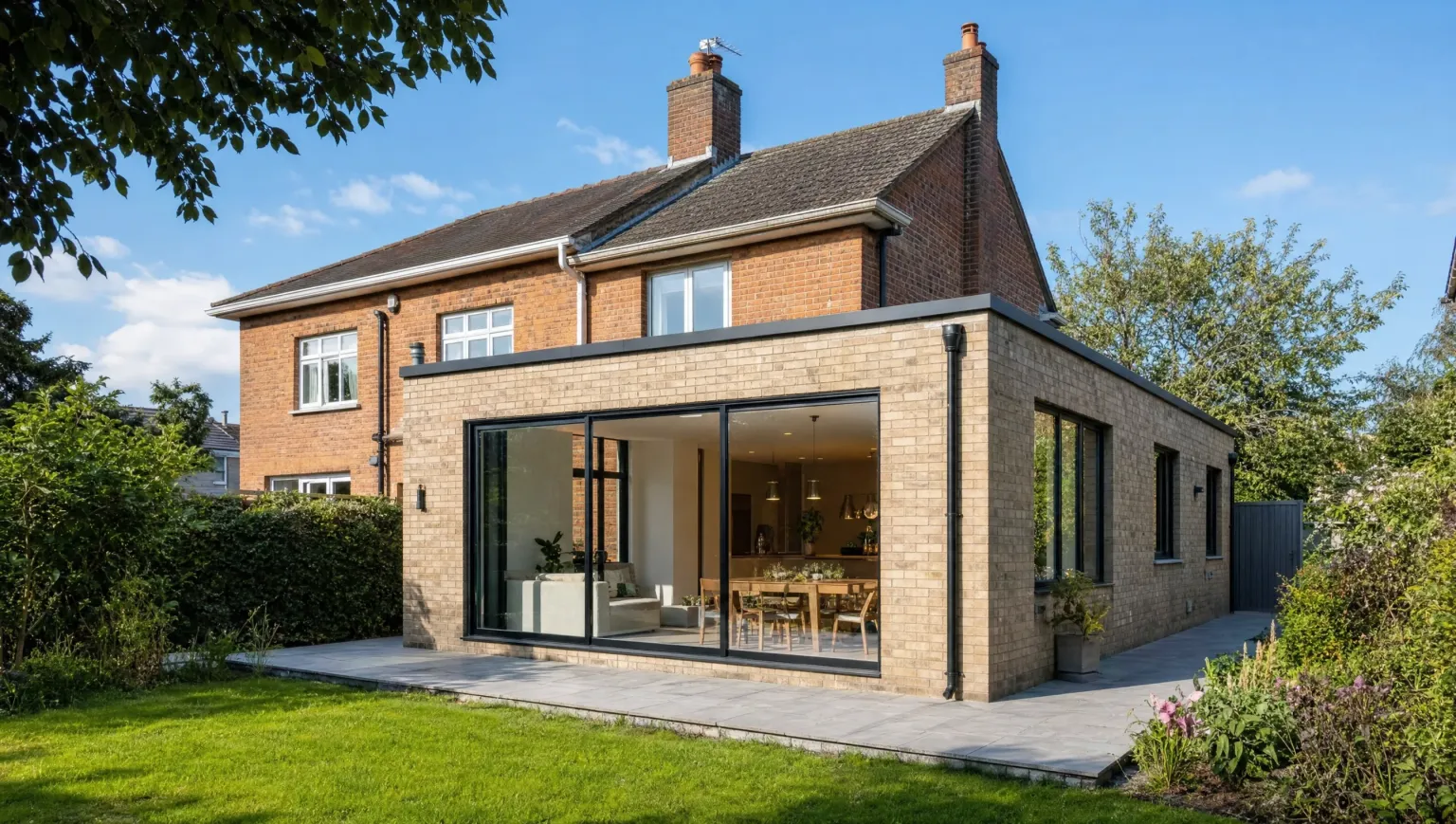
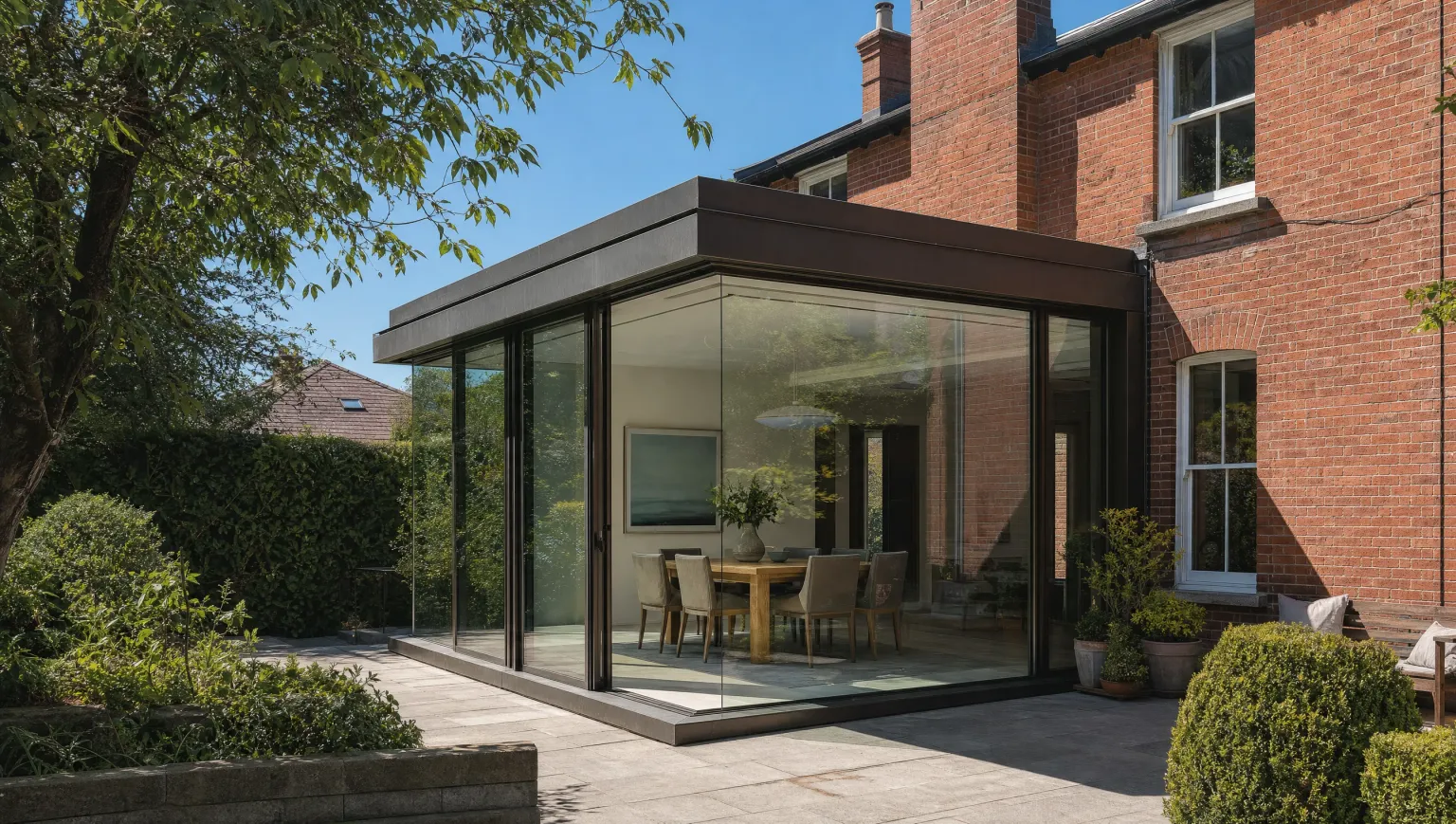
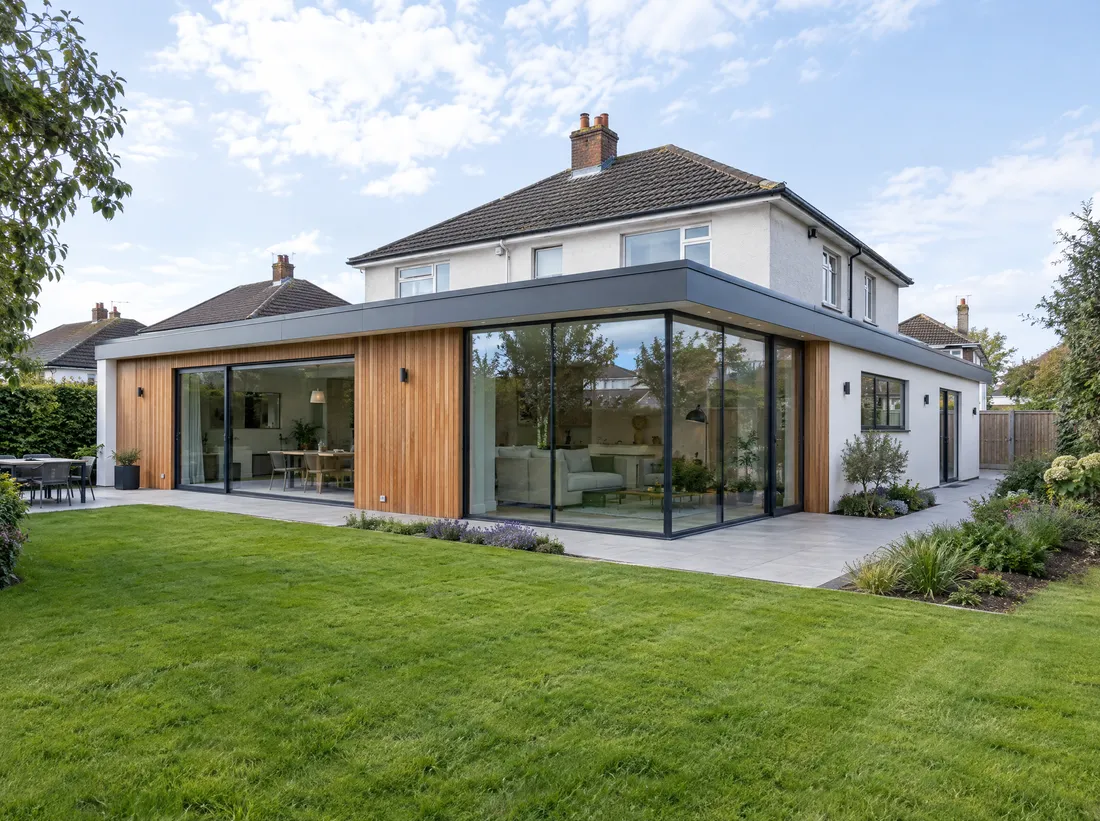
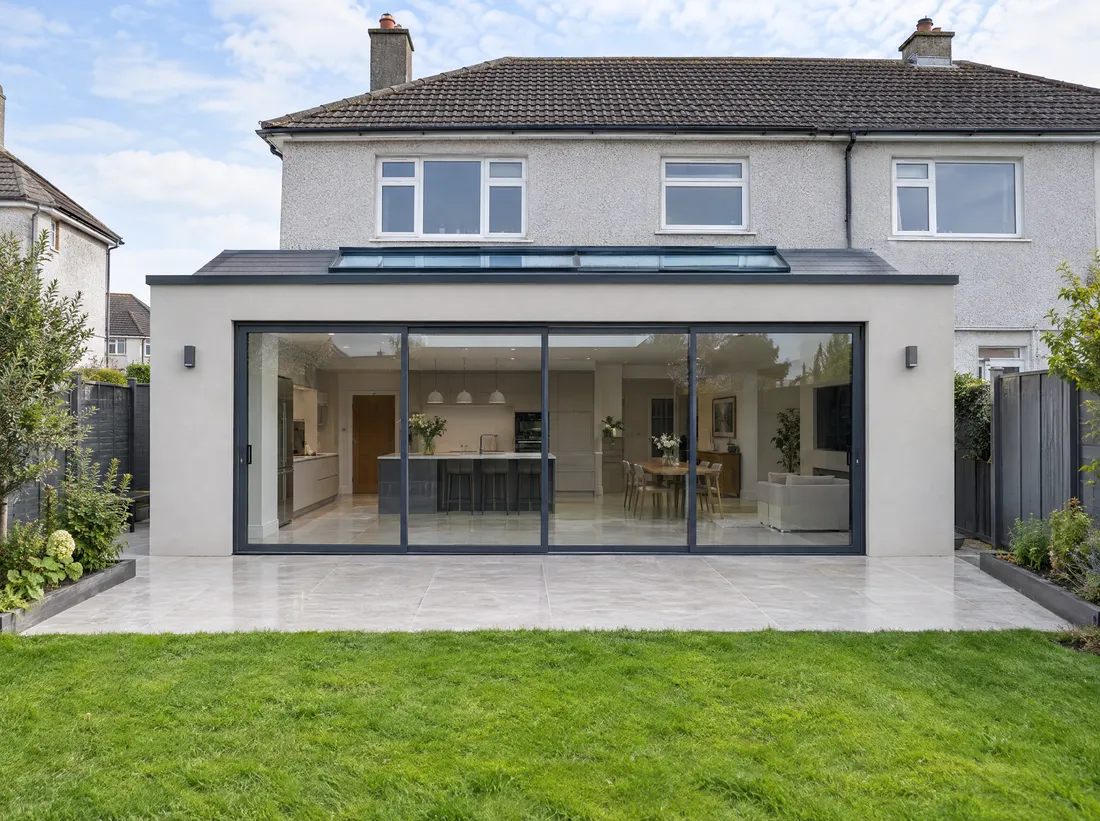
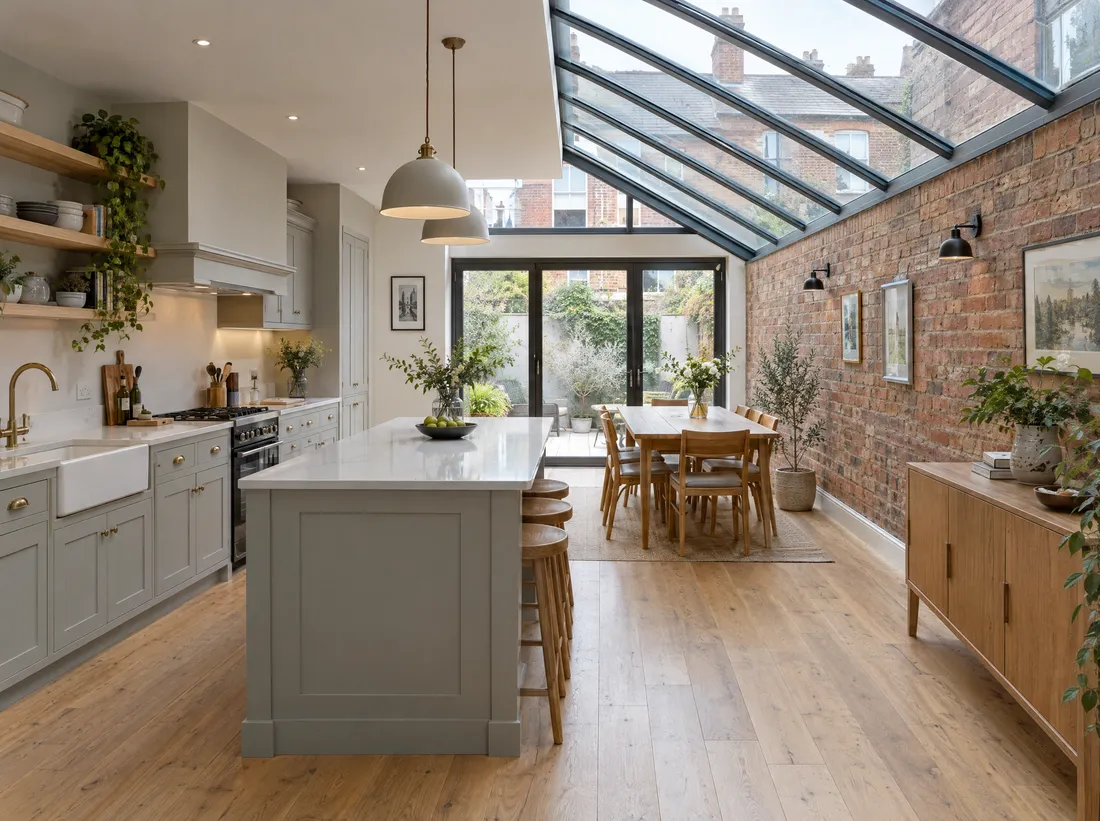
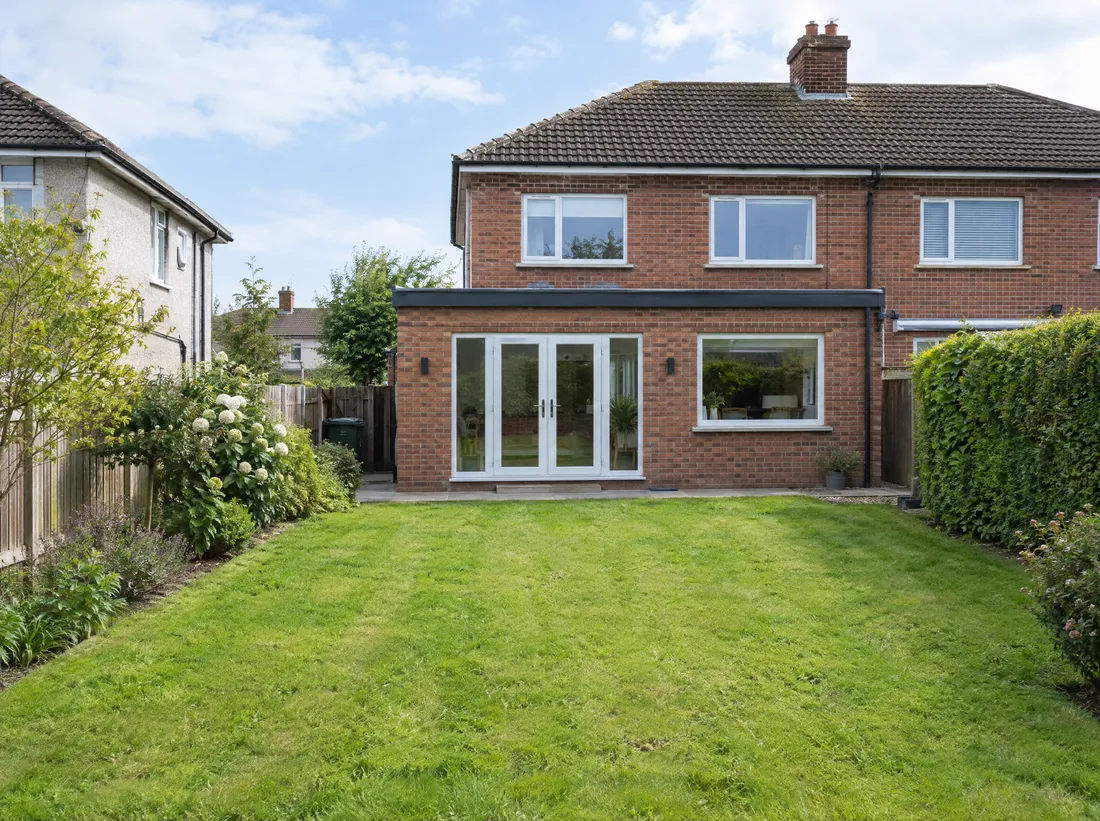
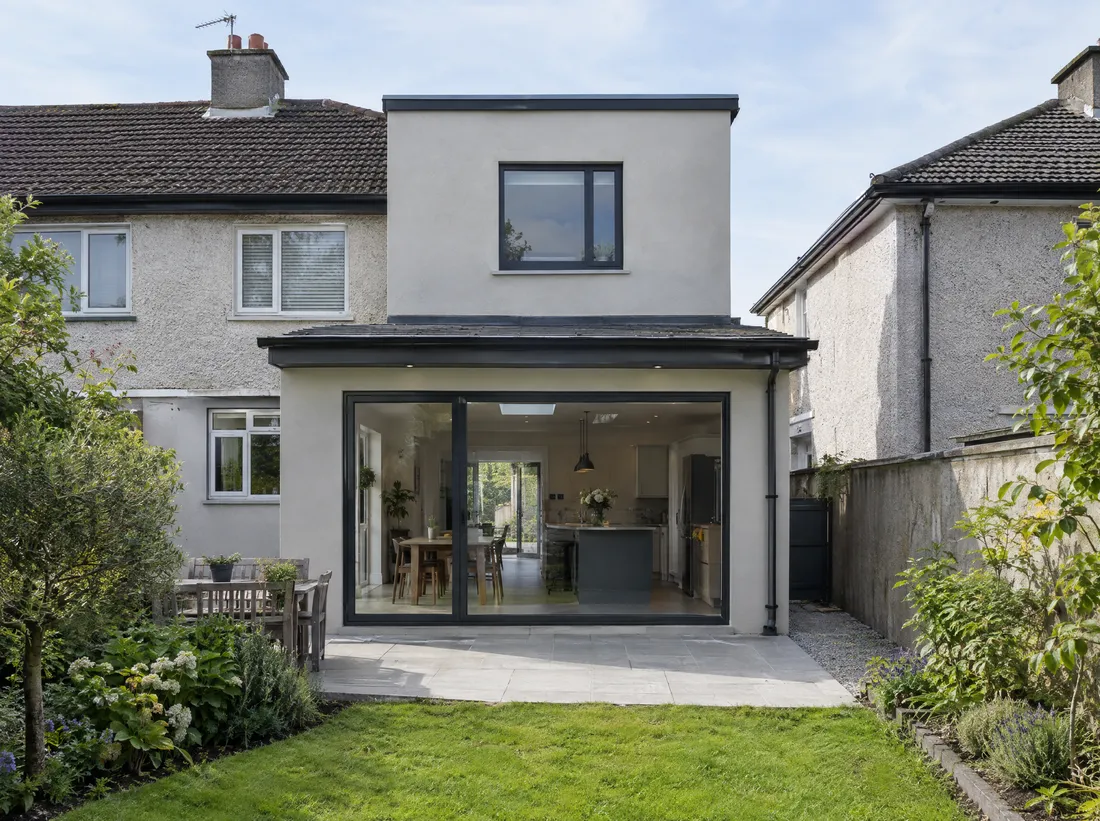
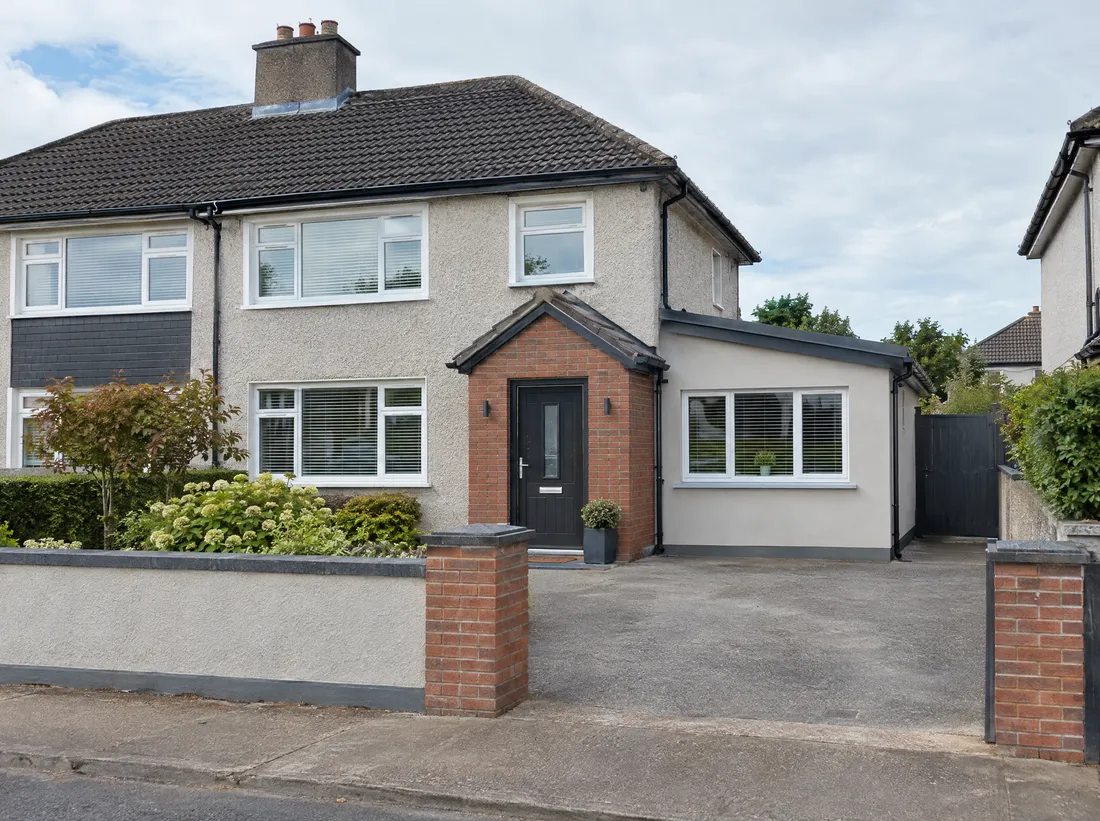
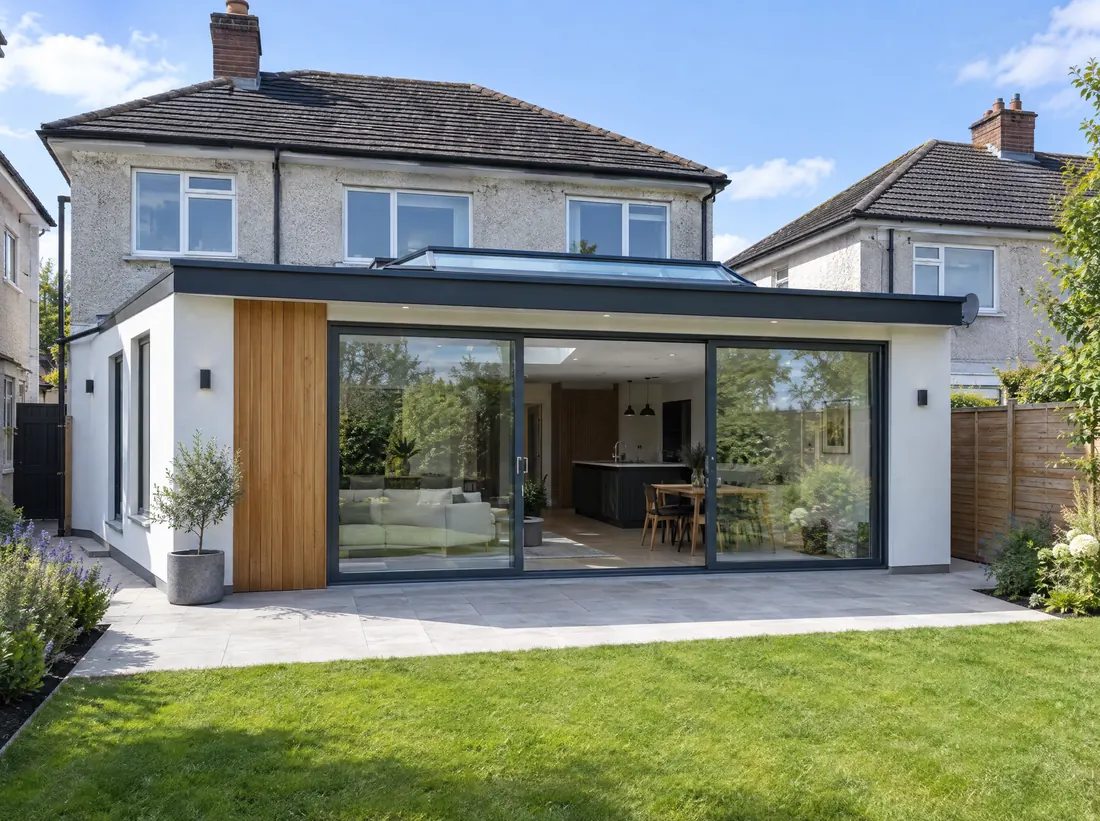
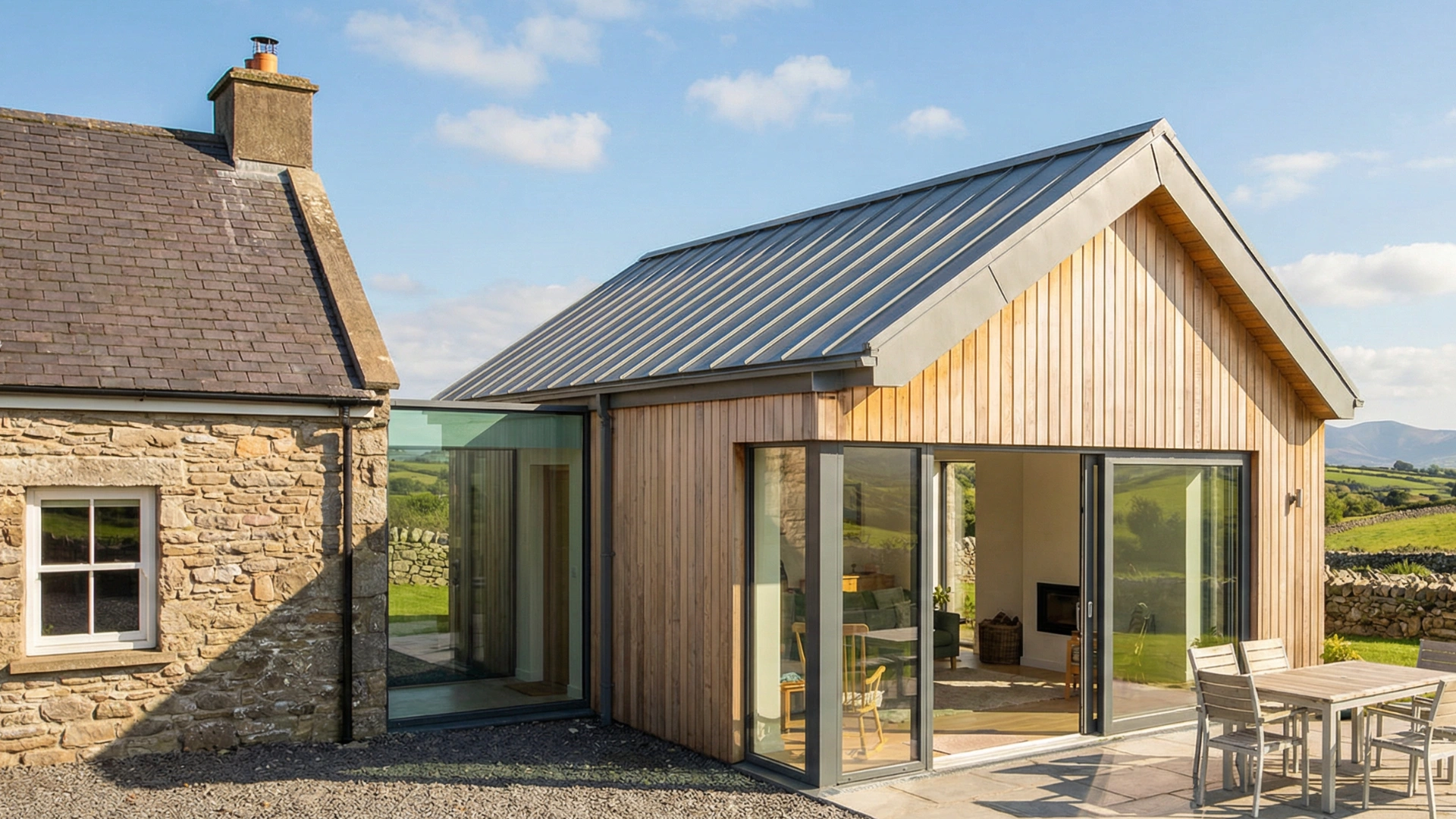
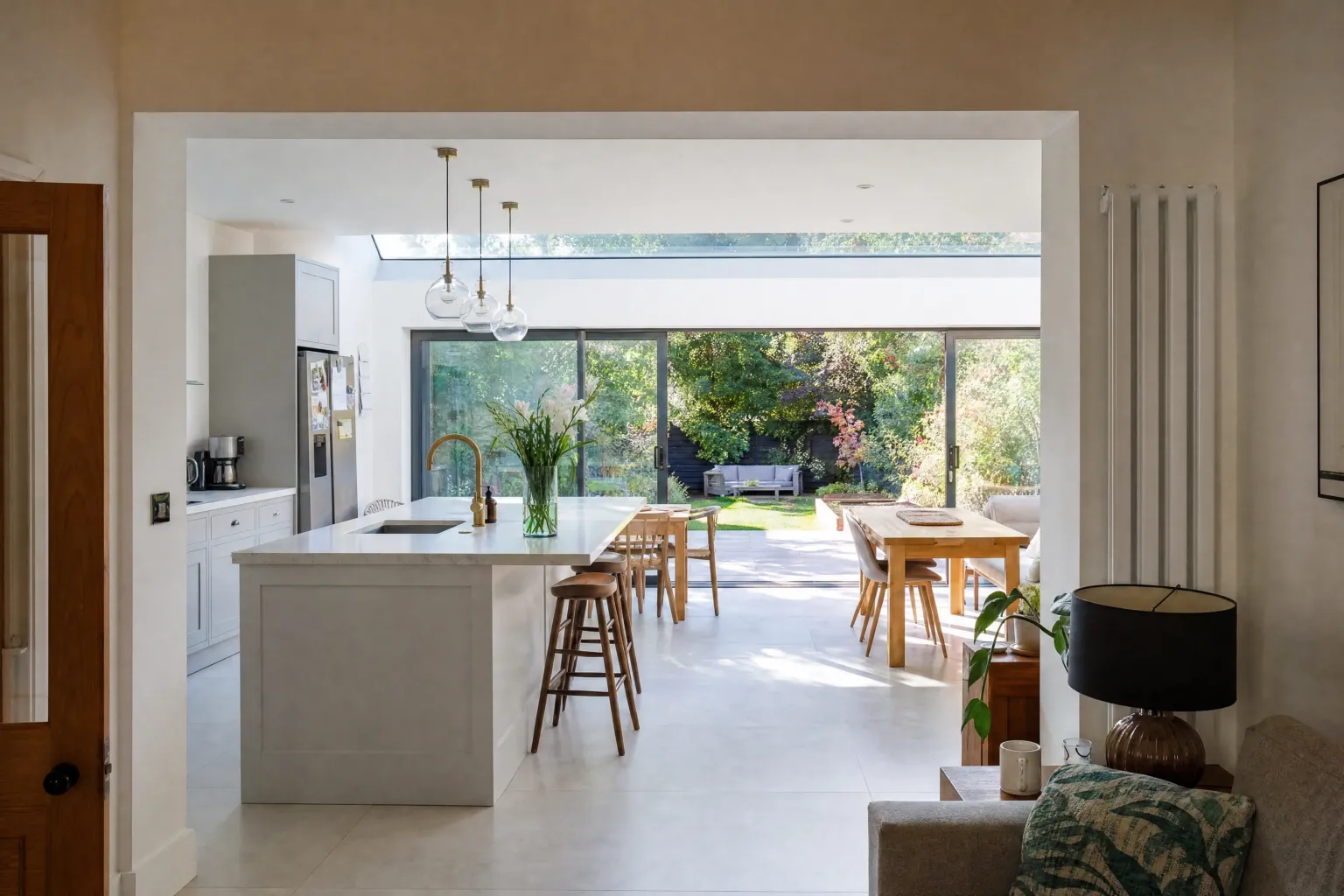
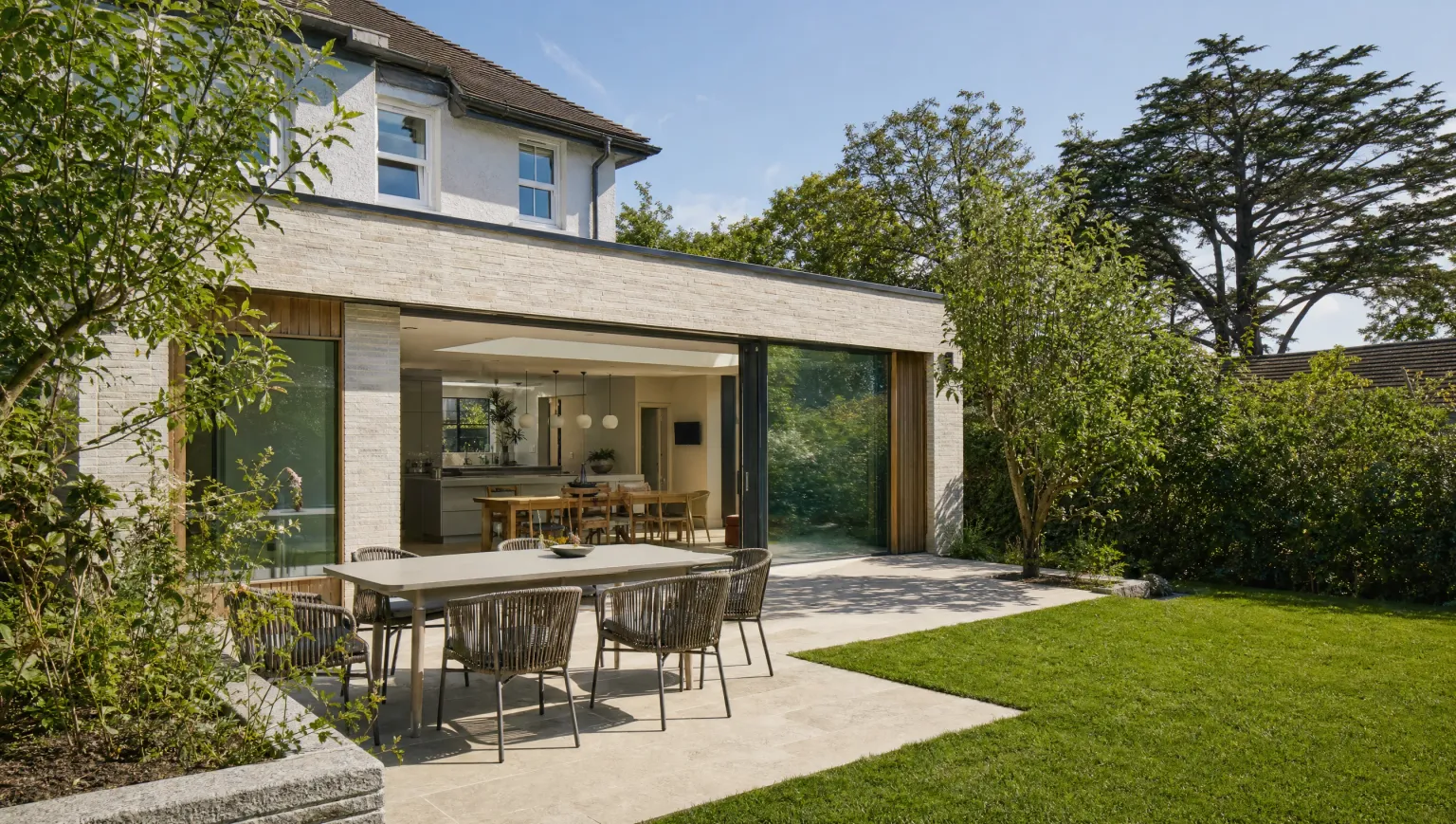
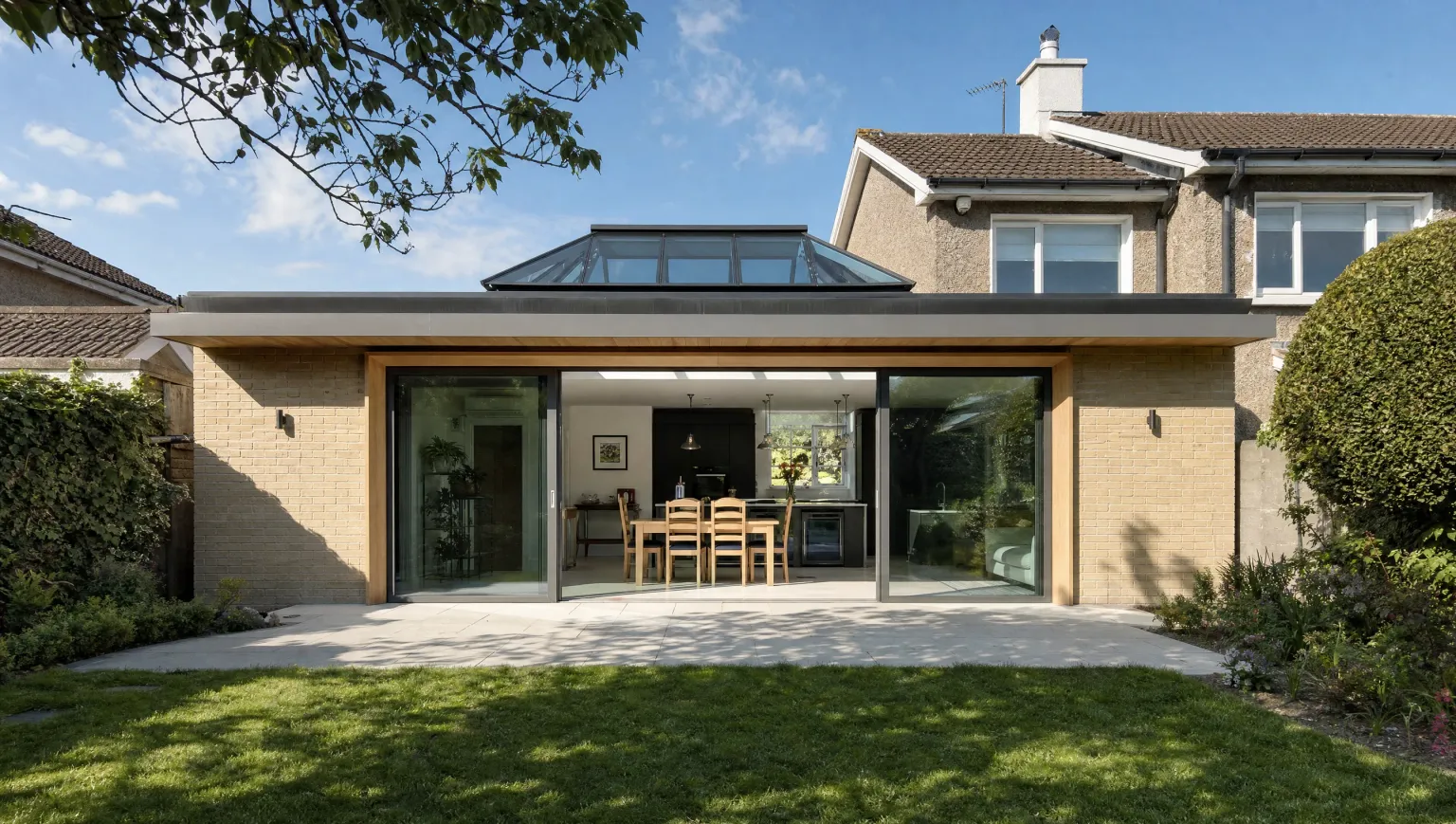
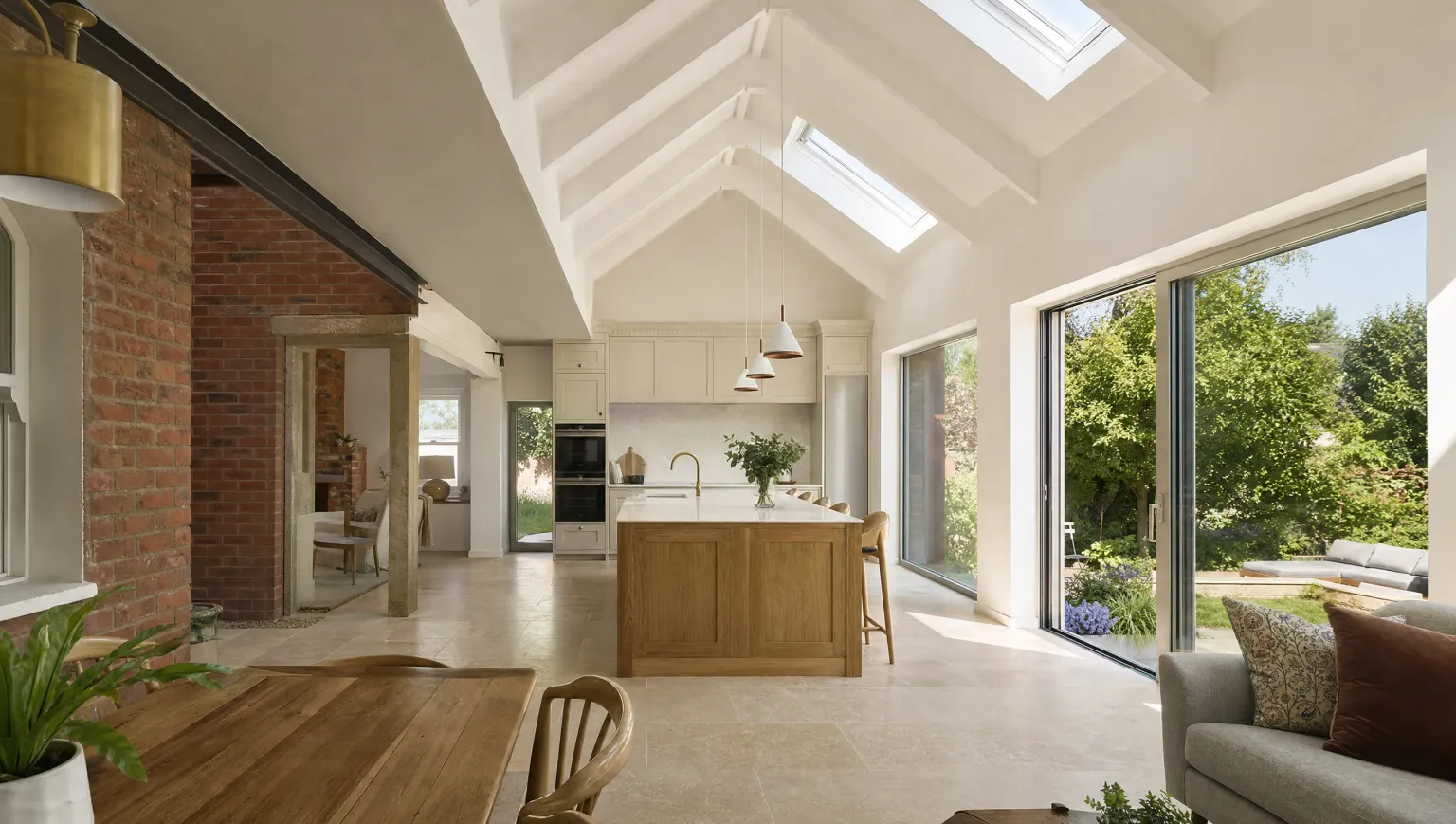
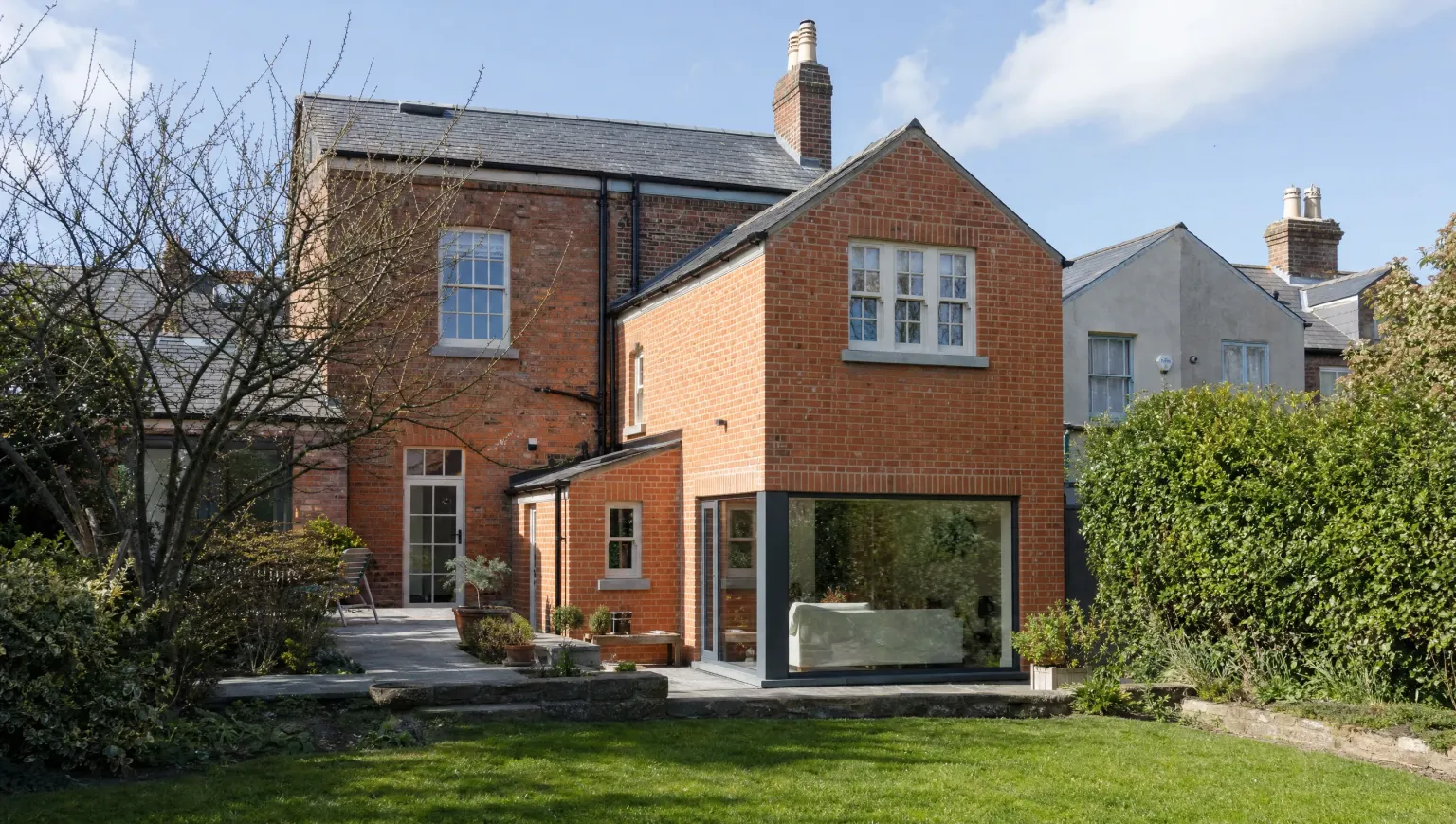
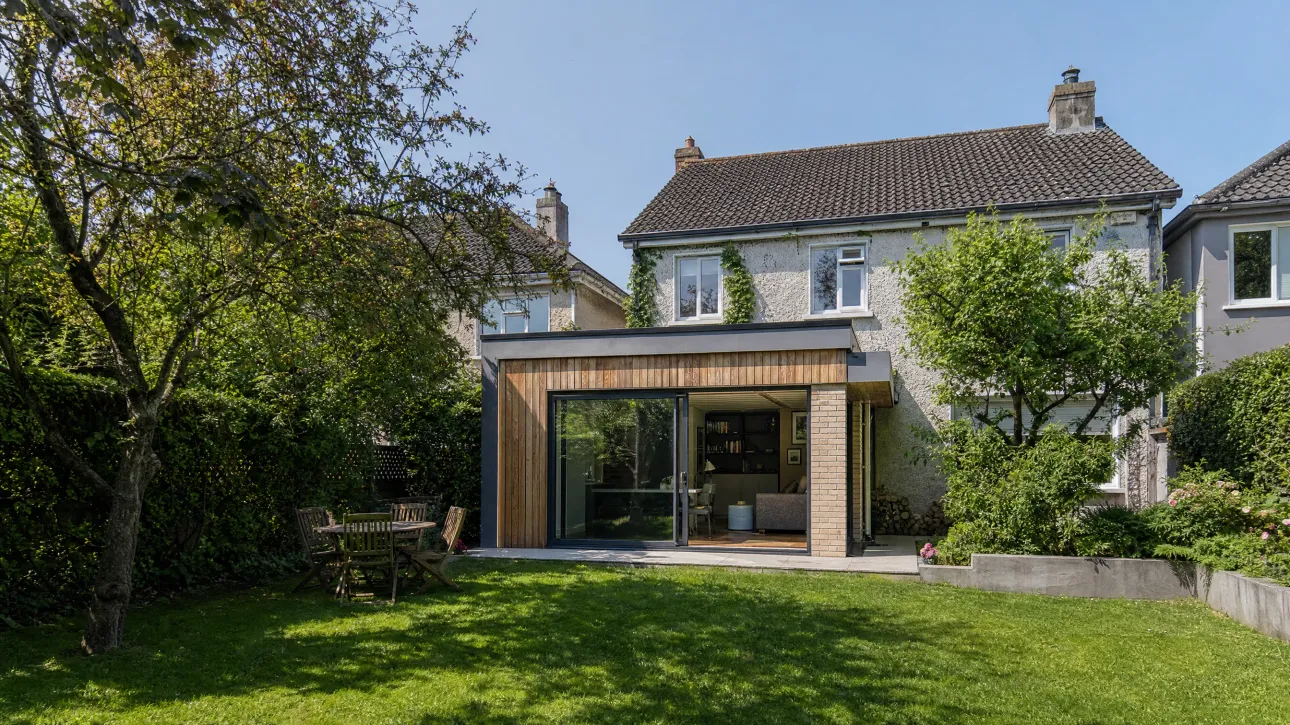
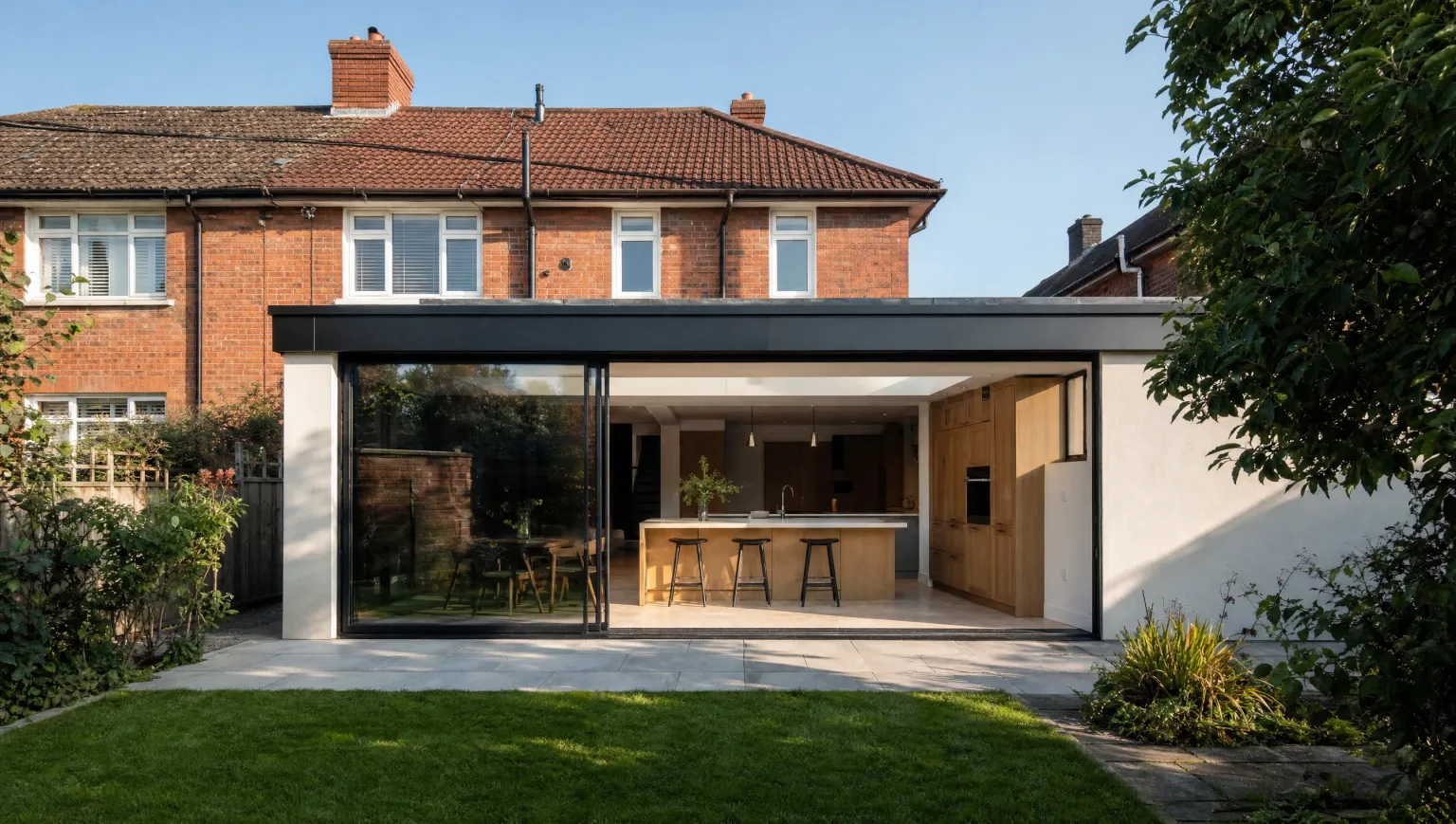
Build Me builds house extensions across Dublin, most often a bright single-storey kitchen-diner across the back. Two-storey, side return, wrap-around or glazed, we take it from the planning check and the engineer to the roof, the kitchen and the paperwork for your records.

Exempt to 45 m²
Exempt to 45 m²
Single-storey at the rear, 2026 rules
12 to 16 weeks
12 to 16 weeks
On site, for a single-storey extension
Block built
Block built
Traditional block, solid and built to last
What you can build

Types of house extension
and what they cost

Prices are build costs in Dublin at standard finish, including VAT at 13.5%. Professional fees, a 15% contingency and a new kitchen are extra.

Why homeowners love working with us

Customer service

In an industry known for missed calls and vague promises, we pride ourselves on great communication and quick responses.

Liability insurance

We're fully insured for your peace of mind, protecting your property throughout every stage of the work.

Superior equipment

We invest in top tier tools and equipment to achieve precise finishes, professional craftsmanship and lasting results.

Dedicated specialists

Each phase of your project is led by dedicated specialists who excel in their specific area of expertise.

Estimate your extension

Pick the type of extension and its floor area. Under 40 m², fixed costs can push the price above the per m² rate, and the full calculator allows for that.

Extension type

Floor area

Estimated cost, incl. VAT

€54,000 to €68,000

Single-storey rear extension of about 20 m² in Dublin, standard finish, build cost before fees and contingency.

What the build involves

01

Foundations and groundworks

Every extension starts with new strip or raft foundations, drainage diverted around the footprint and a slab laid to meet the level of the house. In older Dublin houses, especially pre-1960s terraces and semis, the existing footings are often shallow, so an engineer checks them before the price is fixed.

02

Opening up the back of the house

Knocking through to the new room means steel beams (RSJs) to carry the walls above. Each one costs about €800 to €2,500 depending on span, and most open-plan kitchen extensions need two to four. Our structural engineer sizes every beam and signs it off.

03

Flat roof, pitched roof or rooflights

A flat roof keeps a low, clean line and, under the exemption, must sit no higher than the eaves or parapet. A pitched roof can match the house but must stay below its highest point. Rooflights and roof lanterns bring daylight into a deep kitchen, and a glass rooflight adds more to the price than a solid roof.

04

Insulation and energy performance

Walls, floor and roof are insulated to Part L of the building regulations, so the new room is as warm as a new build. Large areas of glazing have to be balanced by better insulation elsewhere, which we plan at design stage rather than on site.

05

Heating, electrics, kitchen and finishes

Radiators or underfloor heating, new lighting and sockets by a registered electrician, then plastering, flooring and decorating. A new kitchen in a kitchen extension adds €15,000 to €40,000, and a new bathroom about €7,000 to €13,000 in Dublin.

06

Building regulations and your compliance file

Exempt from planning does not mean exempt from the building regulations. We keep an engineer's certificate of compliance, product certificates and photos of the build-up before it is covered, because a buyer's solicitor will ask for them when you sell.

Semi-detached, terraced or detached and what changes with each

A semi-detached house, the usual rear extension

A semi-detached house, the usual rear extension

Most Dublin projects add 20 to 30 m² across the back of a semi, well inside the 45 m² exemption. A first floor over it is exempt only up to 12 m², smaller than most bedrooms, so a two-storey plan usually goes for planning permission.

  • Usually 20 to 30 m²
  • First floor exempt to 12 m²
  • Side passage option
A terraced house, a side return or a rear kitchen

A terraced house, a side return or a rear kitchen

A side return fills the narrow passage beside the rear return to turn a galley kitchen into a wide kitchen-diner. Materials and skips often have to come through the house, which is one reason terraced builds sit higher in the price range.

  • Side return or rear
  • Access through the house
  • First floor exempt to 12 m²
A detached house, room for a bigger plan

A detached house, room for a bigger plan

More space around the house means a side or wrap-around extension is possible, though both usually need planning permission. Upstairs, the exemption allows a first floor of up to 20 m² instead of 12 m².

  • Side or wrap-around
  • First floor exempt to 20 m²
  • Planning for side work
Planning

Do you need planning permission for a house extension? Usually not, for a single-storey rear extension.

Since 27 July 2026, a rear extension of up to 45 m² is exempted development under Class 1 of the Planning Regulations, as long as it meets the garden, height and boundary rules.

  • Single-storey rear extensionUsually exempt

    Single-storey rear extension

    Up to 45 m² in total, with 25 m² of garden left.

  • Two-storey rear extensionCheck first

    Two-storey rear extension

    First floor capped at 12 m² (semi-D) or 20 m² (detached).

  • Front or side extensionNeeds permission

    Front or side extension

    Class 1 covers the rear only; a porch up to 2 m² is the exception.

How the 45 m² allowance works

It is a total, not a fresh allowance: every extension built since 1 October 1964 counts, including a converted garage.

Example: a 15 m² kitchen added in the 1990s plus a new 25 m² rear extension uses 40 of the 45 m². You must also keep 25 m² of garden.

Building regulations: structure, energy and fire safety

They apply in full even when planning permission does not.

  • StructureFoundations and steel beams designed and signed off by an engineer.
  • Energy (Part L)Insulated walls, floor and roof, with glazing balanced against them.
  • Fire safety and ventilationSmoke detection, safe escape routes and fresh air to every room.
Planning permission rules 2026
Compare

Single-storey vs two-storey extension

Going up costs less per m², because the foundations and roof are shared, but it usually means a planning application.

Single-storey rear extension

Single-storey rear extension

Two-storey rear extension

Two-storey rear extension

vs

Cost per m² in Dublin

Single-storey rear€2,700 to €3,400
Two-storey rear€2,200 to €3,100
Typical cost
€54,000 to €69,000 for 20 m²
€88,000 to €138,000 for 2 × 20 m²
Time on site
12 to 16 weeks
16 to 20 weeks
Planning
Exempt up to 45 m² at the rear
Usually needed: first floor exempt only to 12 m² on a semi-D
What you get
A bigger kitchen or living room
That, plus a bedroom or bathroom upstairs

Build costs at standard finish, including VAT, from our extension cost calculator. Fees and contingency are extra. For other ways to add space, see attic conversions and garage conversions.

Step by step

How a house
extension works

From the first visit to the handover, a single-storey extension takes about 12 to 16 weeks on site.

  1. 01

    Site visit and survey

    We look at the house, the garden, the drains and any earlier extensions, and talk through how you want to use the space.

    Week 0
  2. 02

    Design, planning check and quote

    Drawings, an engineer's input and a written quote. If the plan needs permission, add about 12 to 16 weeks here for the planning process.

    Weeks 1 to 4
  3. 03

    Foundations to roof

    Groundworks, foundations and slab, blockwork, steel beams, the roof, then windows and doors so the extension is weathertight.

    Weeks 4 to 11
  4. 04

    Fit-out and finishes

    Knocking through, first-fix electrics and plumbing, insulation, plastering, flooring, the kitchen and decorating.

    Weeks 11 to 18
  5. 05

    Handover

    Snagging, a final clean, a walkthrough with you and the compliance documents for your records.

    Final weeks

A wee bit about us

Most of the extensions we build are single-storey rear kitchen extensions on Dublin semi-detached and terraced houses. We're fully insured, every job carries our 1-year workmanship warranty, and a typical single-storey extension takes 12 to 16 weeks on site.

Whatsapp chat

Projects

See how we extend Dublin homes with kitchen-diners, side returns and second storeys built to match the house they join.

We make Irish homeowners happy

Overall Rating: 5.0

E
Eduard AFull home renovation

Build Me recently completed a full renovation of our home. The whole process was handled professionally from start to finish. Communication was top-notch, with everything coordinated through a whatsapp group. Really happy with the final result.

G
Gillian LoughranHouse renovation

Vasilij and team did an outstanding job with our recent house renovations. Their work was exceptional including flooring, tiling, painting plumbing/bathroom installation and other works. The team was always so pleasant, hardworking, diligent and professional.

Michael Yatsun
Michael YatsunBray

I couldn't be happier with the fantastic job done by Vasilij, Michael, and Daniel! From start to finish, their professionalism, attention to detail, and craftsmanship were absolutely top-notch.
They expertly plastered and painted the walls with a flawless finish that completely refreshed the space.

Tejas Phade
Tejas PhadeFoxrock

Max and VJ did an amazing job in our kitchen. I had a timeline to finish the job within a week and they managed it very well.

House extension questions

Still have questions about your house extension? Call 01 270 9764 and we'll be happy to help.

How much does a house extension cost in Dublin?

A single-storey rear extension in Dublin costs about €2,700 to €3,400 per m² at standard finish, including VAT, so a typical 20 m² kitchen extension comes to about €54,000 to €69,000. Small extensions carry fixed costs for foundations, steel and the roof, so even the smallest starts from about €40,000. A two-storey extension costs less per m², about €2,200 to €3,100. Professional fees (about 10 to 12% of the build), a 15% contingency and a new kitchen (€15,000 to €40,000) are on top. Try the extension cost calculator for your own size and finish, or read our house extension cost guide.

Do I need planning permission for a house extension in Ireland?

Usually not for a single-storey rear extension. Since 27 July 2026, a rear extension of up to 45 m² is exempted development, as long as you keep at least 25 m² of private garden, the walls are no higher than the rear wall of the house and a flat roof sits no higher than the eaves or parapet. Front and side extensions need permission, apart from a porch of up to 2 m². Protected structures, Architectural Conservation Areas and some estates lose the exemption. See our guide to planning permission for extensions.

Does an earlier extension count towards the 45 m²?

Yes. The 45 m² limit counts every extension built since 1 October 1964, including ones a previous owner added and ones that had full planning permission. A converted attached garage counts too. If a 20 m² kitchen was added in the 1990s, you have 25 m² left. If you are not sure, a Section 5 declaration from your council costs €80 and confirms whether your plan is exempt.

Can I build a two-storey extension without planning permission?

Sometimes. The first floor must be no more than 12 m² on a terraced or semi-detached house, or 20 m² on a detached house, at least 2 m from the boundary, with upstairs windows at least 8 m from the boundary they face. The total still has to stay within 45 m². Most bedrooms over a kitchen are bigger than 12 m², so most two-storey extensions on Dublin semis need planning permission.

How long does a house extension take?

A single-storey extension takes about 12 to 16 weeks on site, and a two-storey extension about 16 to 20 weeks. Design and drawings come first. If you need planning permission, allow about 12 to 16 weeks for the planning process, from drawings and notices to the final grant, before building starts.

Is a two-storey extension better value than a single-storey one?

Per square metre, usually yes. The foundations and the roof are shared across two floors, so in Dublin a two-storey rear extension costs about €2,200 to €3,100 per m², against €2,700 to €3,400 for a single-storey rear extension. The total is higher and it usually needs planning permission, but it adds a bedroom or bathroom upstairs as well as a bigger kitchen downstairs.

What is not included in an extension price?

Check every quote for professional fees (architect, engineer and BER assessor), planning drawings if permission is needed (about €1,500 to €4,000), development levies in Dublin (about €20 to €30 per m² where they apply), extra steel beams (€800 to €2,500 each), a new kitchen or bathroom, and a 15% contingency for what only shows up once walls and floors are opened.

Can you extend a bungalow?

Yes, and bungalows are often the easiest houses to extend. A single-storey rear extension is exempt up to 45 m² in total, but its walls can be no higher than the bungalow's own rear wall, which keeps the roof low. Many bungalow owners combine a rear extension with an attic conversion: a side or rear dormer of up to 30 m³ is now exempt too, which can add bedrooms upstairs without planning permission.

Does an extension add value to my home?

Usually. A bigger kitchen-diner, an extra bedroom or a downstairs shower room is what most Dublin buyers pay more for, and a well-built extension makes a house easier to sell. How much it adds depends on your road and on what similar houses sell for, so ask a local estate agent before you set your budget, and keep the engineer's sign-off and compliance documents for when you sell.

Do I need my neighbour's agreement to build an extension?

Not for planning, if the extension is exempt. But any work on or over a shared party wall needs your neighbour's consent under the Land and Conveyancing Law Reform Act 2009, and the upper floor of an exempt extension must be at least 2 m from the party boundary. Talk to your neighbours early: it avoids disputes once the diggers arrive, and we can explain the plans to them with you.

Do the building regulations apply if my extension is exempt from planning?

Yes, in full. Since 27 July 2026 you no longer need a commencement notice for an exempt extension of up to 45 m², but the structure, fire safety, ventilation and Part L energy rules still apply. Keep an engineer's certificate of compliance, because a buyer's solicitor will ask for it when you sell. An extension that needs planning permission still needs a commencement notice.

Book a free call-out
Click below to chat to us on WhatsApp
The team typically replies within an hour.
Buildme Whatsapp