
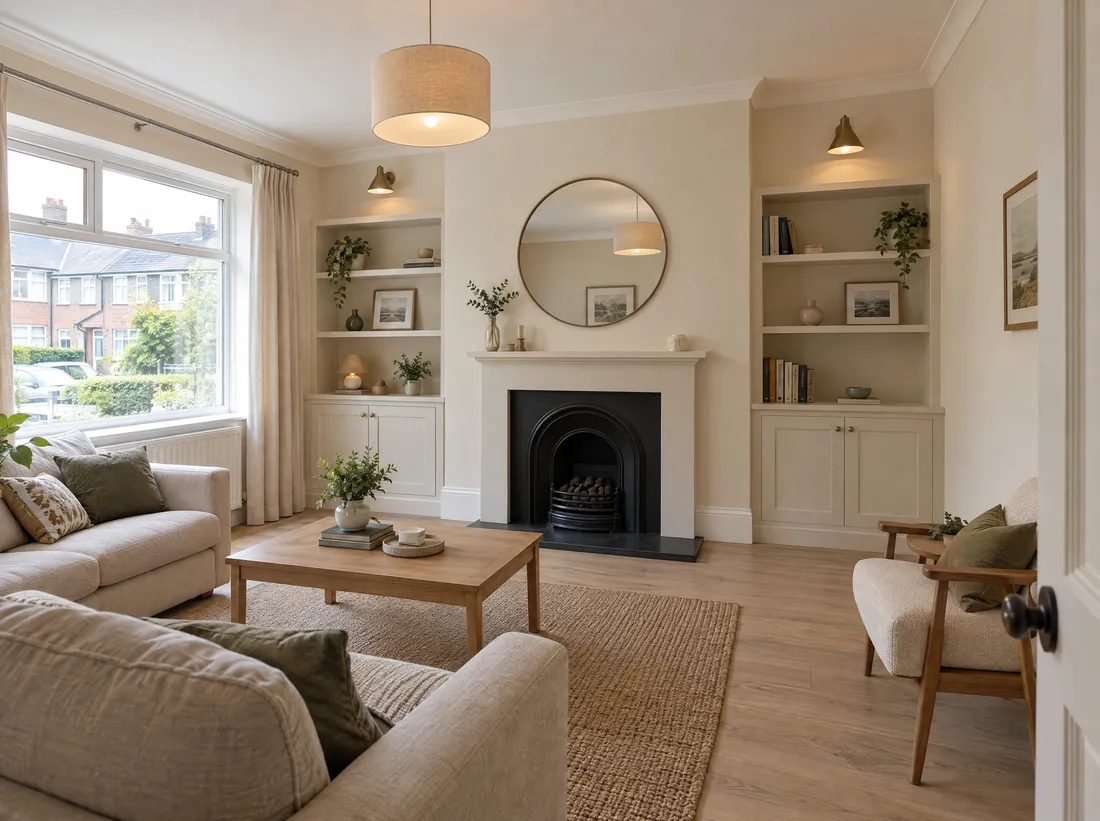
Light refresh
€550 to €950 per m²
New flooring, painting throughout, new light fittings and minor carpentry, with no plumbing or electrical work. It suits a sound house that just looks tired. Smaller refreshes start from about €25,000.

5.0 from 28 Google reviews

Happy Clients: 460+ - Projects: 720+
Home renovations in Dublin from €25,000, about 3 to 6 months on site for a full three-bed semi, and no planning permission needed for internal work.
Free Quote
460+ Happy homeowners

Build Me handles home renovation in Dublin from a light refresh to a full strip-back of a period terrace, with one team running every trade in the right order. You get a fixed written quote after a site visit and the certificates you need when you sell, from Stillorgan and Dalkey to Ranelagh, Terenure and Bray.

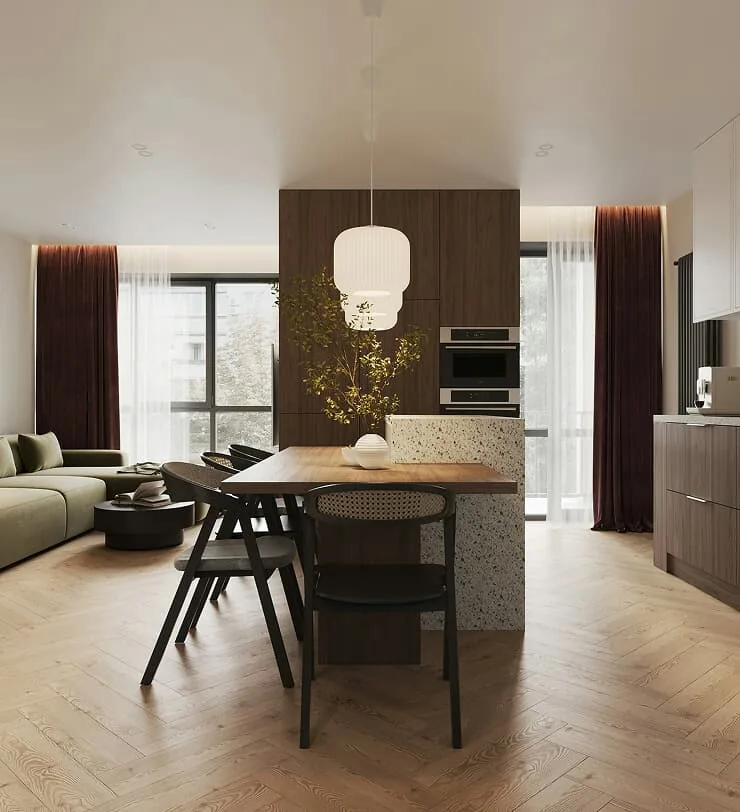


The level of work sets the price far more than the size of the house. These are our 2026 Dublin rates per m², including VAT, before professional fees and contingency.
€550 to €950 per m²
New flooring, painting throughout, new light fittings and minor carpentry, with no plumbing or electrical work. It suits a sound house that just looks tired. Smaller refreshes start from about €25,000.
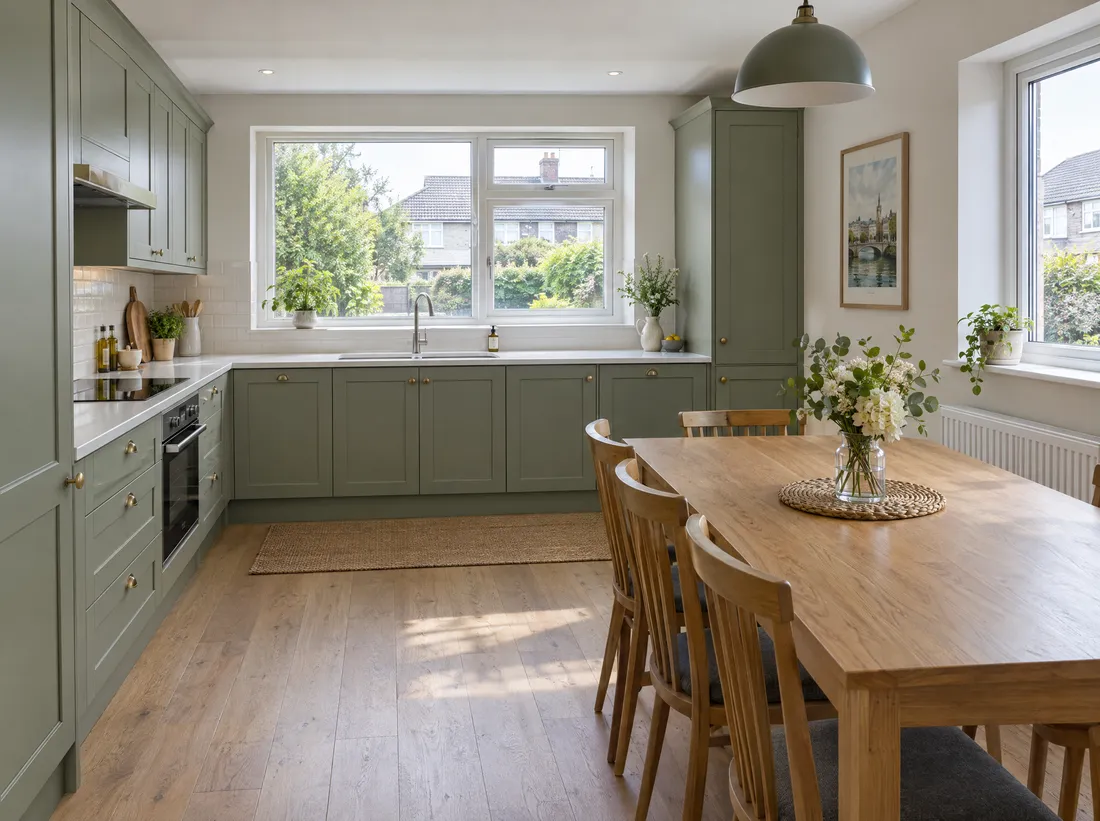
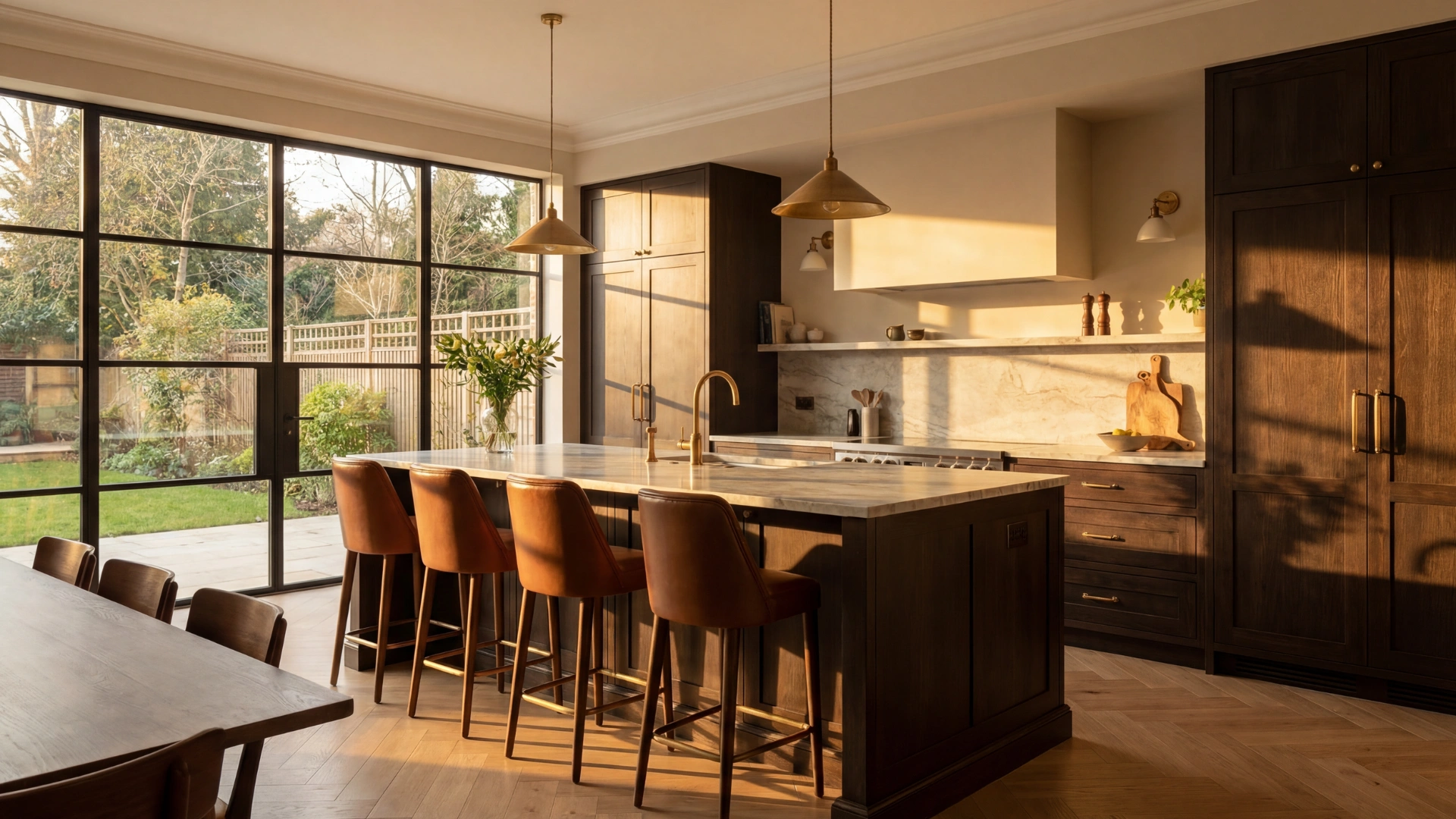
€950 to €1,600 per m²
A new kitchen, a bathroom upgrade, some rewiring, insulation and new windows and doors. It is the most common scope for a three-bed semi in good structural condition, about €105,000 to €176,000 for 110 m².
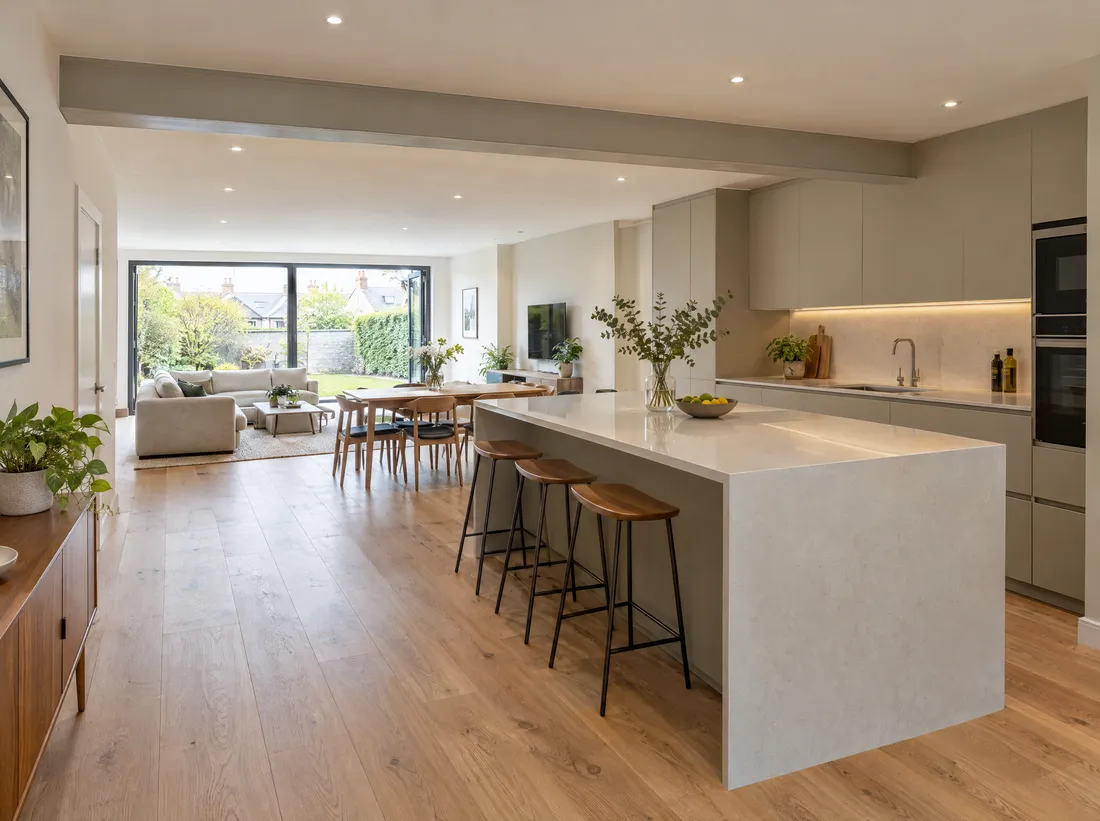
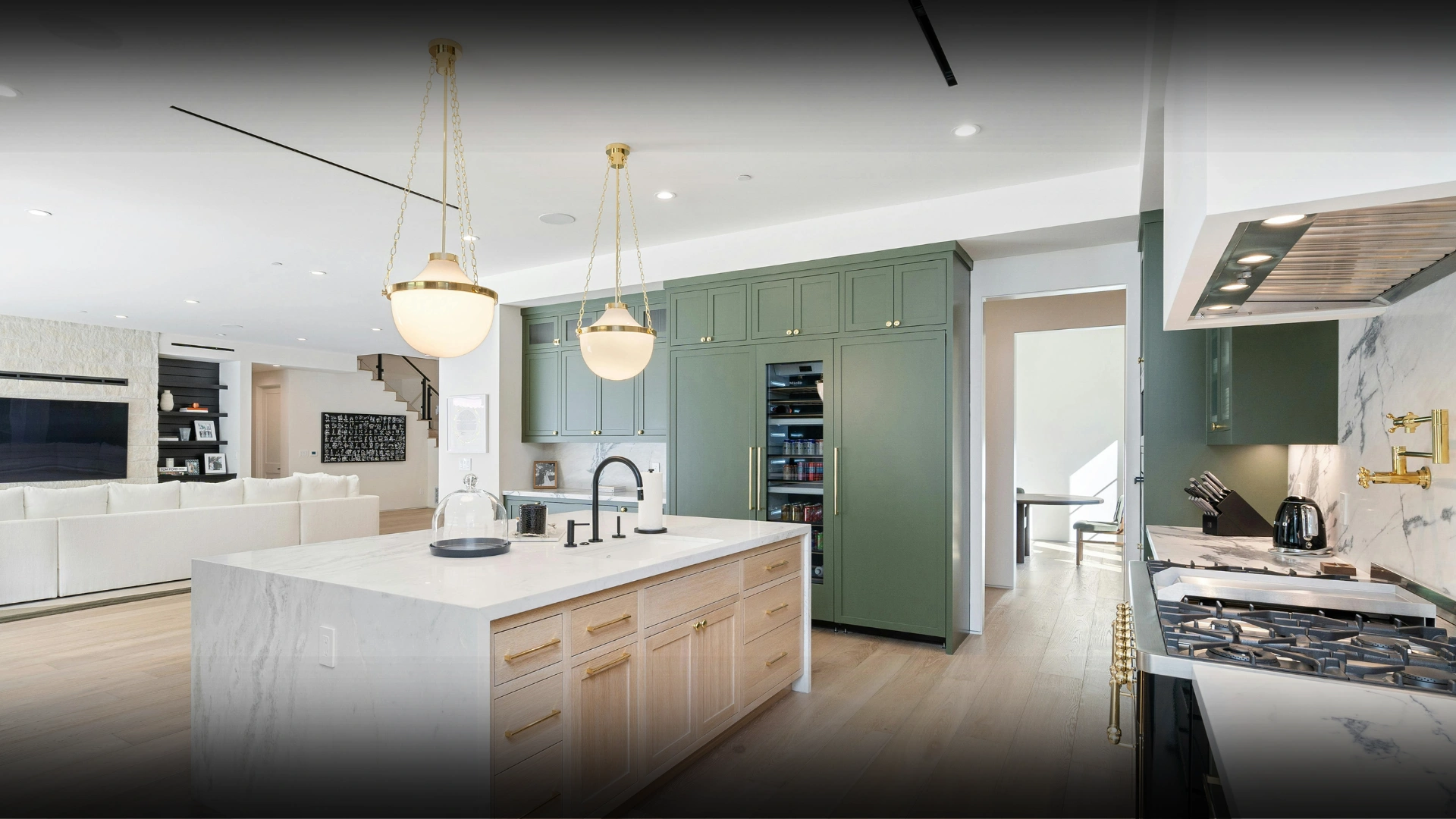
€1,600 to €2,400 per m²
A full rewire, new plumbing runs, replastering, a new kitchen and bathrooms throughout and some layout changes. The house is stripped back to its structure, so most families move out while we work.

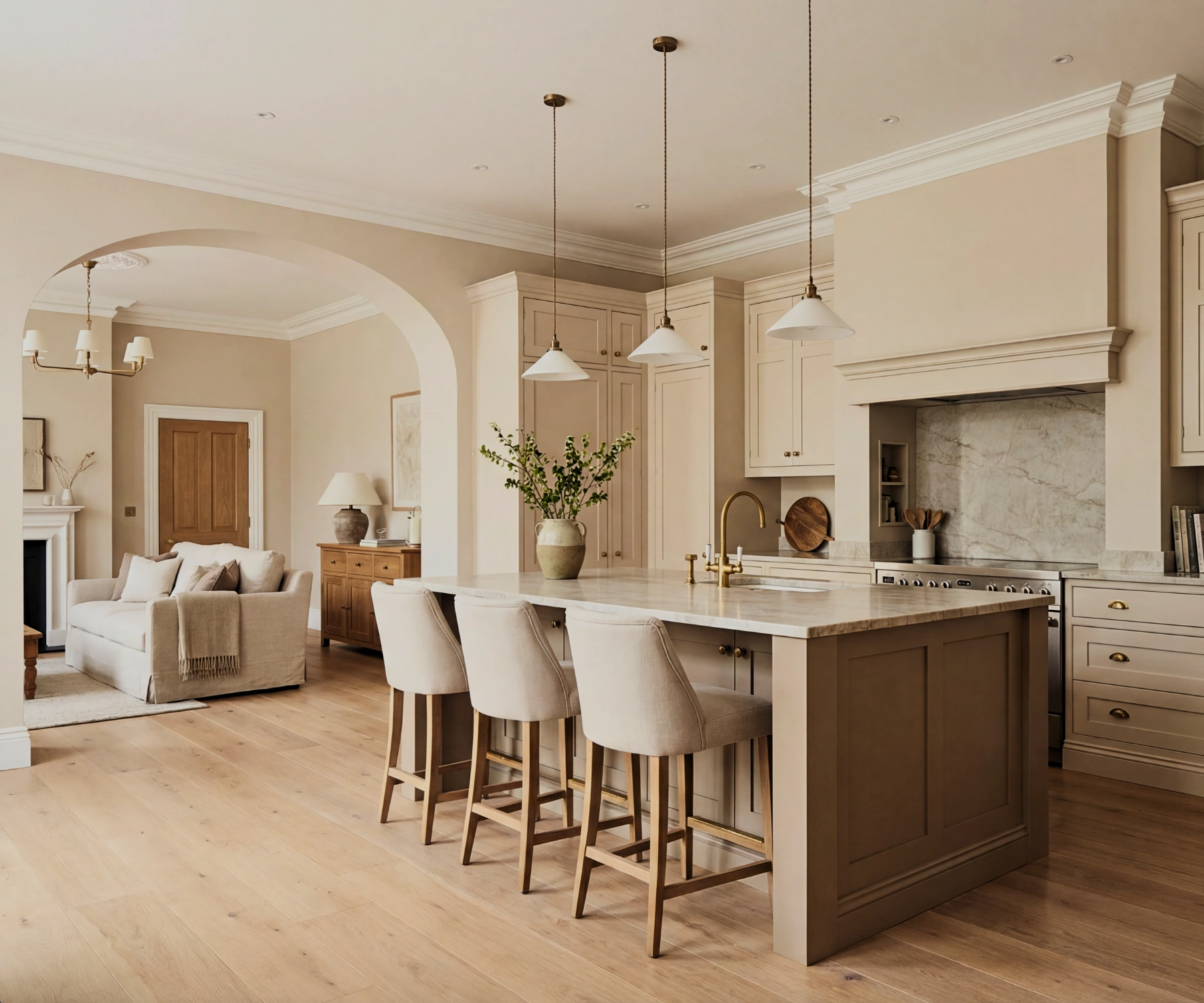
€2,400 to €3,500 per m²
Structural alterations, a deep energy retrofit, or period work on a Victorian or Edwardian house with specialist trades. Older houses hide damp, rot and old wiring until the walls are open, so allow 20% contingency.
In an industry known for missed calls and vague promises, we pride ourselves on great communication and quick responses.
We're fully insured for your peace of mind, protecting your property throughout every stage of the work.
We invest in top tier tools and equipment to achieve precise finishes, professional craftsmanship and lasting results.
Each phase of your project is led by dedicated specialists who excel in their specific area of expertise.
Pick the level of work and the size of your house.
Level of work
Your house
Estimated cost, incl. VAT
€104,500 to €176,000
Mid-range renovation, 3-bed semi (110 m²), house in good condition, Dublin rates incl. VAT. Add fees and 15% contingency.
01
Every renovation starts with a structural survey (€300 to €600), so damp, failed lintels and tired wiring are priced before the quote, not found halfway through. We then agree the order of works in writing: strip-out and structure first, services before the walls close, finishes last.
02
For a layout change, a knock-through or an extension, the design comes first: measured drawings, an engineer's design for any steels and a planning check. We work with your architect if you have one, or arrange the drawings ourselves, and we manage the planning application where one is needed.
03
Many renovations add room at the same time, with a rear extension or an attic conversion done in the same build. It saves a second round of disruption, and the new and old parts are insulated, heated and finished to match. See our house extensions and attic conversions pages for what each costs.
04
Old kitchens, bathrooms, floor coverings and partitions come out first. Knocking walls or removing a chimney breast needs a structural engineer's design and sign-off, and each steel beam costs €800 to €2,500 depending on the span.
05
All cabling and pipework goes in while the walls and floors are open. A full rewire of a three-bed semi costs €7,000 to €20,000 and a replumb €6,000 to €12,000. Electrics are done by a Safe Electric registered contractor and any gas work by a Registered Gas Installer.
06
New windows go in before the walls are insulated and plastered, so the reveals and junctions are right. Insulation and new windows are built to Part L of the building regulations, and plastering a three-bed semi takes two to three weeks plus drying time.
07
These go in after second fix. In Dublin a mid-spec kitchen costs €14,000 to €25,000, a mid-spec bathroom €7,000 to €12,000 and an ensuite €6,500 to €9,000. Keeping the sink and the toilets where the pipes already are keeps those prices down.
08
Hard floors go down before skirting, then ceilings, walls and woodwork are painted, and carpets go in last. We finish with a snagging walk-through and hand over the electrical and gas certificates you will need when you sell.
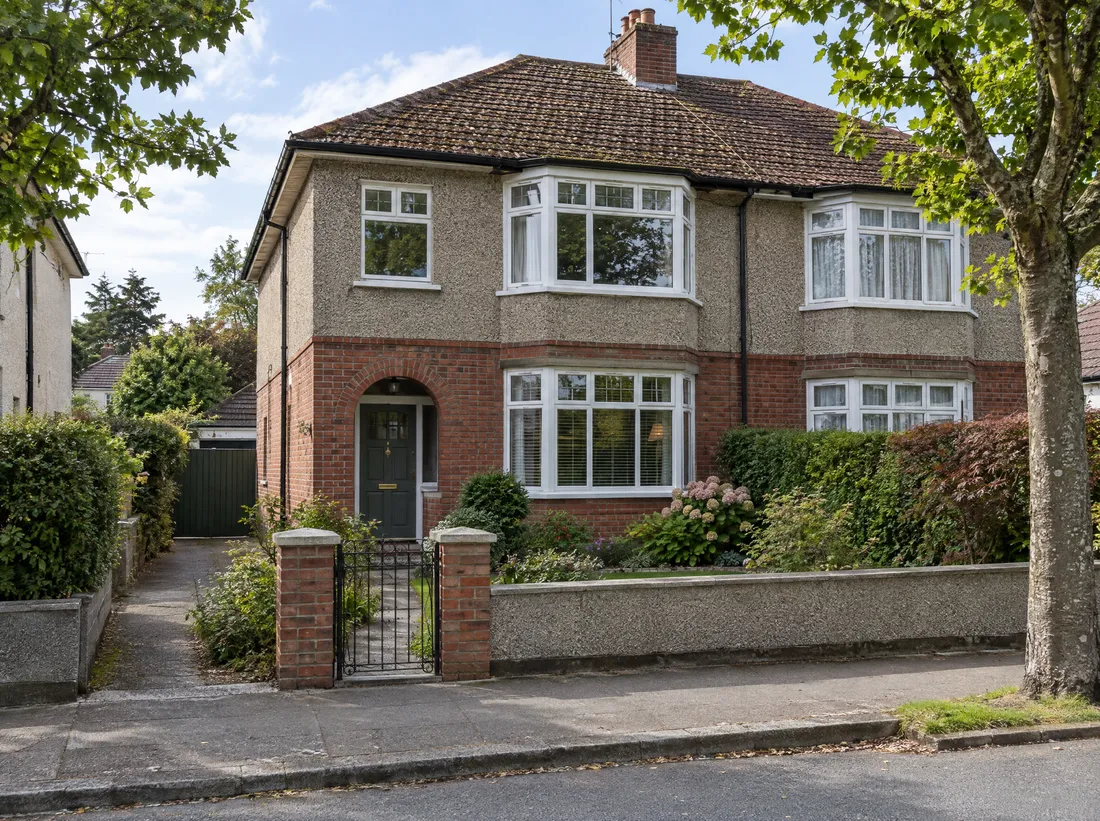
Most have good bones, but the original wiring, plumbing and single glazing usually need replacing. Condition matters more than age: a well-kept 1930s house can cost less to renovate than a neglected 1980s one. For any house built before 1970 we recommend a 20% contingency.
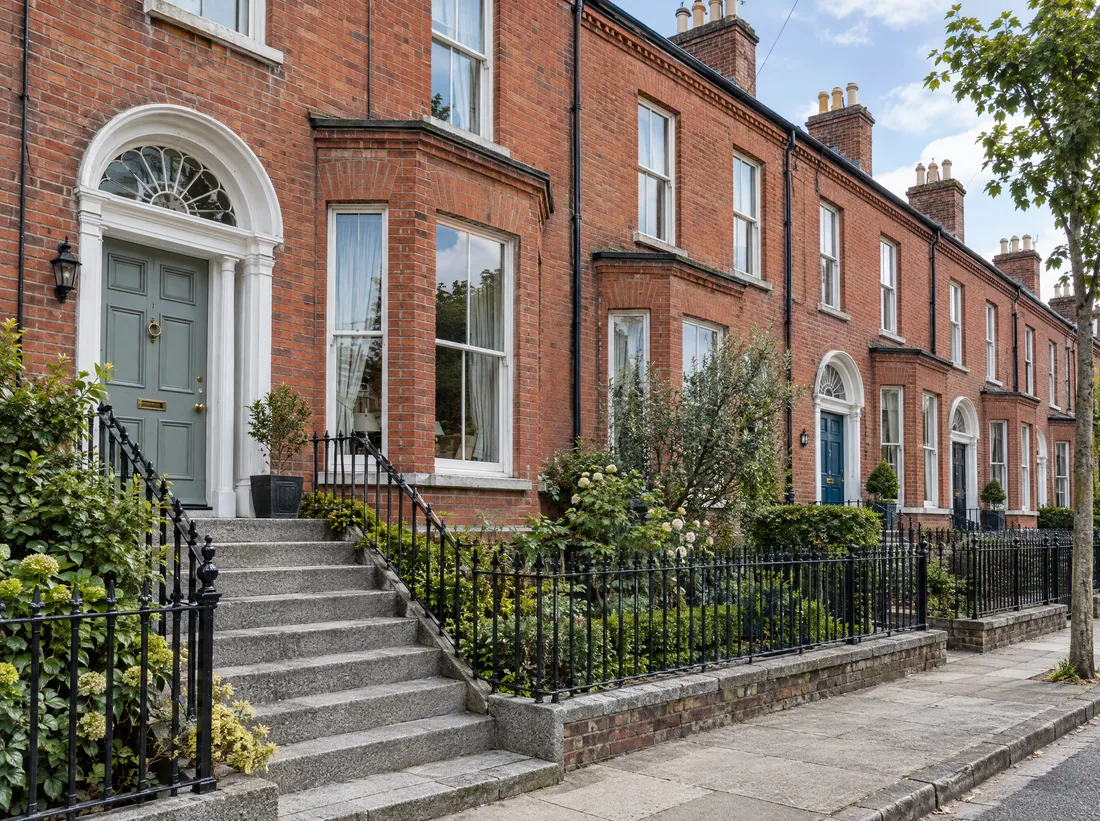
In Ranelagh, Rathmines and Drumcondra, opening the walls often reveals failed lintels, rising damp, tired roof timbers and old wiring. Moving the soil stack in a terrace can add €3,000 to €5,000, and if the house is a protected structure some changes need permission.
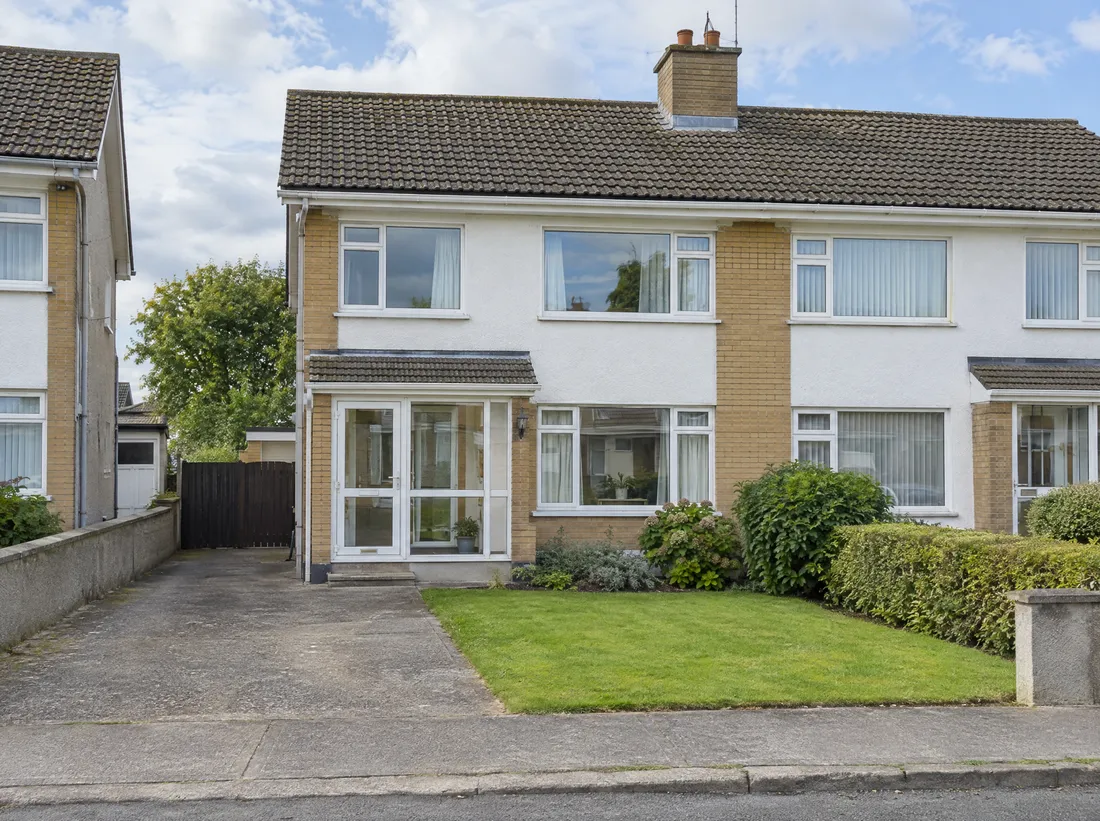
Usually sound, but often with decades of DIY work behind the walls. Most owners want a more open ground floor, better insulation and new windows. If an earlier owner built an extension, it has used part of the 45 m² exempt allowance, and some estates have exempted development rights removed.
Work inside the house that doesn't change how it looks from outside is exempted development. Extensions, dormers and protected structures are where the rules start, and building regulations apply either way.
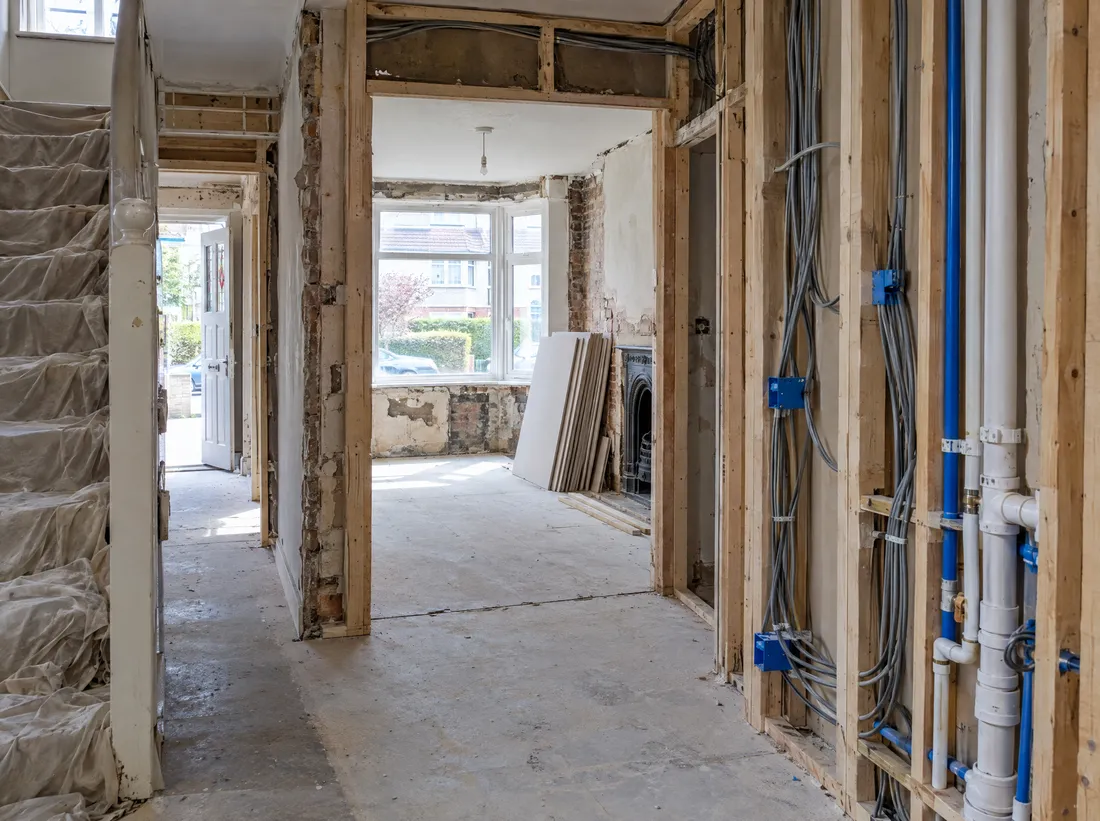 No planning needed
A new kitchen, bathrooms, rewiring, replumbing and most internal layout changes.
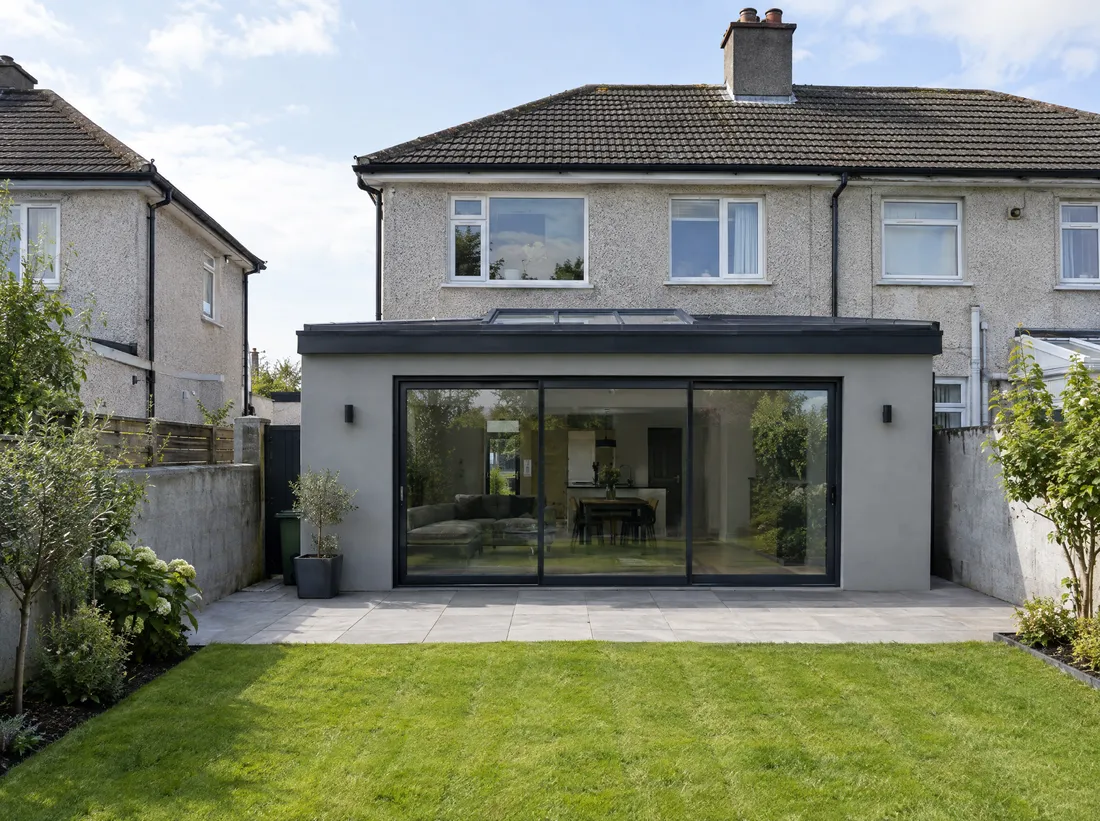 Check first
Exempt within limits: 45 m² at the rear with 25 m² of garden left, dormers up to 30 m³.
 Needs permission
Works that affect a protected structure's character, and anything built to the front or side.
Electrics, gas and structural work each come with paperwork that buyers' solicitors ask for.
Being exempt from planning doesn't exempt the work from the building regulations.
A full renovation of a three-bed semi takes about 3 to 6 months on site, after 2 to 4 months of surveys, design and ordering.
We walk the house with you, look at the structure, wiring and plumbing, and recommend a survey for older homes.
A fixed written quote, the order of works, a planning check and orders placed for kitchens, windows and other long-lead items.
Strip-out, steels and structural work, then new wiring, plumbing and heating pipework while the walls are open.
Windows, insulation and plastering, then sockets, radiators, the kitchen and the bathrooms.
Flooring, painting, snagging with you and the certificates for your records.
We renovate homes across Dublin and Wicklow, from 1930s semis to Victorian terraces. We're fully insured, one team manages every trade in the right order, and every job comes with a 1-year workmanship warranty.
Whatsapp chatSee how we renovate Dublin homes from 1930s semis to Victorian terraces, room by room, to a fixed written quote.
Build Me recently completed a full renovation of our home. The whole process was handled professionally from start to finish. Communication was top-notch, with everything coordinated through a whatsapp group. Really happy with the final result.
Vasilij and team did an outstanding job with our recent house renovations. Their work was exceptional including flooring, tiling, painting plumbing/bathroom installation and other works. The team was always so pleasant, hardworking, diligent and professional.

VJ, Lana and the team did an amazing job painting our hall and living space. They were meticulous in detail, clean, tidy and a dream to work with. They gave fantastic guidance on what would work well, Lana has a brilliant eye when it comes to interiors. They worked incredibly hard from early in the morning until late in the evening. I cannot fault anything, and cannot recommend them highly enough to anyone needing work done.

I couldn't be happier with the fantastic job done by Vasilij, Michael, and Daniel! From start to finish, their professionalism, attention to detail, and craftsmanship were absolutely top-notch.
They expertly plastered and painted the walls with a flawless finish that completely refreshed the space.

Max and VJ did an amazing job in our kitchen. I had a timeline to finish the job within a week and they managed it very well.
Still have questions about your renovation? Call 01 270 9764 and we'll be happy to help.
Smaller refreshes start from about €25,000, including VAT. For a whole house, our Dublin rates are €550 to €950 per m² for a light refresh, €950 to €1,600 per m² for a mid-range renovation, €1,600 to €2,400 per m² for a full renovation and €2,400 to €3,500 per m² for major structural or period work. For a 110 m² three-bed semi that is about €105,000 to €176,000 for a mid-range renovation and €175,000 to €265,000 for a full one. Add 15% contingency (20% for a house built before 1970) and 8 to 12% if you use a full architectural service. Try the renovation calculator or read our home renovation costs guide.
Not for internal work. A new kitchen, new bathrooms, rewiring, replumbing and most internal layout changes are exempted development. A single-storey rear extension is usually exempt up to 45 m² in total if at least 25 m² of garden is left. Front and side extensions, protected structures and some estates where exempted development rights were removed need permission. Building regulations apply either way. See our guide to planning permission rules.
A full renovation of a three-bed Dublin semi takes about 3 to 6 months on site, after 2 to 4 months of surveys, design, quotes and ordering, so 5 to 10 months from decision to handover. Planning permission, where needed, adds 12 to 16 weeks before the build. Houses built before 1960 usually sit at the upper end. Our guide on how long a renovation takes covers each project type.
Survey and compliance first, then strip-out and structural work, then first fix wiring, plumbing and heating, then windows, insulation and plastering, then second fix, kitchens and bathrooms, flooring and finally decorating. Each stage sets up the next, and doing them out of order means breaking into finished work. See the full order of a home renovation and our home renovation checklist.
It depends on the scope. You can usually stay at home for a light refresh, and a kitchen or bathroom renovation is manageable with temporary arrangements. A whole-house renovation with rewiring, replumbing or structural work is safer and faster with the house empty, so most families move out. Where that isn't possible, we can phase the work to keep part of the house in use.
No. The Home Renovation Incentive (HRI) closed for work carried out and paid for after 31 December 2018, and Revenue confirms new claims can no longer be made. There is no general tax credit for a kitchen, bathroom or full renovation today. SEAI grants do cover energy upgrades such as insulation, heat pumps and solar panels, with approval needed before work starts. Build Me offers SEAI grant work through our SEAI-registered partner contractor, so those upgrades can be part of your renovation. Read more about the Home Renovation Incentive and home renovation loans.
Keep an electrical Completion Certificate from a Safe Electric registered contractor, a Declaration of Conformance from a Registered Gas Installer if any gas work was done, an engineer's sign-off for structural changes and, where a Commencement Notice was needed, the Certificate of Compliance on Completion. Buyers' solicitors ask for these when you sell, and they are hard to get after the fact.