5 stars reviews

Happy Clients: 460+ - Projects: 720+

Attic Conversion Dublin

Attic conversions in Dublin from €22,000, built as a proper habitable room in 6 to 10 weeks and often without planning permission.

Free Quote
Client photos

460+ Happy homeowners

Turn your empty attic into a real room

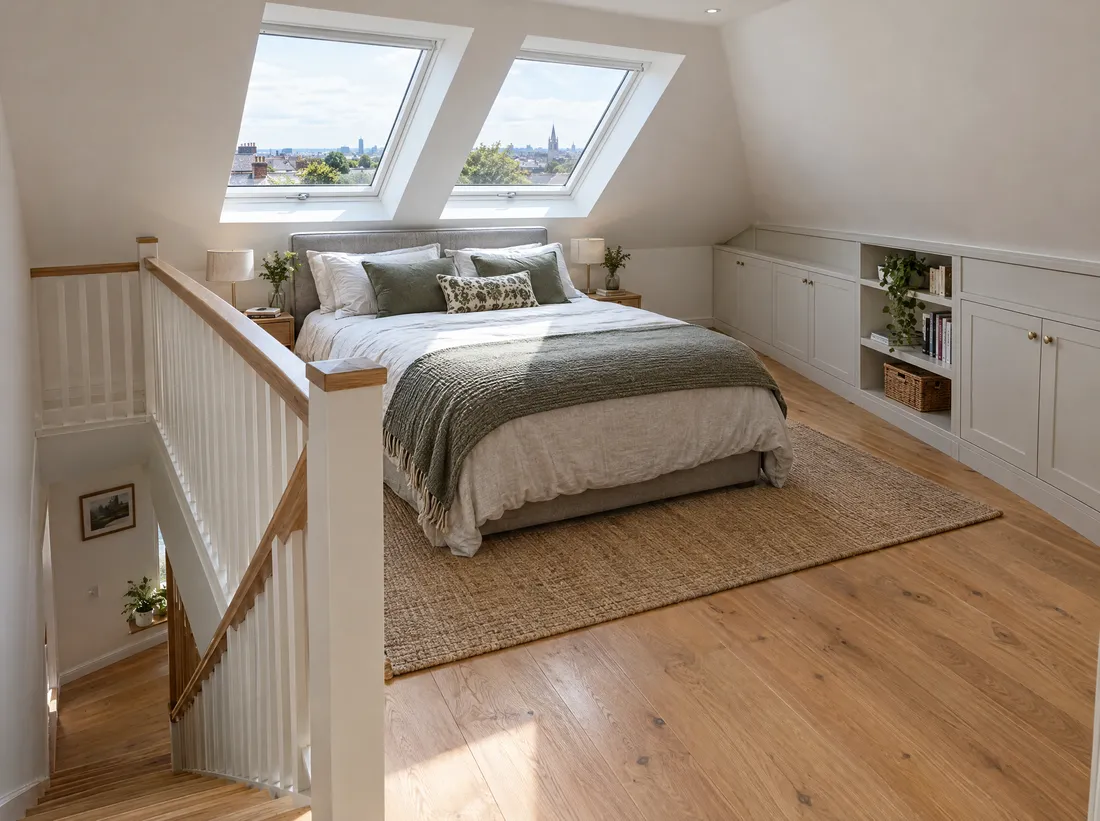
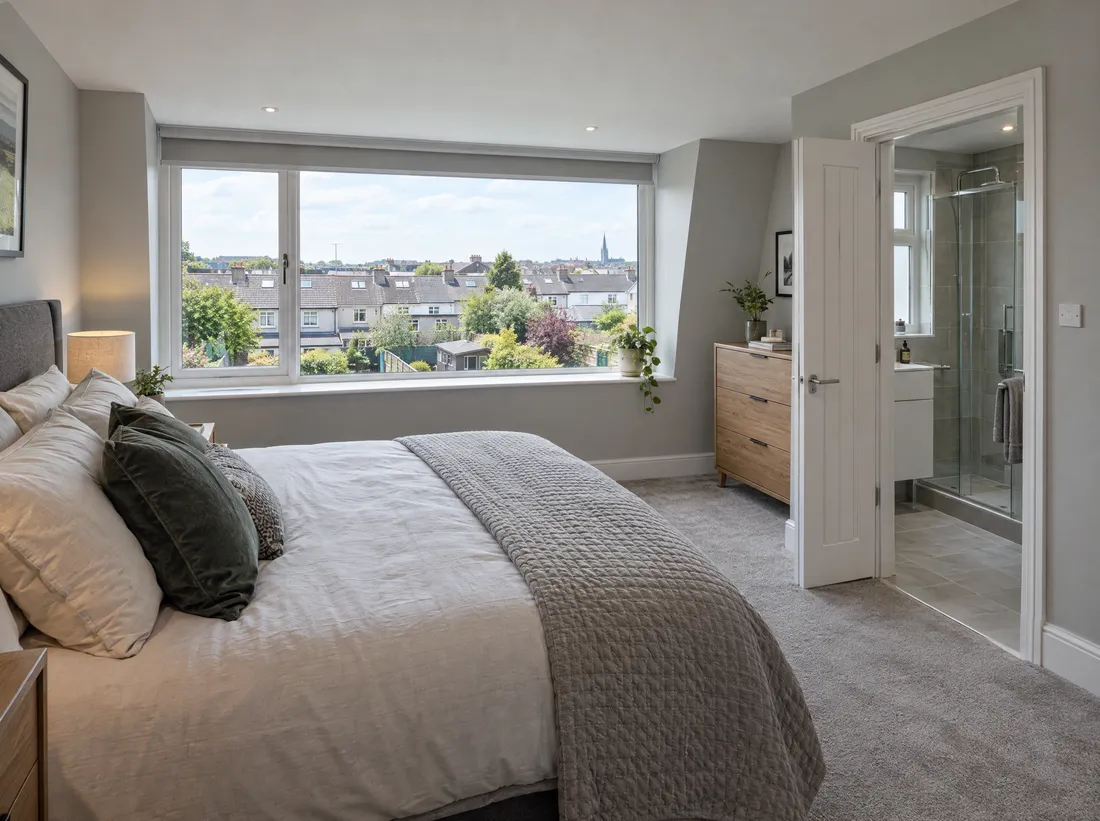
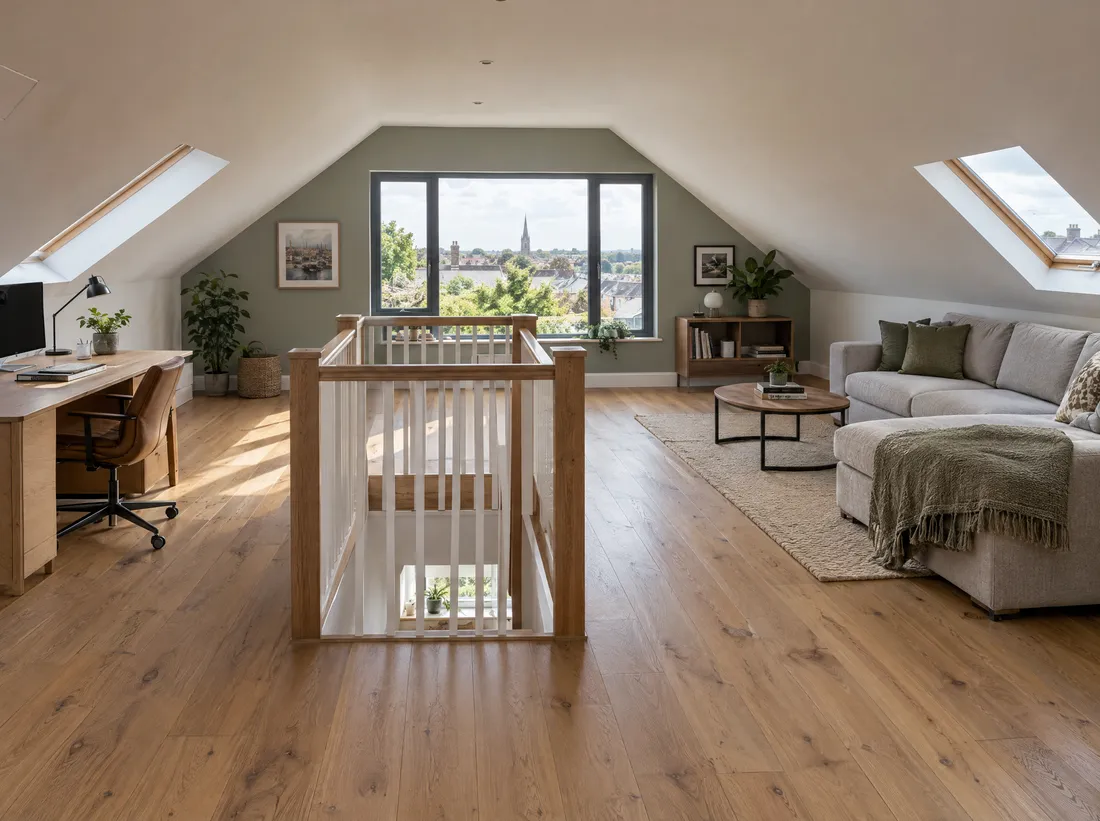
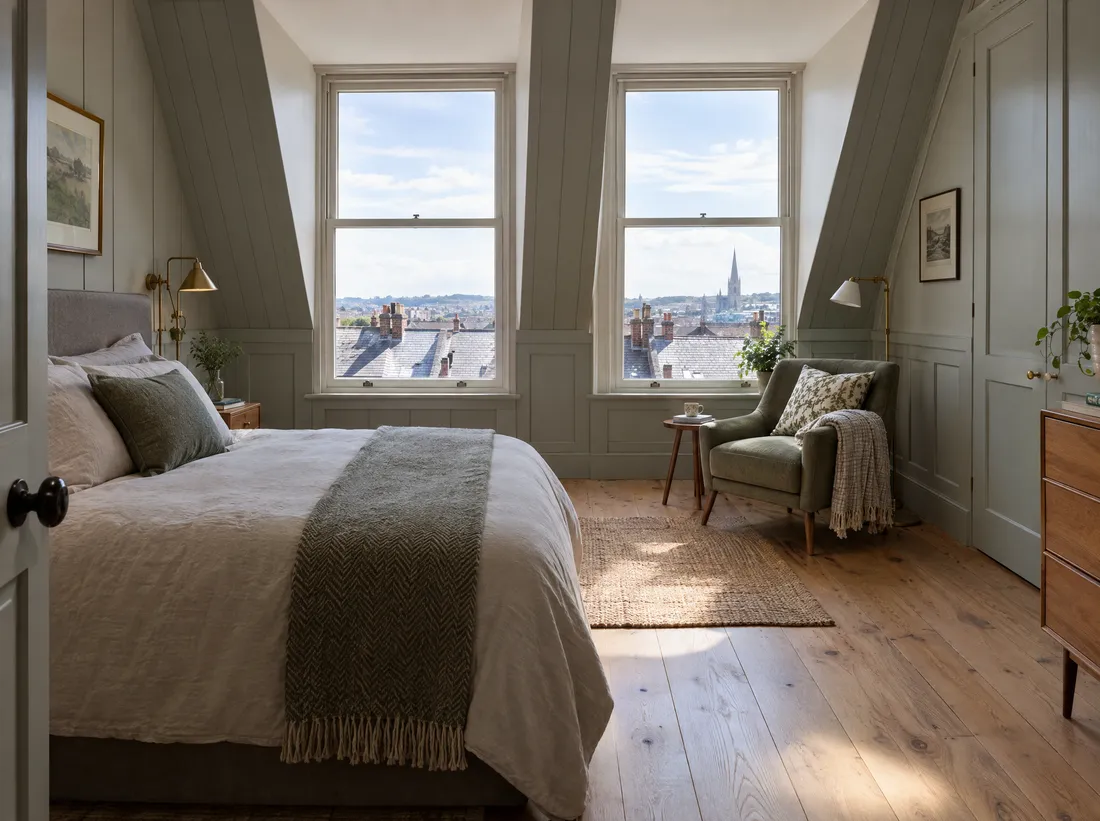
Build Me converts Dublin attics into real rooms: bedrooms, home offices and ensuites with a proper staircase and full head height. Rooflight, dormer or a new gable, we design and build the whole thing, from the engineer's floor to the finishes and the certificates you'll need when you sell.

From €22,000
From €22,000
For a rooflight conversion, incl. VAT
6 to 10 weeks
6 to 10 weeks
On site, or 10 to 12 with an ensuite
Often exempt
Often exempt
For rooflights and most rear dormers
Conversion types

Four ways to
convert an attic

The type of conversion sets the price far more than the room does, because it decides how much of the roof we rebuild. Your roof's height and shape decide which types are possible.

Why homeowners love working with us

Customer service

In an industry known for missed calls and vague promises, we pride ourselves on great communication and quick responses.

Liability insurance

We're fully insured for your peace of mind, protecting your property throughout every stage of the work.

Superior equipment

We invest in top tier tools and equipment to achieve precise finishes, professional craftsmanship and lasting results.

Dedicated specialists

Each phase of your project is led by dedicated specialists who excel in their specific area of expertise.

Estimate your attic conversion

Pick the type of conversion and the usable floor area you expect after it.

Conversion type

Usable floor area

Estimated cost, incl. VAT

€35,000 to €60,000

Dormer conversion with 20 to 30 m² of usable floor in Dublin, before add-ons and contingency.

What the build involves

01

Can my attic be converted?

Three things decide it: headroom, roof structure and room for the stairs. Look for a head height of about 2.4 m from the top of the ceiling joists to the ridge. A traditional cut roof, built from rafters and purlins, is the simplest to open up, while a trussed roof needs steel first. We check all three at the site survey, before any design work starts.

02

Floor structure and steelwork

Ceiling joists are sized to hold up a ceiling, not a bedroom. A structural engineer designs the new floor, usually new joists alongside the old ones and often a steel beam. Trussed roofs, common in houses from the 1970s on, need a redesign with steel before any timbers can be cut, which adds €3,000 to €15,000 depending on how much steelwork is involved.

03

A fixed staircase to Part K

A habitable room needs proper attic stairs: a fixed staircase built to Part K of the Building Regulations. A folding loft ladder is fine for storage but not for a bedroom. Where the landing is tight, a bespoke or space-saving stairs adds €3,000 to €8,000, so we plan the stairs position before anything else.

04

Fire safety and the escape route

The new room is the highest point in the house, so Part B fire safety matters most. Depending on the layout, that means a protected stairs route down to the front door, fire doors onto it, interlinked smoke and heat alarms and an escape window in the attic room. This is the work that makes the space a legal bedroom.

05

Natural light: roof windows or a dormer

Roof windows such as Velux windows sit in the roof slope and are the cheapest way to bring in natural light and air. A dormer adds vertical walls and a window you can stand at, plus far more usable floor. We size the glazing for daylight, ventilation and the escape window, not just for looks.

06

Flat or pitched dormer, and how it is finished

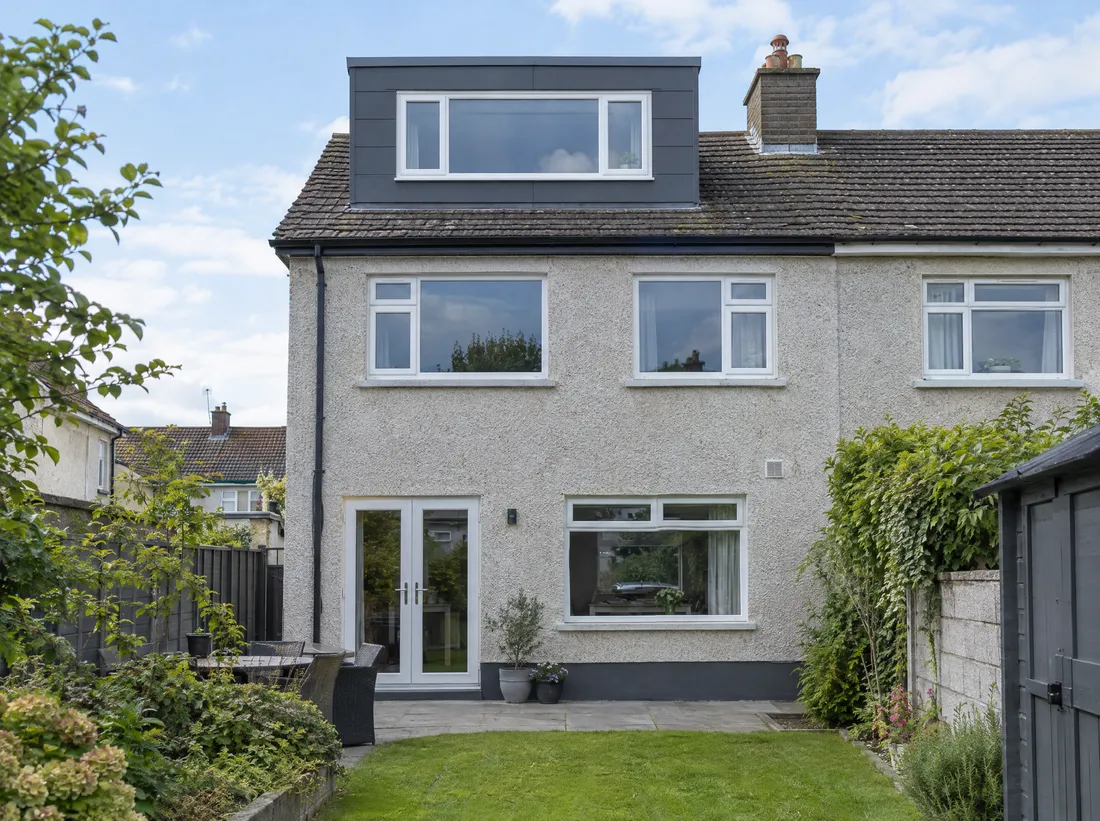
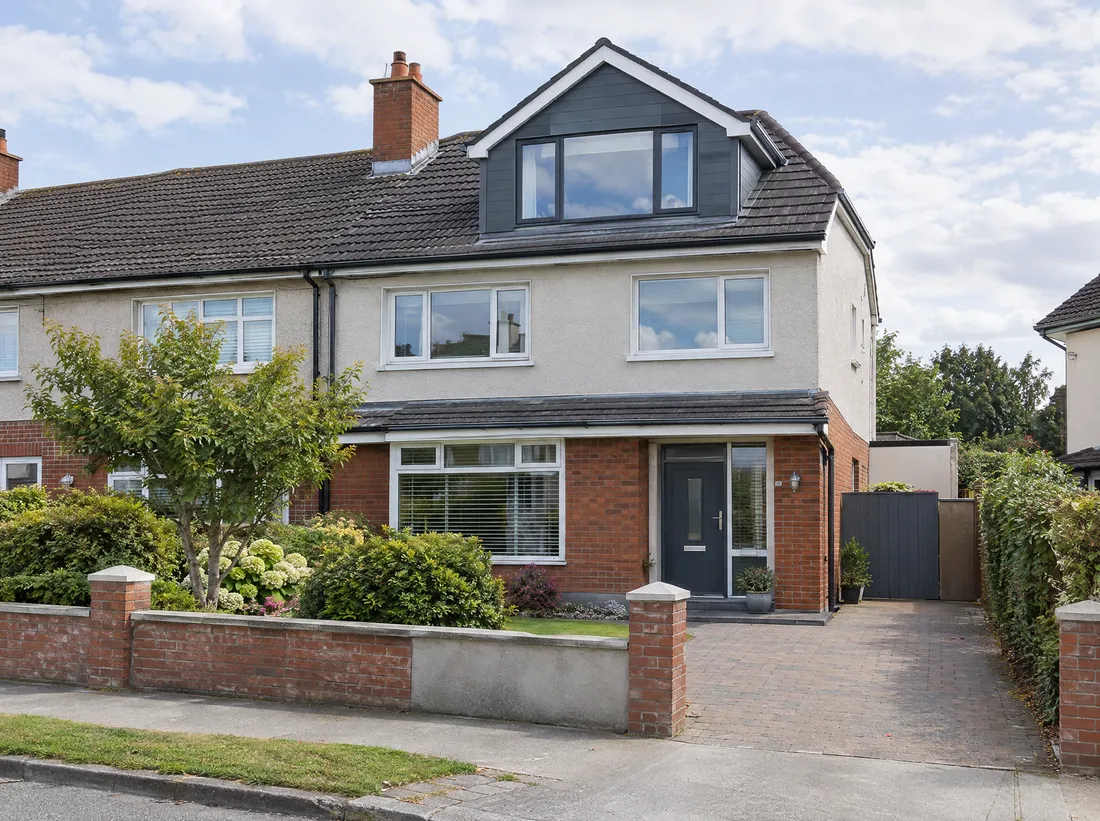
Most rear dormers in Dublin have a flat roof, which gives the most headroom for the money. A pitched dormer roof, tiled to match the house, looks softer but gives less height inside. The dormer cheeks and front are usually clad in tiles or slate to match the roof, fibre-cement or zinc, which costs more but lasts. Whatever the finish, an exempt dormer must stay below the ridge and 20 cm back from the eaves.

07

Insulation, ventilation and condensation

The insulation moves from the attic floor up into the roof, built to Part L, with a vapour control layer on the warm side and a ventilated gap or breathable membrane above, so moist air from the house can't condense on cold timbers. Part F ventilation means opening roof windows with trickle vents and an extractor fan in any ensuite. Radiators usually run off your existing heating, and the room gets new sockets, lighting and a smoke alarm from a registered electrician.

08

Adding an ensuite

An attic ensuite or wet room needs the soil stack extended up into the roof, water supplies and extraction to outside. It adds €6,000 to €12,000 for a standard ensuite and €12,000 to €20,000 for a high-spec or complex one.

09

Eaves storage, joinery and finishes

The low space behind the knee walls is ideal for eaves storage, with doors or pull-out drawers built in, and built-in wardrobes fit neatly under the slope. Flooring goes down last over the new joists: carpet for a quiet bedroom, or engineered timber with an acoustic underlay. Painted skirting, doors and a matching balustrade make the room feel part of the house, not an add-on.

10

Scaffolding, skips and living at home during the build

Most of the work is done from a scaffold outside, and materials go up and waste comes down that way, into a skip on the drive or a permitted spot on the road. Most families stay at home: the roof is opened from outside and the stairs is cut in late, so dust inside is short-lived. On a semi-detached or terraced house the new steel often bears on the party wall, so talk to your neighbour before work starts.

11

What sets the price, and what your quote should show

The type of conversion, the floor area, an ensuite, the stairs and any extra steelwork set most of the cost, and older houses need a bigger contingency. Whoever you hire, ask for an itemised quote that lists each of these, the drawings and engineer's fees, VAT and what is excluded. A fixed quote for an agreed scope is easier to compare. Pay in stages tied to finished work, such as the roof watertight, first fix and handover, not a large deposit up front.

Storage attic or habitable room and why the difference matters

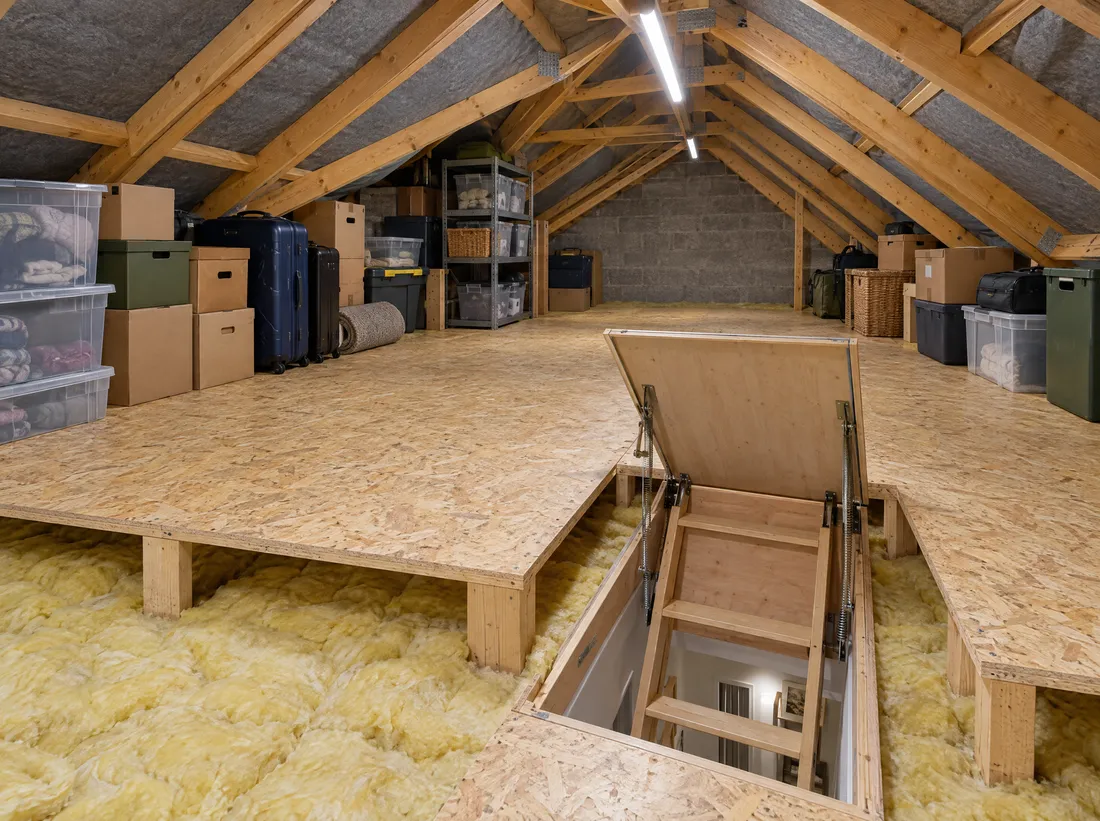
A boarded attic for storage

A boarded attic for storage

Boards laid over the joists, a folding ladder and a light. It takes a day, needs no planning and no building regulations, and the attic stays cold and unheated. It is a job for an attic boarding company rather than a builder.

  • €600 to €1,800
  • No building regs
  • Folding ladder
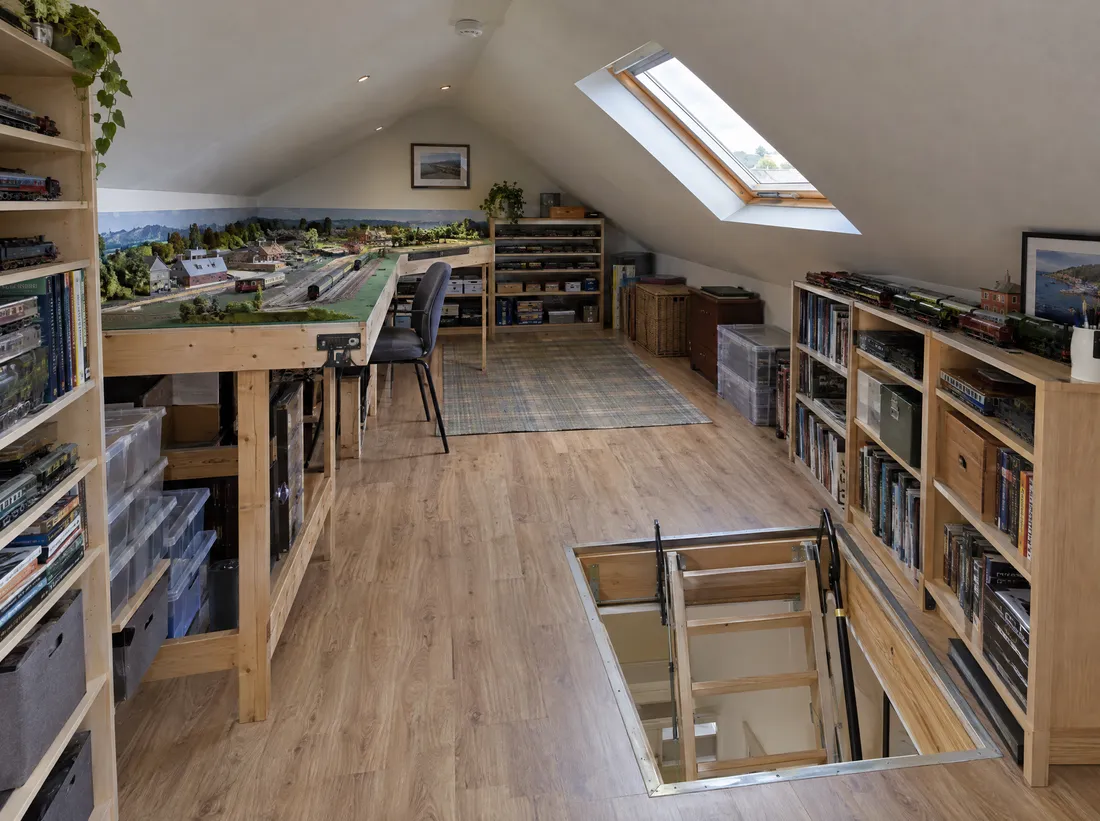
A finished attic that isn't a legal room

A finished attic that isn't a legal room

Floored, lined and lit with rooflights, but not built to the habitable standard, often missing an engineered floor, a fixed stairs or a protected escape route. It is fine for a hobby room or storage, but it can't be used or sold as a bedroom.

  • Not a bedroom
  • No compliance sign-off
  • Harder to sell
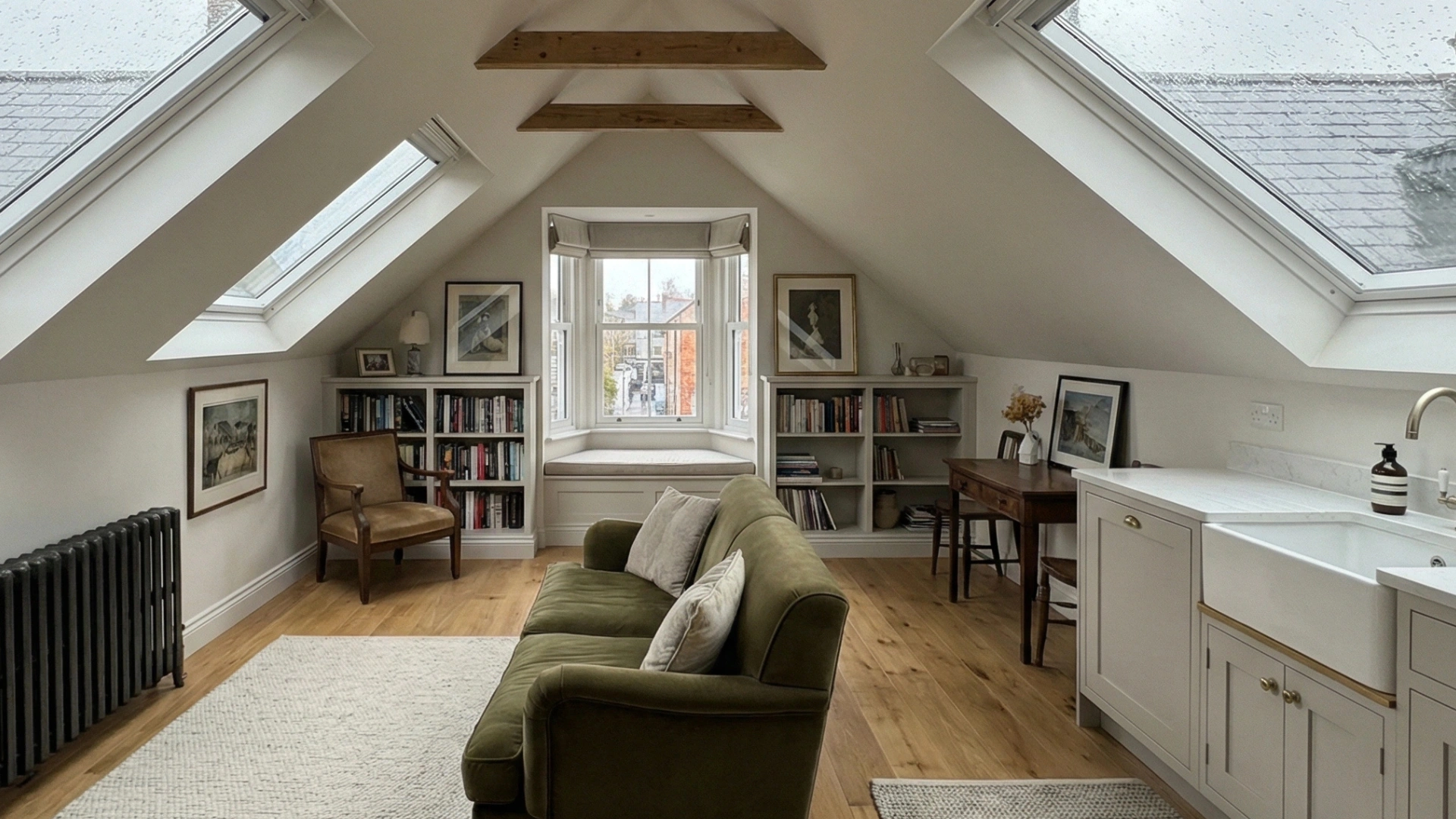
A habitable attic room, the conversion we build

A habitable attic room, the conversion we build

An engineered floor, a fixed staircase to Part K, a fire-safe escape route to Part B, insulation in the roof and proper ventilation. It is a room you can sleep in, count as a bedroom and sell with the compliance documents.

  • From €22,000
  • Fixed stairs
  • Fire-safe escape
Planning

Do you need planning permission for an attic conversion? Often not.

Since 27 July 2026, rooflights and side or rear dormers up to 30 m³ are exempted development. Front dormers and anything that changes the shape of the roof still need permission.

  • Rooflights and internal workUsually exempt

    Rooflights and internal work

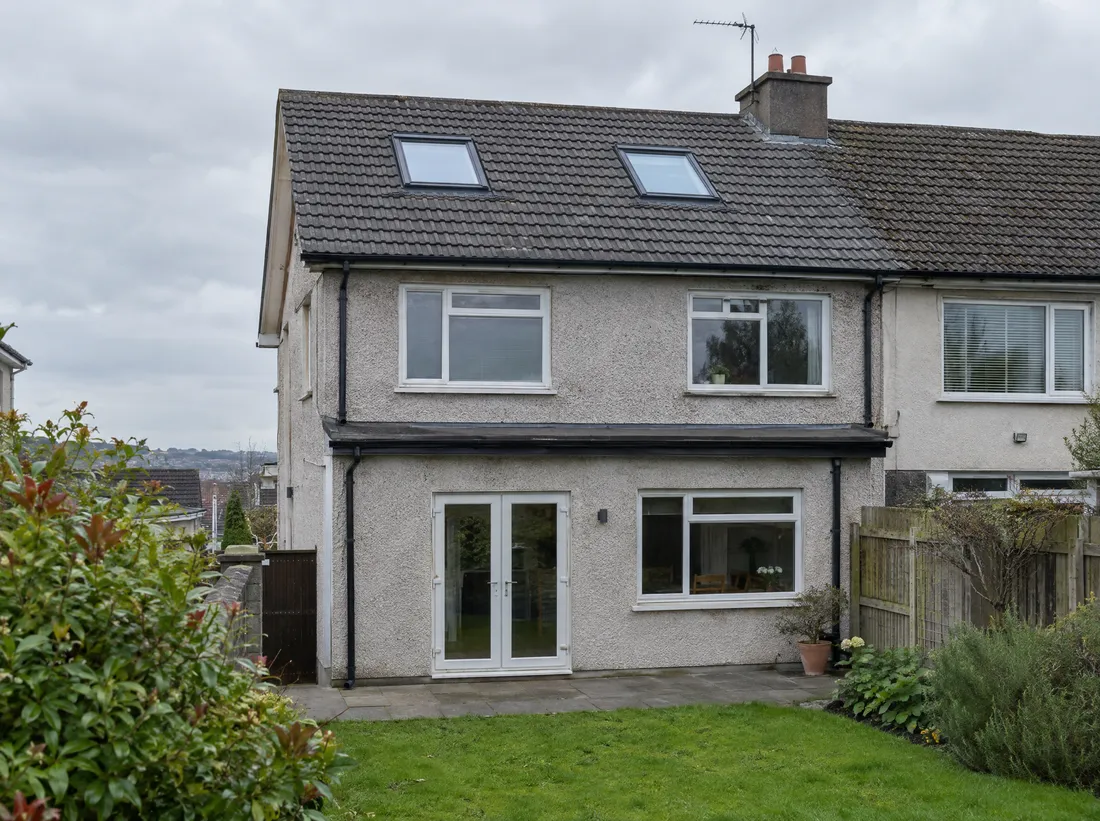
    Rear rooflights, and up to two front rooflights of 100 × 90 cm each.

  • Rear or side dormerExempt within limits

    Rear or side dormer

    Up to 30 m³ in total, below the ridge and 20 cm back from the eaves.

  • Front dormer or new roof shapeNeeds permission

    Front dormer or new roof shape

    Front dormers, hip-to-gable, mansard, a raised ridge and protected structures.

What changed on 27 July 2026

The 2026 exempted development regulations (S.I. 338 to 344 of 2026) added two new exemptions: side and rear dormers up to 30 m³ in total, and up to two front rooflights. Before that, a dormer or a front rooflight normally needed planning permission. The 40 m³ and 50 m³ dormer limits quoted on some sites are UK rules, not Irish ones. Worked example: a Dublin semi already has an 8 m³ side dormer, so the owners have 22 m³ left for a new rear dormer.

A 26 m³ rear dormer would bring the total to 34 m³ and need planning permission, so the design is cut to 22 m³ or goes for permission.

  • Two front rooflightsEach up to 100 × 90 cm is exempt. A third, or one bigger window such as 114 × 118 cm, needs permission.
  • Still needs permissionA front dormer, hip-to-gable, mansard, a raised ridge, and any protected structure. A Section 5 declaration (€80) confirms the position.

Building regulations: structure, fire safety and stairs

They apply to every habitable attic, even when planning permission does not.

  • Structure (Part A)An engineer-designed floor, and steel where roof timbers are cut.
  • Fire safety (Part B)A protected escape route, fire doors and interlinked alarms.
  • Stairs (Part K)A fixed staircase, not a loft ladder, for any habitable room.
Attic conversion regulations in Ireland
Compare

Attic conversion vs extension

If you have the height in your roof, converting it adds a room without giving up any garden.

Attic conversion

Attic conversion

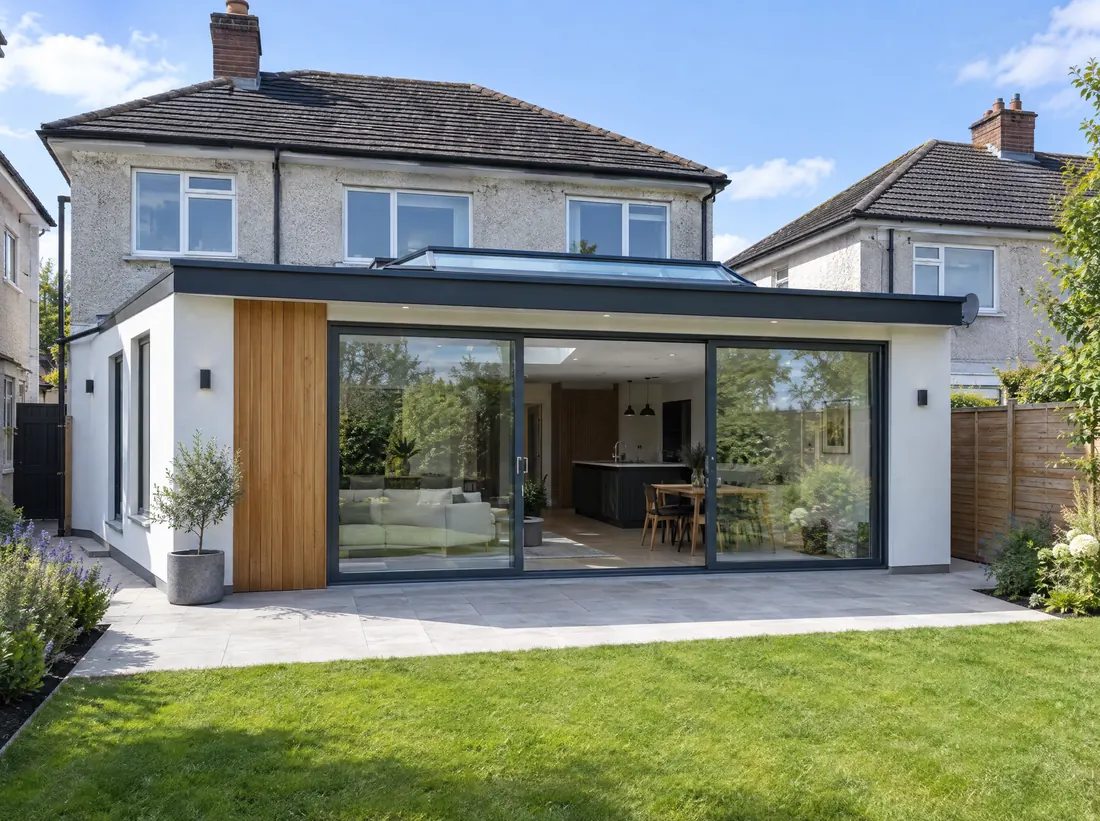
Single-storey rear extension

Single-storey rear extension

vs

Cost per m² in Dublin

Rooflight conversion€880 to €1,400
Dormer conversion€1,400 to €2,400
Rear extension€2,700 to €3,400
Typical cost
€22,000 to €60,000, rooflight or dormer
€40,000 to €138,000 for 15 to 40 m²
Planning
Rooflights and rear dormers to 30 m³ exempt
Exempt up to 45 m² at the rear
Time on site
6 to 10 weeks
Longer: new foundations, walls and roof
What you give up
Attic storage
Part of the garden

Attic figures from our attic conversion cost guide and calculator. Extension figures from our house extension cost guide.

Step by step

How an attic
conversion works

From the first visit to the handover, a dormer conversion takes about 8 to 10 weeks on site. If planning permission is needed, add 12 to 16 weeks before the start.

  1. 01

    Site visit and survey

    We measure the height at the ridge, check whether the roof is cut or trussed and look for room for the stairs on the landing.

    Week 0
  2. 02

    Design, engineer and paperwork

    Layout, the engineer's floor design and a written quote. We confirm the planning position and the Commencement Notice before we start.

    Weeks 1 to 2
  3. 03

    Structure, roof and stairs

    Scaffold, new floor joists and steel, the dormer or rooflights, the roof made watertight and the staircase cut in.

    Weeks 3 to 6
  4. 04

    First fix, insulation and plastering

    Wiring, heating and any ensuite pipework, roof insulation, fire doors and plasterboard.

    Weeks 7 to 9
  5. 05

    Finish and handover

    Flooring, joinery and decorating, final checks, a walkthrough with you and the compliance documents.

    Weeks 10 to 11

A wee bit about us

We convert attics across Dublin and Wicklow, from rooflight bedrooms to full rear dormers with an ensuite. We're fully insured, our work comes with a 1-year workmanship warranty, and a typical conversion takes 6 to 10 weeks on site.

Whatsapp chat

Projects

See how we convert Dublin attics into bedrooms, home offices and ensuites with proper stairs and full head height.

We make Irish homeowners happy

Overall Rating: 5.0

2
Katrina NaBray

Fantastic job assembling the wardrobe - it looks sturdy and perfectly aligned. Attention to details.
Appreciate how efficiently you put everything together. Care to follow each step, and the finished wardrobe looks amazing! Great work! The doors open and close smoothly, and everything feels solid.

3
Jane KavanaghDublin

VJ, Lana and the team did an amazing job painting our hall and living space. They were meticulous in detail, clean, tidy and a dream to work with. They gave fantastic guidance on what would work well, Lana has a brilliant eye when it comes to interiors. They worked incredibly hard from early in the morning until late in the evening. I cannot fault anything, and cannot recommend them highly enough to anyone needing work done.

4
Tejas PhadeFoxrock

Max and VJ did an amazing job in our kitchen. I had a timeline to finish the job within a week and they managed it very well. I will highly recommend them to anyone who is looking to add some color and charm to their rooms.

5
Kelly BruntDublin

Alex did a great job installing new cabinets in our dining area. Very good communication, excellent problem solving skills, and showed a lot of care for the job at hand. He was highly professional and pleasant throughout the entire job and showed respect for our home. I highly recommend him.

6
Michael YatsunBray

I couldn't be happier with the fantastic job done by Vasilij, Michael, and Daniel! From start to finish, their professionalism, attention to detail, and craftsmanship were absolutely top-notch.
They expertly plastered and painted the walls with a flawless finish that completely refreshed the space. Every corner and surface was treated with care and precision.

Attic conversion questions

Still have questions about your attic conversion? Call 01 270 9764 and we'll be happy to help.

Is an attic conversion the same as a loft conversion?

Yes. Loft conversion is the usual name in the UK, and attic conversion is what most people call it in Ireland. It's the same job: a strengthened floor, a fixed staircase, insulation and windows that turn the roof space into a room. One thing to watch if you read UK guides: their planning rules are different, so check the Irish ones before you plan a dormer.

Is it better to convert the attic or move house?

If your roof has the height, converting is usually the cheaper way to gain a bedroom or a home office. Moving house means stamp duty, solicitor's and estate agent's fees, removal costs and the higher price of a bigger house, while an attic conversion in Dublin costs €22,000 to €60,000 for a rooflight or dormer room. A habitable conversion with its compliance documents generally adds to what your house is worth, but how much depends on the house and the local market, so ask a local estate agent before you decide. A storage or non-habitable attic adds far less, because it can't be sold as a bedroom.

How much does an attic conversion cost in Dublin?

For a typical 20 to 30 m² attic in Dublin, a rooflight (Velux) conversion costs €22,000 to €35,000 and a dormer conversion €35,000 to €60,000, including VAT. A hip-to-gable conversion costs €48,000 to €75,000 and a mansard €65,000 to €110,000 or more. A bigger attic adds 10 to 20%. An ensuite adds €6,000 to €12,000, a bespoke stairs €3,000 to €8,000 and drawings and planning fees €1,500 to €5,000. Set aside a further 10 to 15% contingency, or 15 to 20% for a house built before 1970. Try the attic conversion calculator for your own house, and read our attic conversion cost guide for the full breakdown.

Do I need planning permission for an attic conversion?

Often not. Since 27 July 2026, internal conversions with rooflights on the rear roof are exempt, up to two rooflights on the front roof (each no bigger than 100 cm by 90 cm) are exempt, and dormers at the side or rear are exempt up to a combined 30 m³ in volume, as long as they sit below the ridge and at least 20 cm back from the eaves. A front dormer, a hip-to-gable or mansard conversion, raising the ridge, or any work on a protected structure or in an Architectural Conservation Area still needs planning permission. See our attic conversion regulations guide.

What is the difference between a habitable attic conversion and a storage attic?

A habitable attic conversion is built to the Building Regulations for a room people live and sleep in: a strengthened floor, a fixed staircase, a fire-safe escape route, insulation in the roof and ventilation. A storage or non-habitable attic may be floored, lined and fitted with rooflights, but it was not built to that standard, so it cannot be used or sold as a bedroom. Boarding an attic for storage costs €600 to €1,800, while a habitable rooflight conversion in Dublin starts at €22,000.

What head height do I need for an attic conversion?

There is no single headroom figure in the Irish Building Regulations; what matters is whether a compliant staircase fits and how much of the floor you can stand on. As a rule of thumb, look for about 2.4 m from the top of the ceiling joists to the ridge for a rooflight conversion. If you have less, a rear dormer or a hip-to-gable conversion can create the height, and under about 2.2 m the roof may need raising, which adds a lot of cost.

Is a dormer or Velux rooflights better for an attic conversion?

Velux rooflights are cheaper and keep the roof shape as it is, so they suit attics that already have good height at the ridge: €22,000 to €35,000 in Dublin. A dormer costs more, €35,000 to €60,000, but gives you full standing height over far more of the floor, which is why most attic bedrooms with an ensuite use one. Rear and side dormers up to 30 m³ are now exempt from planning; front dormers are not.

Does an attic conversion need a fire escape?

Yes, if it is a habitable room. Under Part B of the Building Regulations, the conversion must give you a safe way out if a fire starts on a lower floor. Depending on the house, that means a protected stairway down to the front door, fire doors onto it, interlinked smoke and heat alarms and an escape window in the attic room. The stairs itself must meet Part K: a fixed staircase, not a folding ladder.

How long does an attic conversion take?

About 6 to 8 weeks on site for a rooflight conversion, 8 to 10 weeks for a dormer and 10 to 12 weeks with an ensuite. Allow 2 to 3 weeks before that for the survey, the engineer's design and the paperwork. If your design needs planning permission, add 12 to 16 weeks for drawings and the decision before work can start.

Can I get an SEAI grant for an attic conversion?

Not for the conversion itself: no grant pays for turning an attic into a room. SEAI grants do cover energy upgrades to the rest of the house, such as attic or wall insulation, a heat pump or solar panels. Build Me offers SEAI grant work through our SEAI-registered partner contractor, so those upgrades can be done alongside your conversion, with the grant approved before work starts. See our guide to home renovation grants, and our guide to home renovation loans for ways to fund a conversion.

Book a free call-out
Click below to chat to us on WhatsApp
The team typically replies within an hour.
Buildme Whatsapp