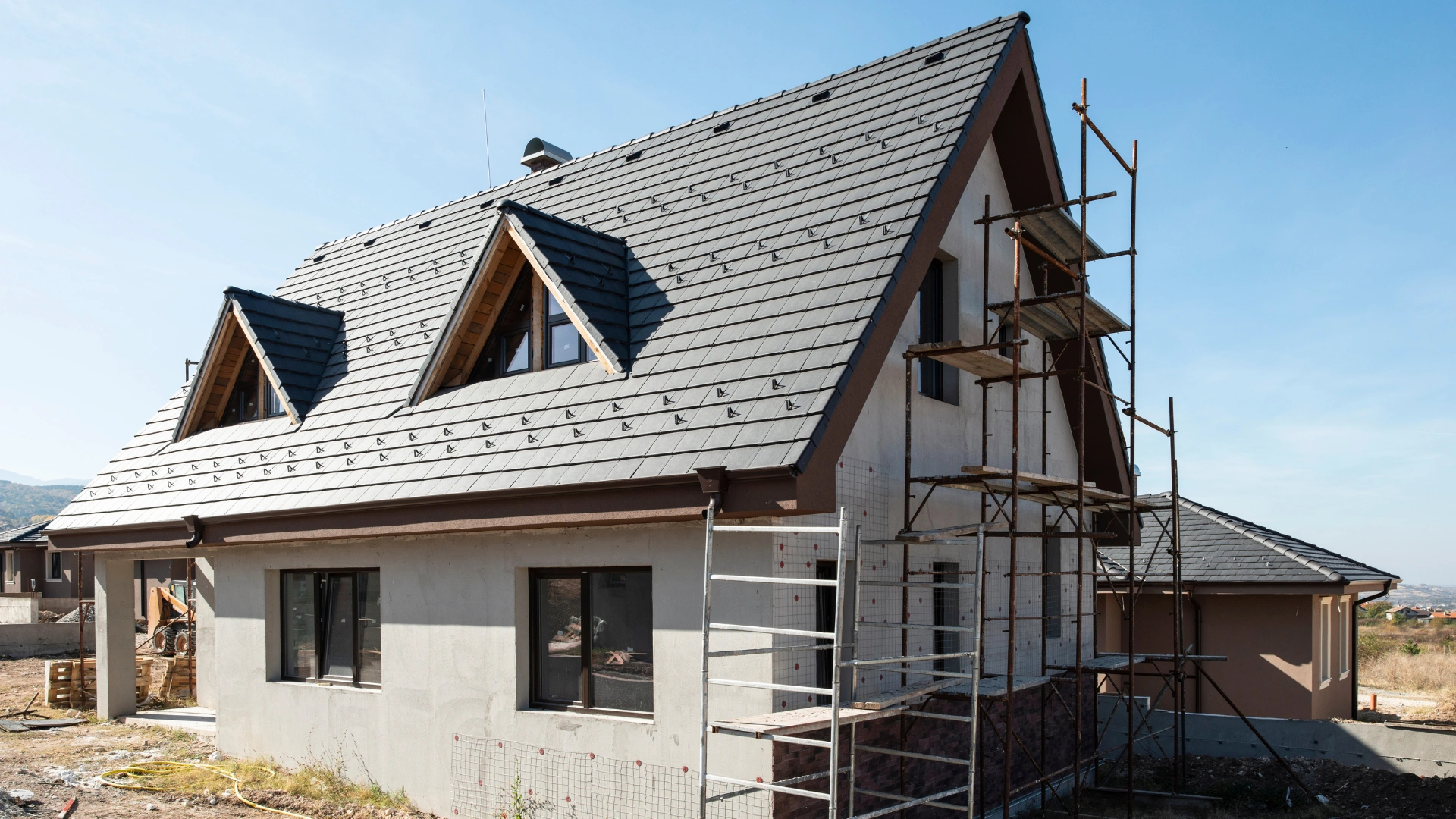
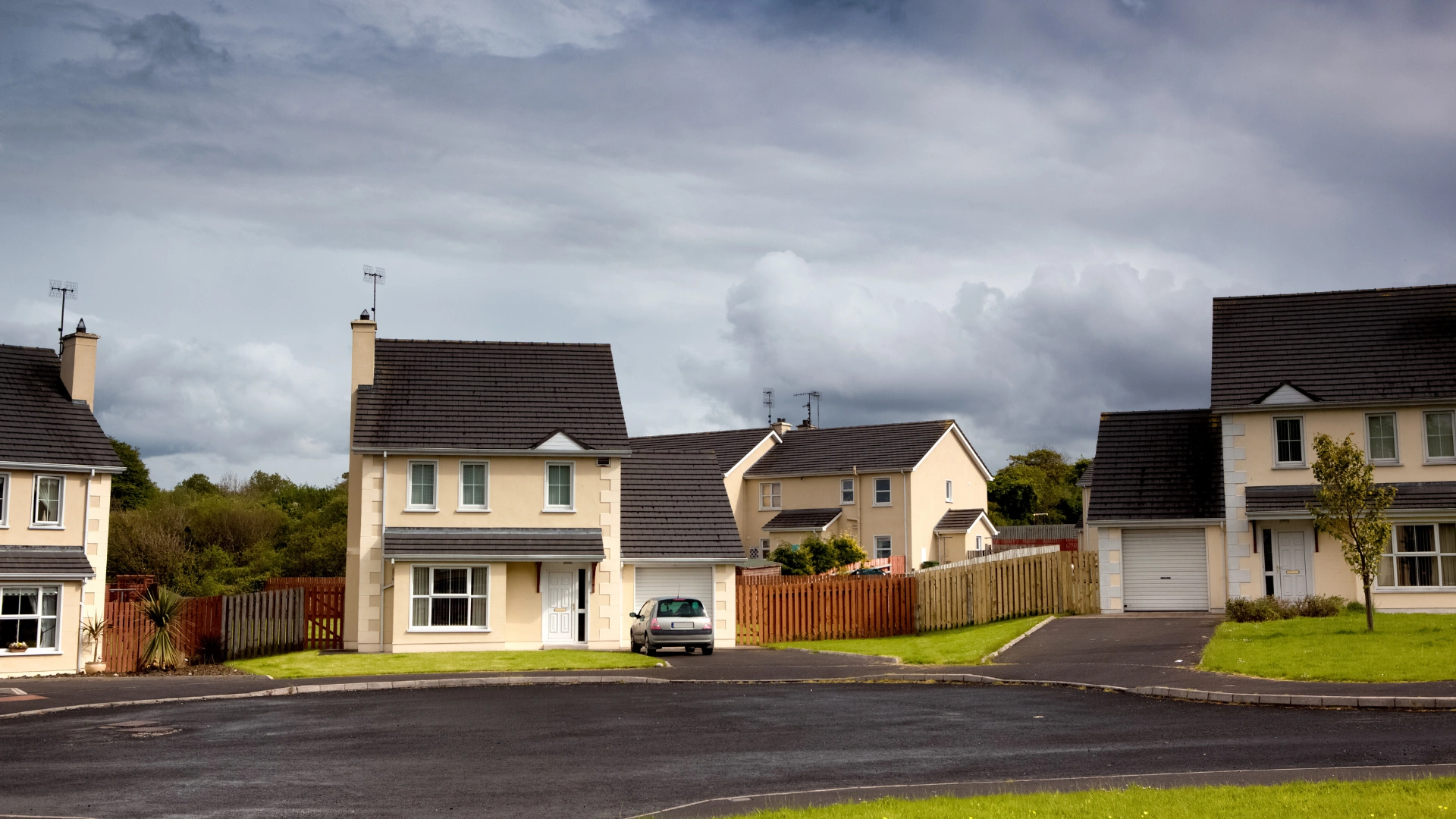
Irish homes are evolving. Kitchens are becoming social hubs, spare rooms are turning into workspaces, and energy upgrades are no longer optional, they’re essential. In 2026, home renovation isn’t just about fixing what’s outdated; it’s about reimagining how your home supports your lifestyle. From clever layout improvements to future-proof energy solutions, the right changes can completely transform how a house feels and functions. Here are 30 renovation ideas designed to inspire smarter, more modern Irish living.
Kitchen & Living Spaces
1. Open-Plan Living
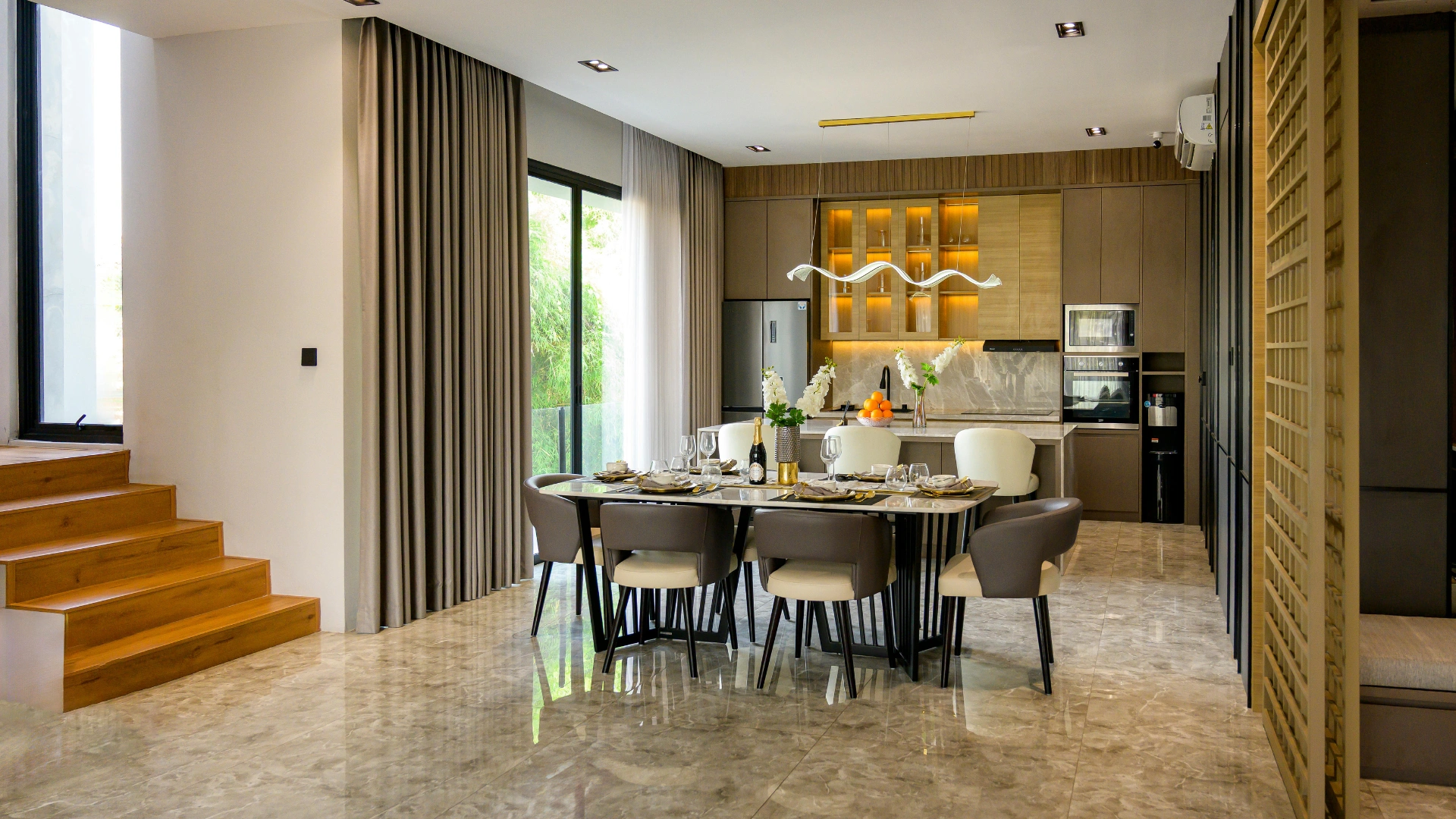
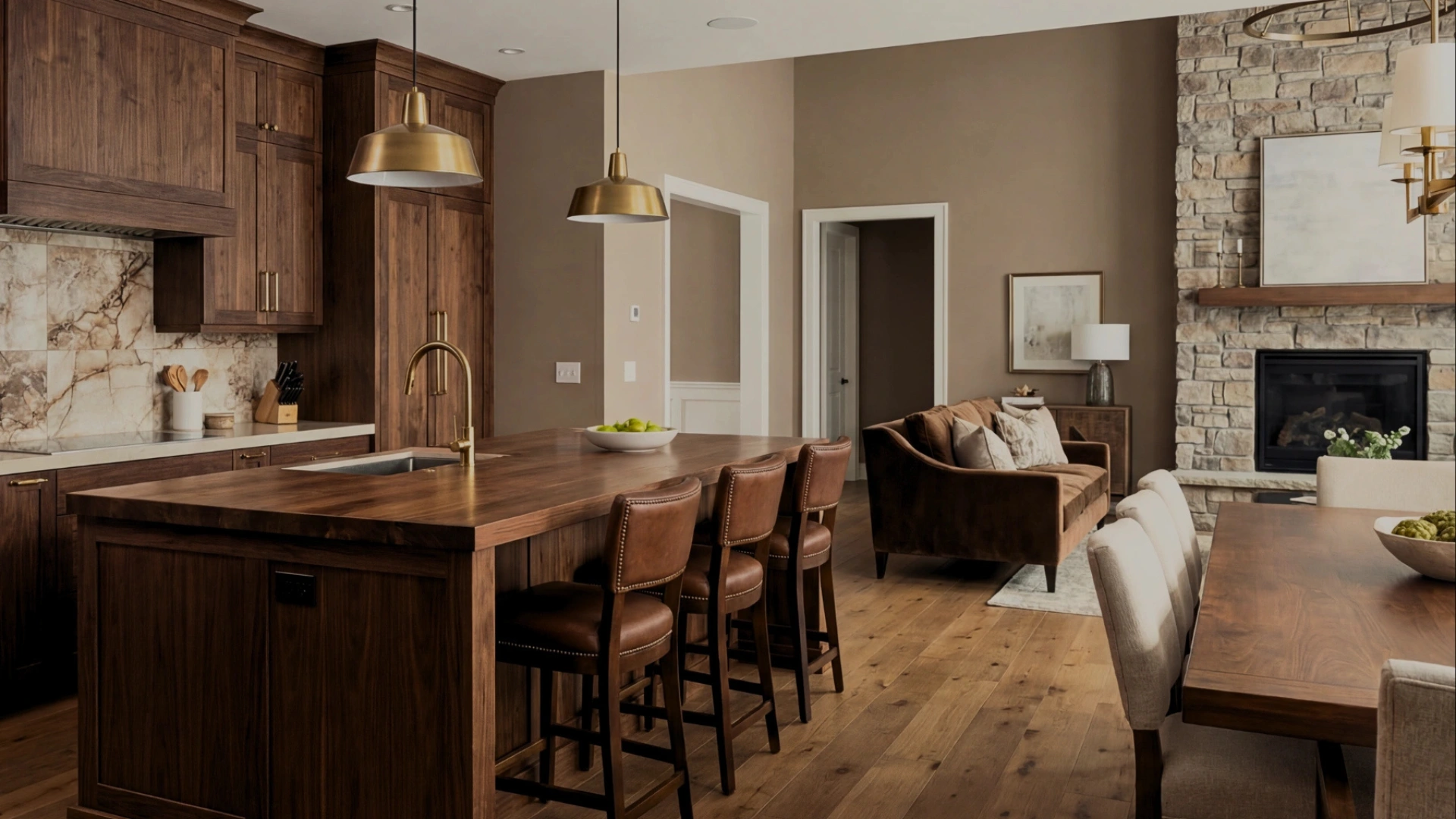
The biggest shift in Irish homes over the last decade has been the move towards open-plan kitchen-dining-living spaces. By removing the wall between your kitchen and dining room, you create a flowing space where families can cook, eat, and relax together. An open-plan layout means larger kitchen islands, better natural light distribution, and flexible furniture arrangements. Whether you’re hosting Sunday lunch or helping with homework whilst dinner cooks, this design makes your kitchen the genuine heart of your home. Most Victorian and Edwardian terraces have load-bearing walls requiring steel beams (€2,000-4,000 installed), but the transformation is dramatic.
2. Kitchen Islands with Storage
A proper kitchen island isn’t just extra worktop – it’s storage, seating, and a social hub. Irish kitchens often lack storage, and islands solve this whilst creating casual dining space. Build in deep drawers for pots and pans, cupboards for small appliances, and consider integrated bins or recycling. A 2-metre island with seating for three costs €3,000-6,000 depending on materials, but it transforms how you use your kitchen. Specify soft-close drawers and adequate electrical sockets – you’ll want to charge phones and use small appliances at the island.
3. Utility Rooms
Irish weather means muddy boots, wet coats, and constant laundry. A dedicated utility room handles the messy reality of family life without cluttering your kitchen. Even a small 2×2 metre space can accommodate a washing machine, tumble dryer, sink, and storage for cleaning supplies. Add hooks for coats, a bench for removing boots, and cupboards for everything from vacuum cleaners to dog food. If you’re extending anyway, carving out utility space is one of the most practical upgrades you’ll make. Budget €8,000-12,000 for a basic utility room including plumbing, tiling, and fitted units.
4. Bifold or Sliding Doors
Connecting your living space to the garden transforms how you use both areas. Bifold or sliding doors create a seamless indoor-outdoor flow that’s brilliant for entertaining and makes smaller rooms feel substantially larger. A 3-metre set of quality bifold doors costs €4,000-7,000 installed, whilst sliding doors start around €3,500. Aluminium frames are low-maintenance and thermally efficient – crucial in Irish weather. Position them facing south or west to maximize natural light and warmth. Just ensure you’ve proper drainage outside; water pooling against doors causes damp issues.
5. Downstairs Toilet
Adding a downstairs toilet improves daily convenience and adds genuine value when selling. Guests don’t trudge upstairs, kids can pop in from the garden, and morning bathroom queues ease. You need just 1.2×0.9 metres minimum, often carved from under-stairs space, a corner of your utility, or a hallway alcove. Costs run €3,500-6,000 including plumbing, tiling, fixtures, and ventilation. Specify a good extractor fan – inadequate ventilation causes condensation and smells in small WCs.
6. Underfloor Heating
Underfloor heating suits Irish homes perfectly. It works efficiently with heat pumps, eliminates radiators freeing up wall space, and provides consistent warmth underfoot. Installation costs €75-100 per square metre in new extensions or when replacing floors anyway. Running costs are lower than radiators when paired with modern insulation and heat pumps. The warmth distribution is superior – no cold spots or radiator-dominated wall layouts. Specify screed depth correctly (65-75mm typically) and ensure proper insulation beneath to prevent heat loss downward.
Bedrooms & Bathrooms
7. Attic Conversions
Irish homes often have unused attic space that can become a bedroom, office, or playroom. A typical attic conversion costs €30,000-50,000 depending on size and finishes, adding 15-25 square metres of living space. You’ll need adequate head height (2.3m minimum in habitable areas), proper fire escape routes, stairs complying with building regulations, and structural reinforcement. Velux windows cost €800-1,500 each installed and transform dark attics into bright, usable rooms. Planning permission is usually required, but exemptions exist if you meet specific criteria.
8. Ensuite Bathrooms
Adding an ensuite to your main bedroom creates a private sanctuary and increases property value substantially. Even a compact 2×1.5 metre ensuite accommodates a shower, toilet, and basin. Budget €8,000-15,000 depending on fittings and finishes. Steal space from an adjacent bedroom, box room, or hot press. Proper ventilation is critical – mechanical extract fans meeting building regulations prevent mould and condensation. Consider rainfall showerheads, heated towel rails, and non-slip porcelain tiles. Ensuite bathrooms are one of the features Dublin buyers actively seek.
9. Freestanding Baths
Freestanding baths create a spa-like feel in Irish bathrooms. Positioned centrally or against a feature wall, they become a design statement whilst providing a proper soaking experience. Quality cast iron or stone resin baths cost €800-2,500, with installation adding €500-1,000. You’ll need floor reinforcement – filled baths are heavy – and waste pipes positioned correctly. Freestanding taps cost €300-800 and require floor or wall-mounted plumbing. Pair with underfloor heating; cold bathroom floors ruin the luxury bath experience.
10. Walk-In Showers
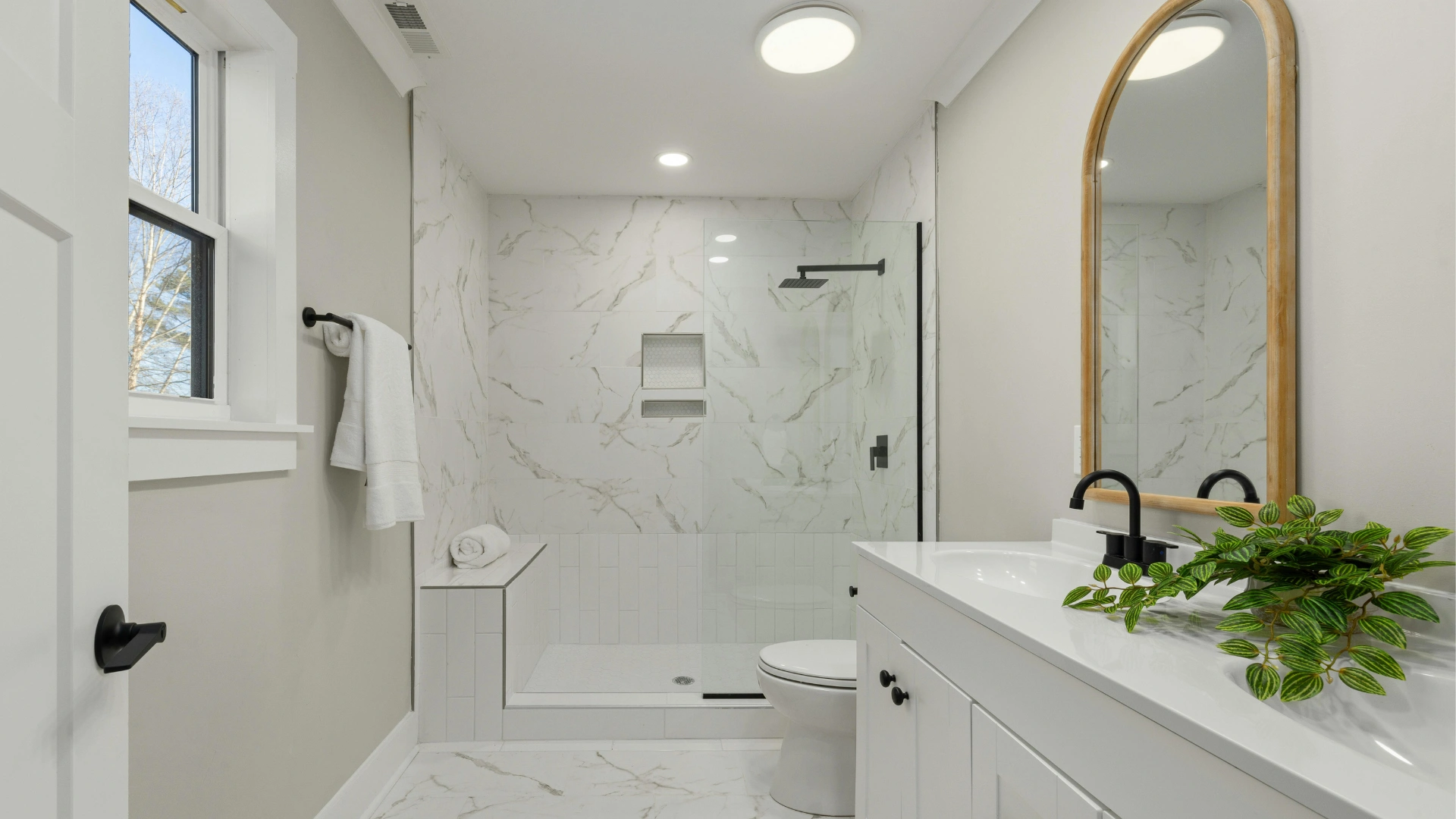
Replacing baths with walk-in showers suits modern living, particularly for older homeowners thinking long-term. Wetroom-style showers with glass screens feel spacious and are easier to clean than shower trays with enclosures. A 1.2×0.9 metre walk-in shower costs €2,500-4,500 installed. Specify proper tanking (waterproofing), adequate drainage gradient, and non-slip tiles. Large-format porcelain tiles (600x600mm or bigger) mean fewer grout lines and easier maintenance. Rainfall showerheads and thermostatic controls add comfort for €200-500 extra.
11. Bedroom Built-In Wardrobes
Freestanding wardrobes waste space and look makeshift. Built-in wardrobes from floor to ceiling maximize storage whilst creating a clean, architectural finish. A 2.4-metre run of fitted wardrobes costs €2,000-4,000 depending on internal fittings and door styles. Specify soft-close doors, internal LED lighting, and a mix of hanging space, shelving, and drawers. Mirrored doors make rooms feel larger – brilliant for smaller Irish bedrooms. Built-ins are particularly valuable in period properties where alcoves beside chimneys are perfect for flush-fitted storage.
12. Dormer Extensions
Bungalows and dormer bungalows across Ireland benefit hugely from dormer extensions. Adding a dormer creates full-height space in previously unusable attic areas, often adding 20-30 square metres. Costs run €40,000-65,000 depending on size and complexity. You’ll typically gain two bedrooms and a bathroom, transforming a three-bed bungalow into a four or five-bed family home. Planning permission is usually required, but the value added substantially exceeds the investment. Specify adequate insulation and proper roof lights – dark dormer bedrooms feel poky.
Energy Efficiency & Comfort
13. External Wall Insulation
Older Irish homes lose massive heat through uninsulated walls. External wall insulation (EWI) wraps your home in insulation, dramatically reducing heat loss and energy bills. Costs run €8,000-15,000 for a typical semi-detached house, and SEAI grants cover up to €8,000. EWI involves fixing rigid insulation boards to external walls, then applying a render finish. Your home becomes warmer, cheaper to heat, and your BER rating improves substantially – crucial for resale value. The main consideration is appearance; EWI changes your home’s external look and requires planning permission in some areas.
14. Heat Pumps
Gas boilers are being phased out, and heat pumps are the future. Air-to-water heat pumps extract heat from outside air and use it to heat your home and water. Installation costs €12,000-18,000, with SEAI grants providing up to €6,500. Running costs are lower than oil or gas once your home is properly insulated. Heat pumps work best with underfloor heating or oversized radiators, so they’re ideal when renovating anyway. Specify a proper hot water cylinder (250-300 litres for families) and ensure your home’s insulation meets modern standards first.
15. Triple-Glazed Windows
Single-glazed sash windows look authentic but hemorrhage heat. Triple-glazed windows cut heat loss by 60-70% compared to single glazing whilst maintaining period character if you specify traditional styles. A typical Victorian terrace might need 12-15 windows costing €12,000-18,000 total. Modern timber or timber-aluminium composite windows replicate traditional profiles whilst providing excellent thermal performance. Your home becomes quieter, warmer, and cheaper to heat. BER ratings improve significantly, and buyers increasingly expect quality windows when viewing properties.
16. Attic Insulation
The simplest, cheapest upgrade with the biggest impact. Proper attic insulation costs €1,500-2,500 for a typical home and SEAI grants cover most of this. You need 300mm of insulation in Irish homes – most older properties have 50-100mm at best. The difference in comfort is immediate; heat stops escaping through your roof and heating bills drop 20-30%. Combine with proper ventilation to prevent condensation. If you’re using your attic for storage, insulate between rafters and add boarding so the insulation remains effective.
17. Airtightness Improvements
Draughty Irish homes waste energy. Sealing gaps around windows, doors, service penetrations, and junctions between building elements dramatically improves comfort and reduces heating costs. Professional airtightness testing costs €300-500 and identifies where heat escapes. Simple fixes like replacing door seals (€50-100 per door), sealing around windows with expanding foam, and adding draught excluders make substantial differences. When renovating, specify proper detailing at all junctions – where walls meet floors, around window reveals, at service penetrations. Airtightness improvements cost little but deliver outsized comfort gains.
Outdoor Spaces
18. Decking or Patio Areas
Irish gardens need low-maintenance outdoor living space. Composite decking costs €80-120 per square metre installed and lasts 25+ years without rotting or requiring treatment. Traditional timber decking is cheaper (€40-70 per square metre) but needs annual maintenance. Porcelain paving creates a contemporary patio; large-format 600x600mm or 900x600mm pavers cost €50-80 per square metre. Add outdoor lighting, built-in seating, and proper drainage. A 20 square metre deck or patio costs €2,000-4,000 and extends your living space outdoors for half the year.
19. Garden Rooms
Self-contained garden rooms create home offices, gyms, or teenage retreats without extending your main house. Insulated garden rooms with electricity and heating cost €15,000-30,000 depending on size and spec. A 4×3 metre room provides proper workspace separated from home distractions. Planning exemptions exist for certain sizes and locations, but check with your local authority. Specify proper foundations, adequate insulation, and quality windows. Garden rooms add usable space whilst maintaining garden openness and avoiding the disruption of house extensions.
20. Landscaping & Planting
Irish gardens often become overgrown jungles or patchy lawns. Professional landscaping transforms outdoor space into genuine extensions of your home. Budget €5,000-12,000 for a complete garden redesign including paving, planting, lawns, and features. Mature trees and shrubs create privacy and structure immediately rather than waiting years for growth. Raised beds, water features, and outdoor lighting add character. Low-maintenance planting suits Irish weather – native plants, ornamental grasses, and evergreen shrubs look good year-round without constant attention.
21. Off-Street Parking
Dublin’s parking restrictions make off-street parking incredibly valuable. Converting front gardens to parking costs €3,000-6,000 including proper drainage, paving, and dropped kerbs. You’ll need planning permission (application fee €80) and must use permeable paving to allow rainwater drainage. Two parking spaces add substantial value – buyers actively seek off-street parking. Specify block paving or gravel over concrete for better aesthetics. Ensure proper drainage to public sewers; surface water running onto footpaths causes problems with the council.
Period Features & Character
22. Restoring Original Floorboards
Victorian and Edwardian homes have beautiful pine floorboards hidden under carpets and lino. Professional sanding and sealing costs €20-30 per square metre and reveals warm, characterful floors. Gaps between boards can be filled, damaged sections replaced, and modern floor-grade varnishes provide durability. Restored floorboards suit period properties perfectly whilst being easier to maintain than carpet. Just ensure adequate insulation beneath if you’re working on ground floors – cold floors ruin the effect. Pair with underfloor heating for maximum comfort.
23. Period Fireplaces
Original fireplaces add character and value to period properties. Stripping paint from cast iron fireplaces costs €200-400 per fireplace and reveals beautiful Victorian detailing. Reinstating removed fireplaces involves sourcing reclaimed originals (€500-2,000 depending on quality) and proper installation. Make chimneys functional again or fit gas or electric fires for convenience without the hassle of solid fuel. Feature fireplaces create focal points in living rooms and bedrooms. Even non-functional fireplaces add architectural interest and suit period property character.
24. Coving & Cornicing
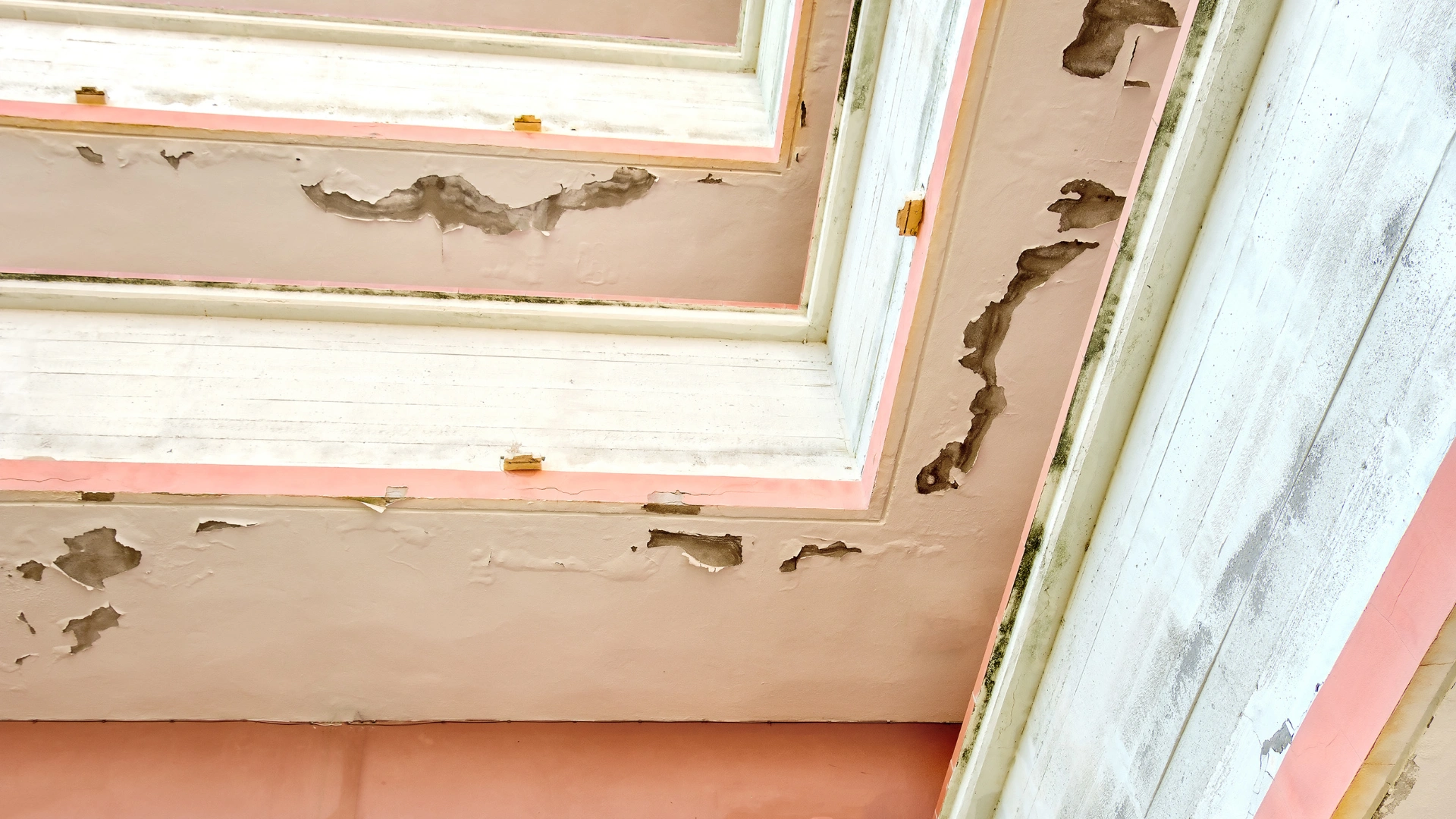
Period homes originally had decorative plaster coving and cornicing. Reinstating these details costs €8-15 per linear metre for standard profiles, fitted. A typical living room might need 18-20 metres of coving (€150-300). Ornate Victorian cornicing costs more but transforms rooms by restoring original proportions and character. Modern alternatives include lightweight polyurethane coving (€5-8 per metre) that mimics plaster convincingly. Coving also hides the junction between walls and ceilings, creating a professional finish when decorating.
25. Sash Window Restoration
Original sash windows can be restored rather than replaced, preserving character whilst improving performance. Professional restoration costs €800-1,500 per window including draught-proofing, new cords, and overhaul of mechanisms. Secondary glazing (€300-500 per window) adds insulation without altering original windows. Restored sashes work smoothly, look authentic, and satisfy conservation requirements. If windows are beyond repair, high-quality replicas cost €1,200-2,000 per window. Period properties in conservation areas often require timber sashes matching original profiles – restoration maintains character and planning compliance.
Finishing Touches
26. LED Lighting Throughout
LED lighting costs more initially but lasts 15-25 years and uses 75% less electricity than traditional bulbs. Recessed downlights (€25-40 each fitted) provide clean, modern lighting whilst spotlights highlight features. Under-cabinet kitchen lighting (€200-400 for a typical kitchen) transforms functionality. Dimmer switches (€40-80 fitted) create atmosphere and extend bulb life. Specify warm white LEDs (2700-3000K) for living areas; bright white (4000K+) suits kitchens and bathrooms. A complete lighting upgrade for a three-bed house costs €1,500-2,500 and genuinely transforms how spaces feel.
27. Ethernet & Data Cabling
Wi-Fi is convenient but wired connections are faster and more reliable. Specifying Cat6 ethernet throughout your home during renovations costs €30-50 per point fitted. Hard-wire home offices, TVs, and gaming areas. Future-proof by running cables to every room even if you don’t need them immediately. Conduits or trunking make later additions easier. Smart home systems also benefit from wired infrastructure – heating controls, security systems, and lighting controllers work better with reliable data connections. This is the time to install cabling; retrofitting after decoration is expensive and messy.
28. Kitchen Splashbacks
Tiled splashbacks protect walls and add character to kitchens. Traditional metro tiles (€30-50 per square metre) suit period properties whilst large-format porcelain or stone tiles (€50-90 per square metre) create contemporary looks. Fitting costs €40-60 per square metre. Glass splashbacks (€150-250 per square metre) offer seamless, easy-clean surfaces in any colour. Feature tiles behind cookers create focal points. Ensure splashbacks extend adequately – 600mm above worktops minimum, and consider full-height splashbacks between units for easier cleaning.
29. Built-In Shelving
Alcoves beside chimneys in Irish period homes are perfect for fitted shelving. Built-in shelves cost €300-600 per alcove depending on complexity and materials. Painted MDF suits traditional homes whilst solid timber or contemporary floating shelves work in modern spaces. Add LED strip lighting behind shelves for display lighting. Built-ins maximize awkward spaces that freestanding furniture can’t use efficiently. Libraries, display areas, and storage become architectural features rather than afterthoughts. Proper carpentry creates flush, professional installations that look like original features.
30. Smart Home Integration
Smart thermostats (€200-300 installed) learn your heating patterns and reduce energy use by 15-20%. Smart lighting controlled via phone or voice costs €30-50 per room. Video doorbells (€150-250) add security and convenience. Smart plugs (€15-25 each) make existing appliances controllable remotely. During renovations, install the wiring infrastructure for smart systems even if you’re not fitting everything immediately. Neutral wires at light switches, adequate power sockets, and central location for smart home hubs make future additions straightforward. Total smart home systems cost €1,500-4,000 depending on complexity.