

Happy Clients: 460+ - Projects: 720+
Builders Dublin for Complete Home Renovations
Clear pricing. Quality workmanship. Without the unnecessary hassle.
Free Quote
460+ Happy homeowners


Complete house transformations tailored to your dreams

Planning a home extension, conversion, or full renovation can feel overwhelming. Finding a builder you can genuinely trust to deliver makes all the difference.
We’ve spent over a decade renovating and improving homes across Dublin, from Victorian terraces in Ranelagh to modern properties in Stillorgan.
We’re fully insured, straightforward about costs, and we take real pride in the quality of our work, because our reputation depends on every single job we do.
460+
CLIENTS
720+
PROJECTS

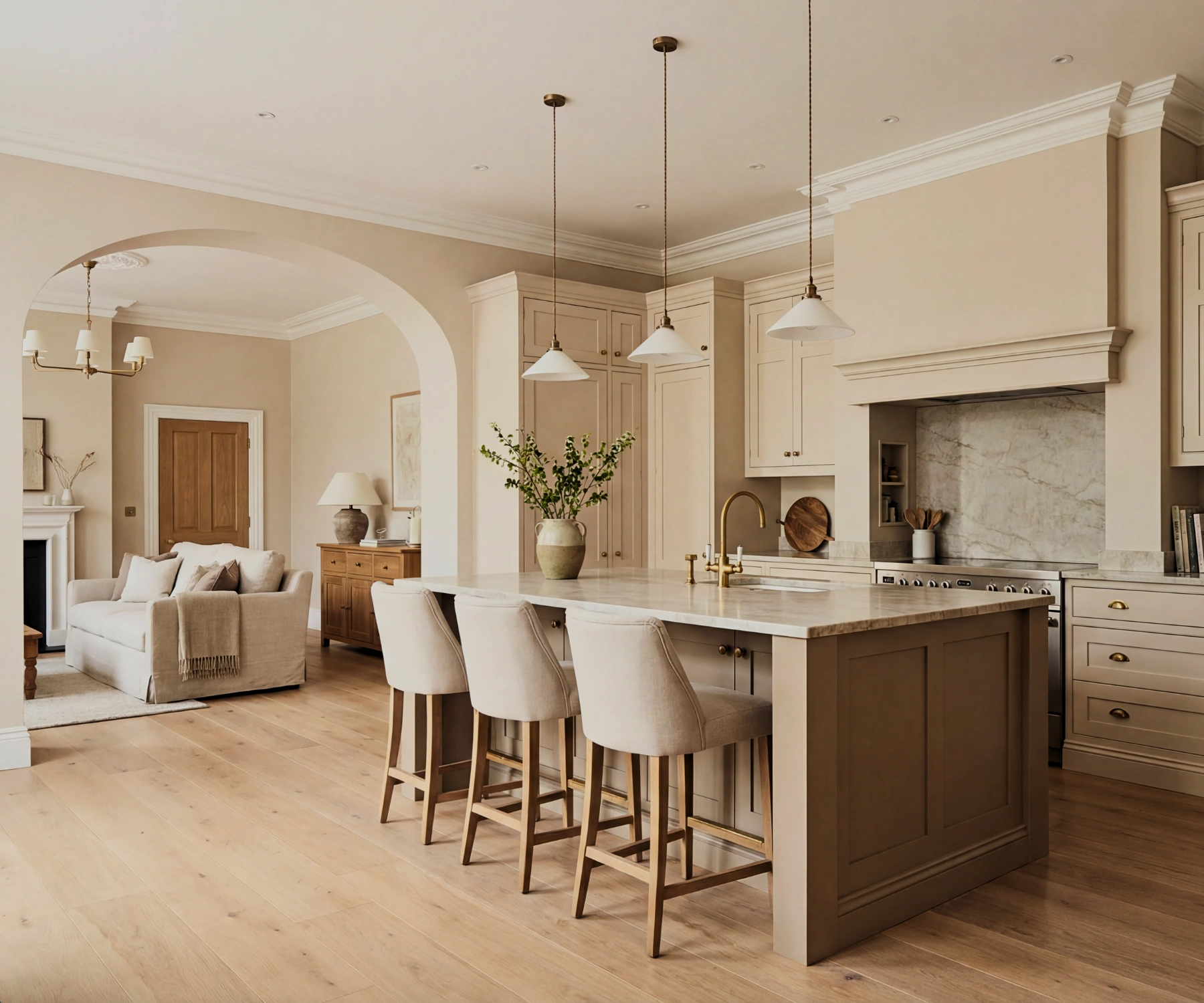


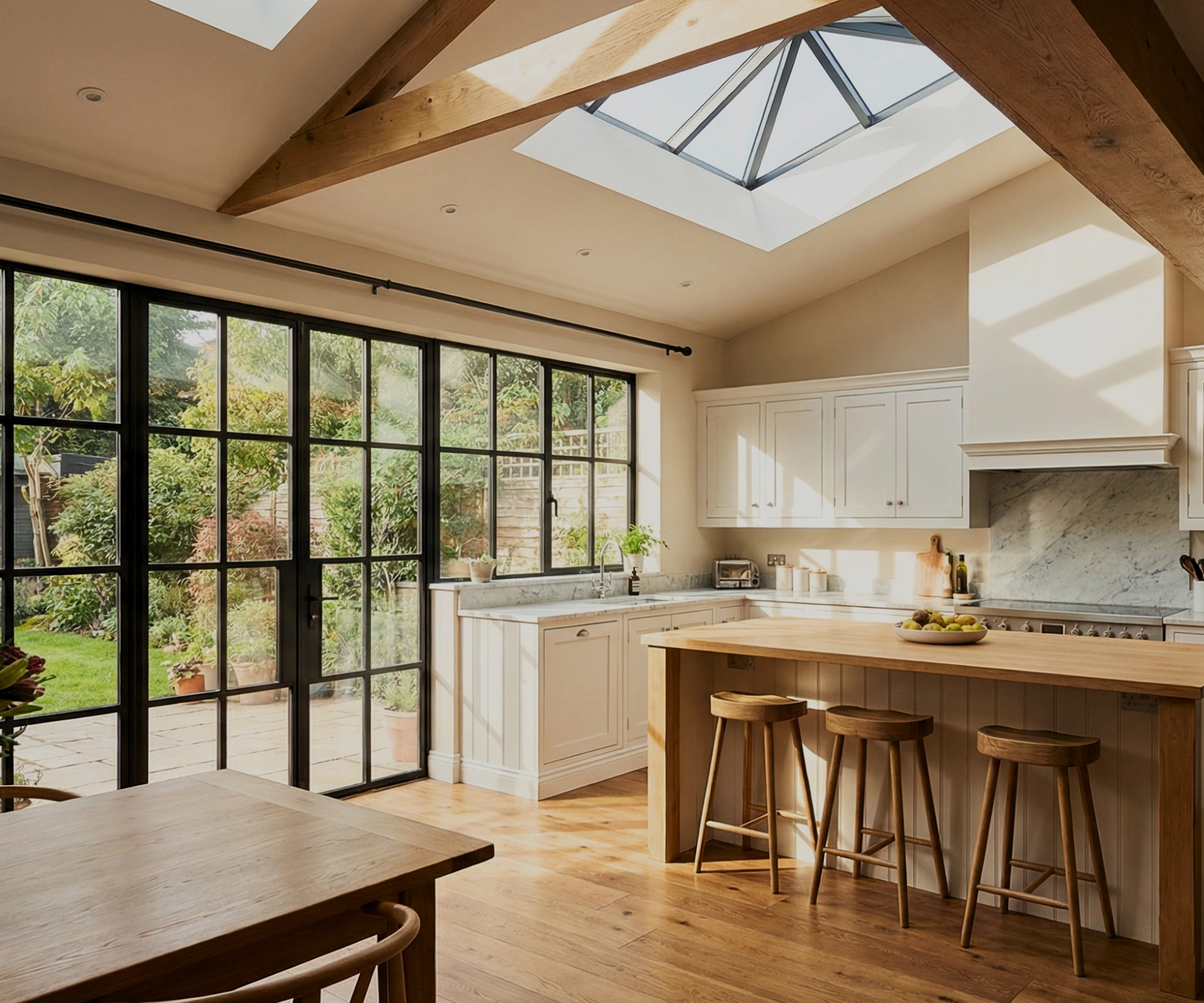

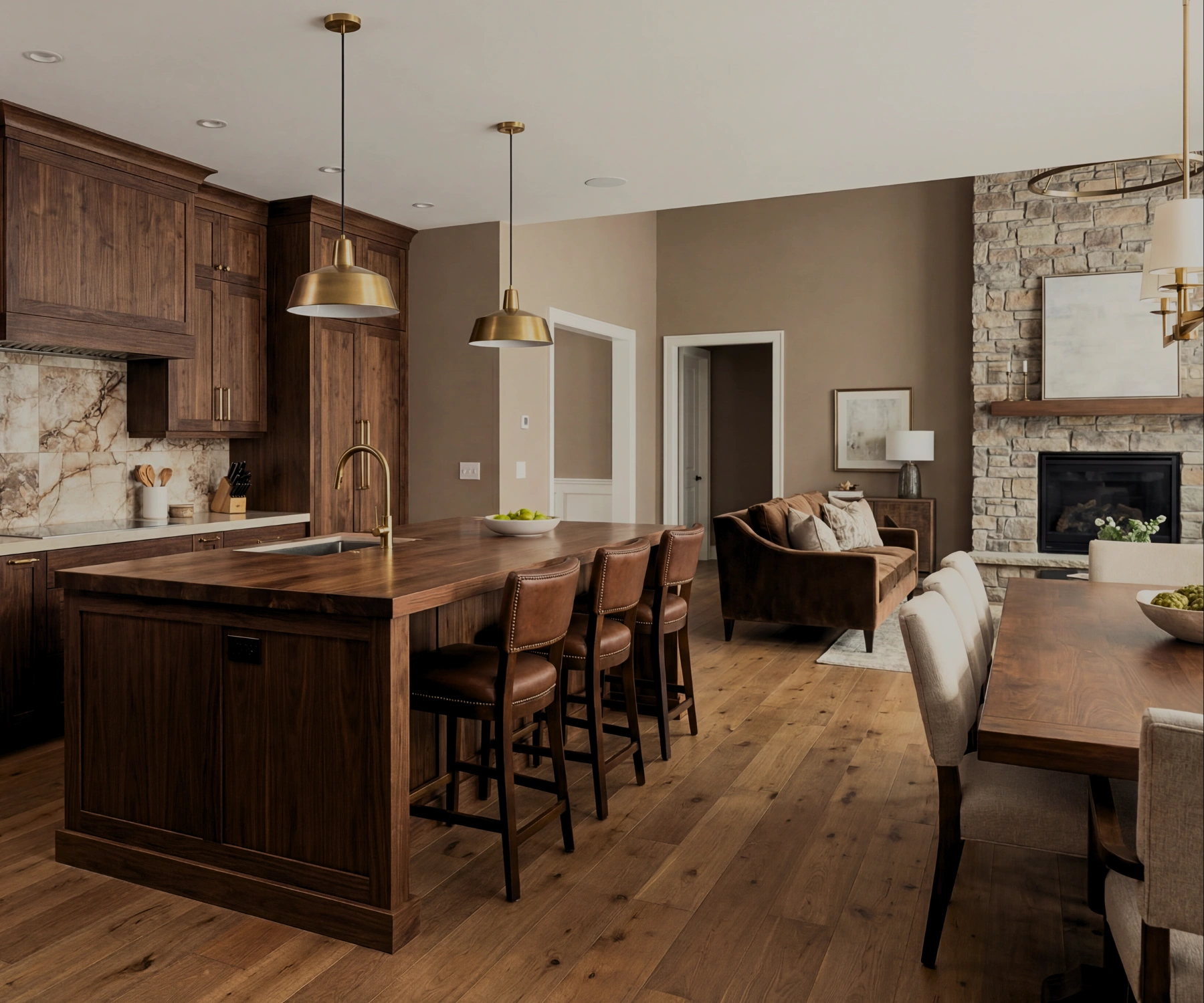
Residential construction services we offer
01
Home renovations
Full house refurbishment from foundation to roof. Transform your home whilst maintaining its character and charm. Complete rewiring, replumbing, and interior finishing.
02
House extensions
Complete extension project management including construction, and interior finishing. We create additional living space that adds genuine value to your home from start to finish.
03
Garage conversions
Convert your unused garage into valuable living space: bedrooms, home offices, gyms, or granny flats. We handle insulation, heating, flooring, and all building regulations compliance throughout.
04
Attic conversions
Transform unused attic space into functional bedrooms, home offices, or playrooms. We handle alterations, stairs, insulation, plumbing, and electrical work.
"We know renovations can feel overwhelming - missed deadlines, unclear costs, and disruption to your daily life. Our structured approach keeps your project on track while delivering quality craftsmanship, so you can enjoy the transformation without the stress."
Why homeowners love working with us for building services.
Customer service
In an industry known for missed calls and vague promises, we pride ourselves on great communication & quick responses.
Liability insurance
We’re fully insured for your peace of mind, protecting your property throughout every stage of renovation.
Superior equipment
We invest in top tier tools and equipment to achieve precise finishes, professional craftsmanship and lasting results.
Dedicated specialists
Each phase of your renovation is led by dedicated specialists who excel in their specific area of expertise.
A building company 

 fuelled by experience, driven by

 highest standard
Process
01
Design & Consultation
We visit your Dublin home to discuss your vision, assess the existing structure, and take accurate measurements. Our team prepares any required drawings, manages planning permission where needed, and ensures full building regulations compliance from the outset.
02
Preparation & Removal
Before any work begins, we prepare and protect your home properly. We install any required groundworks, and put the right foundations in place for the project ahead. We manage all health and safety requirements, and keep a clean, organised site throughout.
03
Building & Management
With preparation complete, our team gets to work. We manage and coordinate all trades on site, including carpenters, plumbers, electricians, roofers, and any specialist contractors required for your project. Regular site updates keep you informed and involved at every stage.
04
Final Inspection & Handover
We take care of all finishing work, plastering, tiling, painting, decorating, and any final fit-out. Once complete, we carry out a full building control sign-off, thorough clean, and a final walkthrough with you to make sure every detail meets the high standard we’ve built our reputation on.
A wee bit about us
Established with a vision to redefine living spaces, we’ve built a reputation as a trusted contractor for home renovations in Dublin. Our unwavering commitment to craftsmanship and detail makes us the first choice for homeowners who value quality and reliability.
Whatsapp chatProjects
See how we transform Irish homes through creative, quality renovations designed around each client’s unique vision.
We make Irish homeowners happy
Overall Rating: 5.0

Fantastic job assembling the wardrobe - it looks sturdy and perfectly aligned. Attention to details.
Appreciate how efficiently you put everything together. Care to follow each step, and the finished wardrobe looks amazing! Great work! The doors open and close smoothly, and everything feels solid.

VJ, Lana and the team did an amazing job painting our hall and living space. They were meticulous in detail, clean, tidy and a dream to work with. They gave fantastic guidance on what would work well, Lana has a brilliant eye when it comes to interiors. They worked incredibly hard from early in the morning until late in the evening. I cannot fault anything, and cannot recommend them highly enough to anyone needing work done.

Max and VJ did an amazing job in our kitchen. I had a timeline to finish the job within a week and they managed it very well. I will highly recommend them to anyone who is looking to add some color and charm to their rooms.

Alex did a great job installing new cabinets in our dining area. Very good communication, excellent problem solving skills, and showed a lot of care for the job at hand. He was highly professional and pleasant throughout the entire job and showed respect for our home. I highly recommend him.

I couldn't be happier with the fantastic job done by Vasilij, Michael, and Daniel! From start to finish, their professionalism, attention to detail, and craftsmanship were absolutely top-notch.
They expertly plastered and painted the walls with a flawless finish that completely refreshed the space. Every corner and surface was treated with care and precision.
Building trust and beautiful homes across Ireland
We offer services focused on tackling all home transformation projects, regardless of their complexity.
- Attic conversion
- Bathroom renovation
- Kitchen restoration
- Kitchen redesign
- Dormer windows
- Pendant lighting
- Energy efficiency
- Extension project
- Home extensions
- Home renovations
- Kitchen extensions
- Living space
- Open plan kitchen
- Flooring
- Painting & decorating
- Rear extension
- Skim plastering
- Refurbishment
- Doors replacement
- Structural alterations
- Granny flats
- Garage conversions
Frequently asked questions
Still have questions about your building needs? Call 01 270 9764 – we’ll be happy to help!
How much does residential construction cost in Dublin?
Residential construction costs in Dublin vary by project scope. House extensions typically range from €35,000 for basic single-storey builds to €100,000+ for two-storey additions. Attic conversions cost €25,000-€65,000 depending on dormer requirements. Complete home renovation ranges from €50,000 to €200,000+ based on property size and specification level. Kitchen extensions average €40,000-€75,000. Costs depend on building size, materials quality, structural complexity, and finishing standards. We provide detailed written quotes after viewing your property and discussing your building project requirements. Every free quote includes transparent pricing with no hidden costs.
Do I need planning permission for building work?
Planning permission requirements in Dublin depend on your building project scope. House extensions over 40m² or exceeding certain height limits require full planning permission from Dublin City Council. Attic conversions with dormer windows typically need permission, whilst roof light conversions may qualify as exempt development. All building work requires building regulations compliance regardless of planning status. Some properties in conservation areas or protected structures face additional restrictions.
How long does a typical building project take?
Typical residential construction timelines in Dublin vary by project type. House extensions complete in 12-16 weeks from site start to final inspection. Attic conversions take 6-8 weeks once planning permission is secured. Complete home renovation requires 12-20 weeks depending on property size and scope. Kitchen extensions typically need 8-10 weeks. Planning permission adds 8-12 weeks before construction begins. We provide realistic timelines during consultation, manage construction schedules efficiently, and complete most projects on time and within budget with minimal disruption to your home.
Can I claim SEAI grants for my building project?
SEAI grants are available for energy efficiency improvements during residential construction in Dublin. You can claim grants for heat pump installation (up to €6,500), wall and attic insulation upgrades, solar panel systems, and BER assessment costs. House extensions and renovations qualify when incorporating these energy efficiency measures. New attic conversions benefit from insulation grants. Kitchen and bathroom renovation projects qualify when adding heat pumps or upgraded heating systems. We assess your property's eligibility, recommend qualifying improvements, design systems meeting SEAI standards, and help complete grant applications to maximise available funding for your building project.
Will I need to move out during construction work?
Whether you need to move out depends on your building project scope and location. House extensions and attic conversions typically allow you to remain in your home with some adjustments to daily routines. We seal off construction areas, maintain dust barriers, and schedule disruptive work strategically. Kitchen extensions require temporary kitchen arrangements for 2-4 weeks. Complete home renovation usually requires alternative accommodation for 8-12 weeks. We discuss living arrangements during planning, minimise disruption where possible, and maintain clean, safe sites throughout construction with attention to detail.
Let’s bring your vision to life
A better home starts with a conversation. Schedule a free call-out today.
Talk to us on Whatsapp